Bringing CIGRE Closer: A Café Where Conversations sparked New Connections
CIGRE Café 2026 at IEEJ by the CIGRE Japan National Committee

Hitachi energy Japan
A new kind of invitation
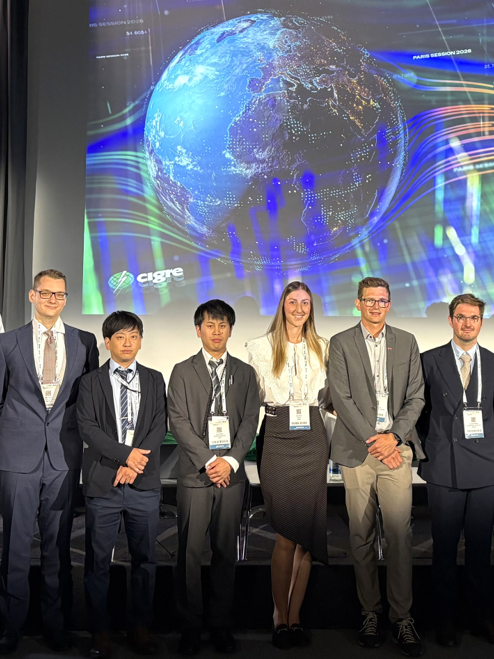
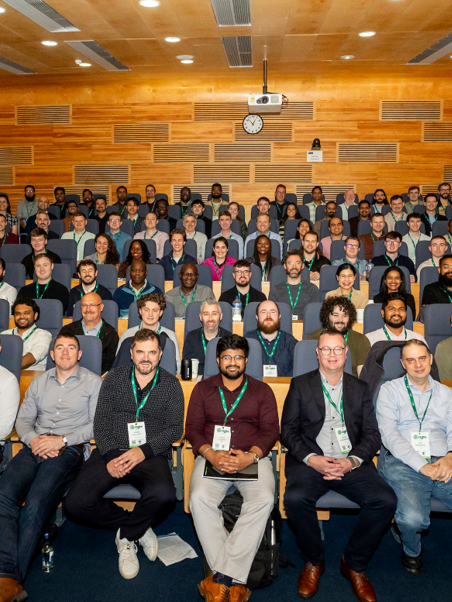
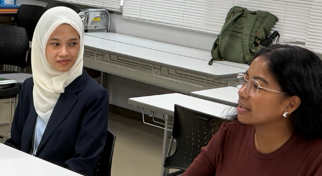
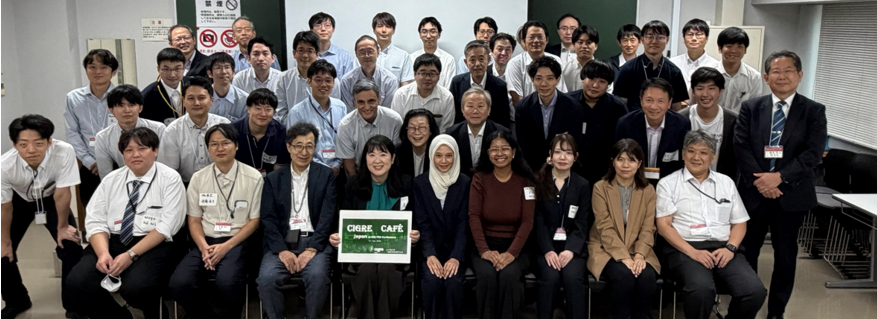
On 17 September 2026, the Japanese National Committee of CIGRE held CIGRE Café 2026 as part of the official programme of the Annual Conference of the Institute of Electrical Engineers of Japan, Power and Energy Society, at Chiba University’s Nishi-Chiba Campus. Approximately 50 participants gathered in seven small groups to talk directly with experienced CIGRE members. Many were attending a CIGRE-related event for the first time, and more than half were part of the Next Generation Network (NGN) generation. The room brought together young engineers, established specialists and participants from fields beyond the traditional power sector.
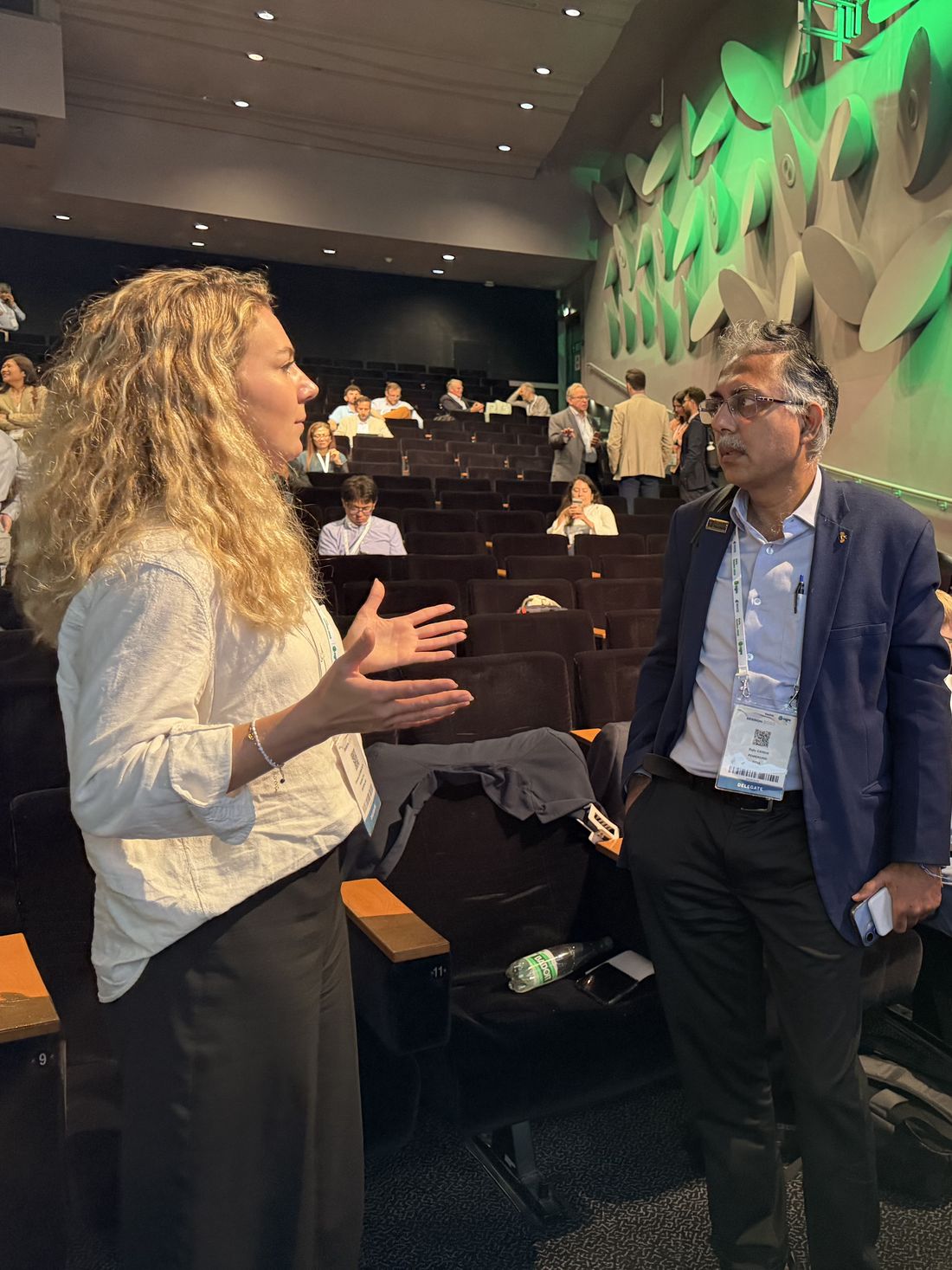
This was not designed as another information session. It was an invitation to experience CIGRE through conversation. After a brief introduction, each group was guided by two experienced and passionate CIGRE members. Instead of a formal lecture, participants could ask candid questions, share their own concerns and explore how their work might connect with CIGRE. From the opening minutes, lively exchanges began around every table. Smiles spread around the tables, laughter could be heard across the room, and conversations flowed naturally, making first-time participants feel welcome at the same level.
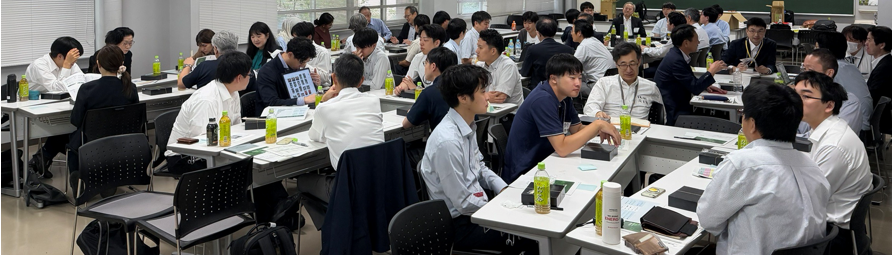
Through these discussions, many participants came to see CIGRE not simply as a venue for papers and conferences, but as a global community where power system professionals exchange perspectives, discuss challenges, and co-create the future of the industry. Experiencing this value through direct dialogue rather than formal presentations was one of the key outcomes of the Café.
Why a café?
The Japanese National Committee has long recognised the need to broaden participation, particularly among younger professionals. At the same time, experienced members know first-hand the distinctive value of CIGRE: taking part in international technical discussions, exchanging practical knowledge through Working Groups, contributing to Technical Brochures and building lasting relationships with colleagues around the world.
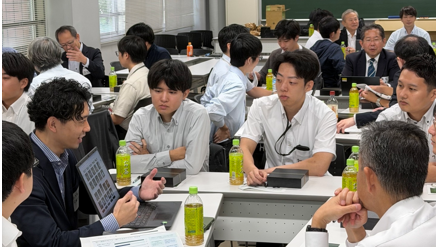
Yet there have been too few opportunities for these members to explain, in their own words, why the experience matters. A one-way presentation can describe CIGRE’s structure, but it cannot fully convey CIGRE as a community of discussion, collaboration and co-creation. Its value becomes tangible when people exchange perspectives, learn from one another and consider the future of power systems together. The café format was therefore chosen deliberately. It placed experienced members and newcomers at the same table, on an equal footing, and allowed curiosity to guide the conversation.
Turning perceived barriers into open questions
The discussions also brought familiar perceived barriers into the open. Some participants had regarded CIGRE mainly as a forum for presenting academic papers, or as a closed community reserved for recognised experts. Others wondered whether international participation demanded exceptional English skills, how to choose a Study Committee, what Working Group activities actually involved, or whether their day-to-day responsibilities were relevant.
The group leaders responded not only with achievements, but also with honest, personal stories. They spoke about feeling nervous at international meetings, struggling to express ideas in English and learning gradually through participation. They also explained why they had continued: the excitement of debating real challenges with peers, the satisfaction of creating knowledge together and the friendships formed across borders. Their enthusiasm was unmistakable, but it was expressed with warmth and humour rather than formality. Participants responded in the same spirit, voicing questions and expectations freely. Differences in company, discipline and years of experience faded as people met simply as engineers interested in solving shared problems.
Feedback after the event reflected this atmosphere. Participants described the café as approachable, as a setting where younger members could speak freely, and as a rare opportunity to connect informally with people from other fields. The small-group format did more than facilitate discussion. It fostered trust, created new connections and gave participants the sense that joining CIGRE could begin with a simple conversation.
Discovering a community connected to everyday work
A central realisation was that CIGRE is far more than a forum for papers. It is an international community in which engineers discuss common problems, share operational experience and develop practical knowledge for the future of power systems. Academic novelty is valuable, but so too are lessons from implementation, case studies and evidence from daily practice.
The topics raised around the tables showed how closely participants’ work already connects with CIGRE. Conversations ranged from the large-scale integration of renewable energy and the use of batteries and hydrogen to electric vehicles and vehicle-to-grid solutions. Participants also discussed artificial intelligence and digital technologies, growing demand from data centres, asset management, resilience and environmental performance. Many realised that the challenges on their desks are not isolated domestic issues. They are global questions already being examined across CIGRE Study Committees and Working Groups.
This realisation changed the tone of the conversation. Instead of asking, “Is CIGRE relevant to me?”, participants began asking, “Where could I contribute?” The connection between practical work in Japan and international technical dialogue became visible in a personal and immediate way.
Networks that carry knowledge across borders
Experienced members also shared how relationships formed through the Paris Session, symposia, colloquia, Working Groups and national activities had later supported technical consultation and information exchange. These networks are not simply collections of business contacts. They are trusted channels through which engineers can compare experiences, test ideas and seek support when new challenges arise.
The presence of participants from the automotive field added another dimension. Their perspectives prompted lively discussion of the One Grid concept and the importance of collaboration across conventional sector boundaries. As different viewpoints met around the tables, participants could see new possibilities emerging through dialogue. This cross-sector exchange illustrates precisely why a diverse CIGRE community matters: complex energy challenges cannot be addressed by one discipline or one country alone.
A first step with lasting potential
Interviews with NGN and Women in Energy participants after the event showed encouraging momentum. Some said that CIGRE had previously seemed distant but now felt interesting and accessible. Others wanted to consider how they might contribute, explore future participation or discuss involvement with their managers. Participants also called for stronger outreach and practical support for young professionals, women engineers and students who have not always had sufficient opportunities to participate.
From Conversation to a Stronger Community
The impact of CIGRE Café 2026 will therefore extend beyond one enjoyable afternoon. The discussion points and feedback from each group will be shared among the group leaders and the Japanese National Committee. As many participants expressed interest in national Study Committee activities, the next priority is to work with the chairs of the Japanese subcommittees to create clearer and more welcoming pathways to participation. In this way, the conversations that began around the café tables can become a first step towards deeper engagement with the CIGRE community.
Power systems are being reshaped by renewable integration, digitalisation, artificial intelligence, electrification and the growing need for resilience. Meeting these challenges requires international knowledge exchange and cooperation. CIGRE offers Japan a platform for sharing its experience with the world, learning from global practice and contributing actively to technical debate and standardisation. By bringing more people into these exchanges, the connections formed through initiatives such as CIGRE Café can help strengthen the community that links Japan with power system professionals around the world.
The smiling, energetic conversations at CIGRE Café 2026 were a modest first step, but they revealed significant potential. By creating space for candid questions, shared experience and enjoyable dialogue, the event brought CIGRE closer to a new generation. Around seven café tables at Chiba University, ideas were exchanged and new connections began to form. What began with simple conversations may become part of a stronger CIGRE community connecting Japan with power system professionals across the world.
Suggested content