CIGRE Energy Forum, Calgary 2026 Final Report
Grid Modernization: Enabling Large-Loads, Advanced Storage, and Smart Technologies for a Secure and Resilient Energy Future

21-24 September 2026
Calgary, Canada
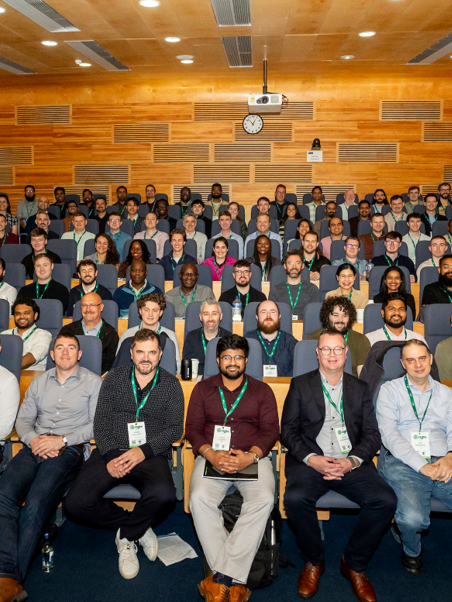
Calgary welcomed power-system professionals from Canada and around the world for the 21st Annual CIGRE Canada Energy Forum. Hosted by AltaLink at the Calgary TELUS Convention Centre, the forum brought together research, operational experience and industry leadership to consider how electricity systems can respond to rapid growth while maintaining reliability, affordability and resilience.
The event in numbers
Forum Theme and Technical Program
The forum focused on grid modernization and the work required to enable large loads, advanced energy storage and smart technologies while maintaining a secure and resilient energy future. Its five areas of special interest were the interconnection of large loads, grid-enhancing techniques and technologies, advanced storage, secure and resilient systems, and distribution management.
More than 300 technical papers were included in the approved pre-event program, with more than 60% authored internationally. Paper sessions drew on the work of CIGRE Study Committees and gave delegates opportunities to examine technical issues in depth while moving across disciplines. Workshops and tutorials addressed power-system oscillations, power-line ratings, artificial intelligence, data centres and technologies that can help utilities make better use of existing infrastructure.
Keynote Conversations – Modernizing the Grid and Planning for Uncertainty
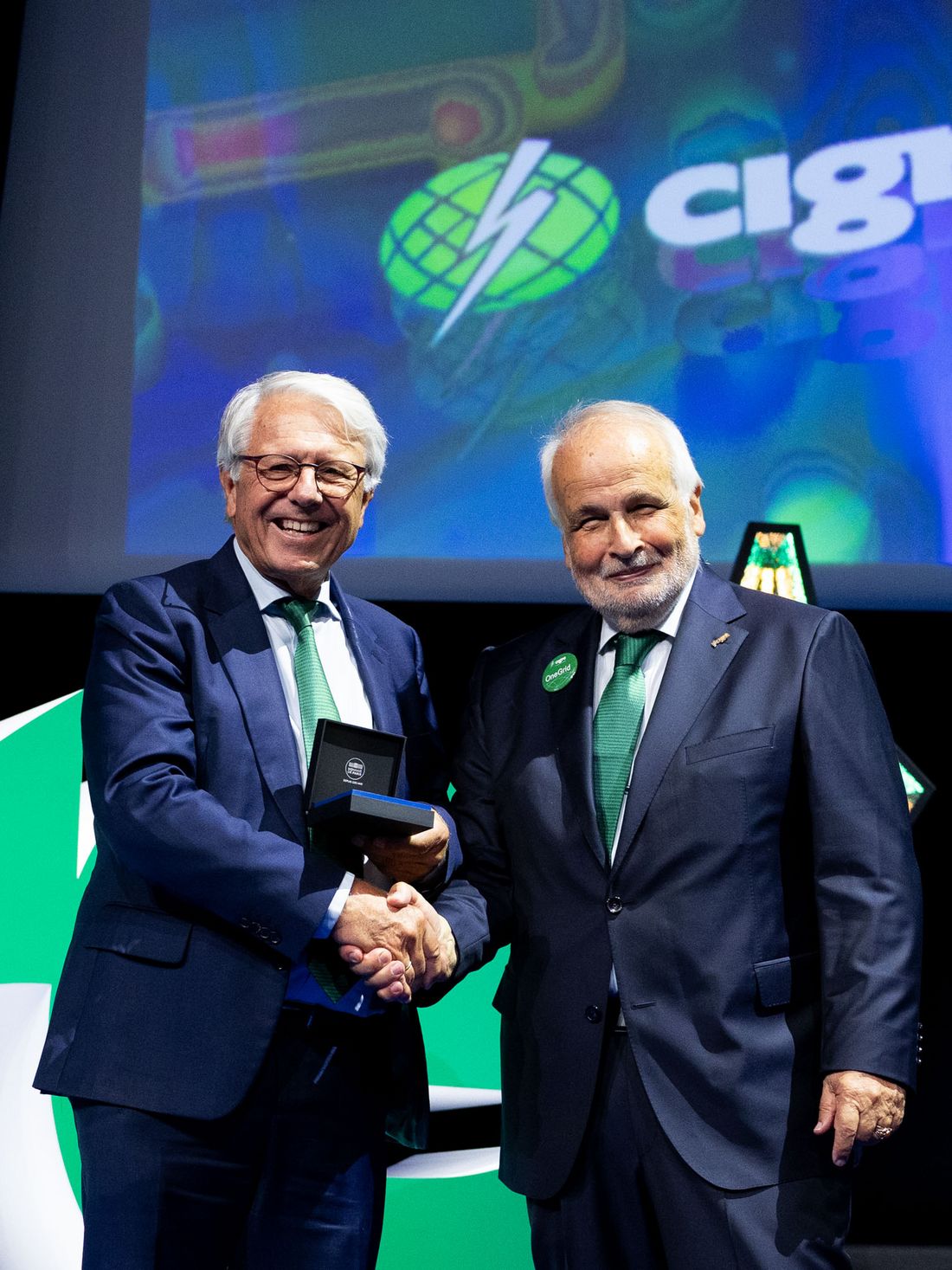
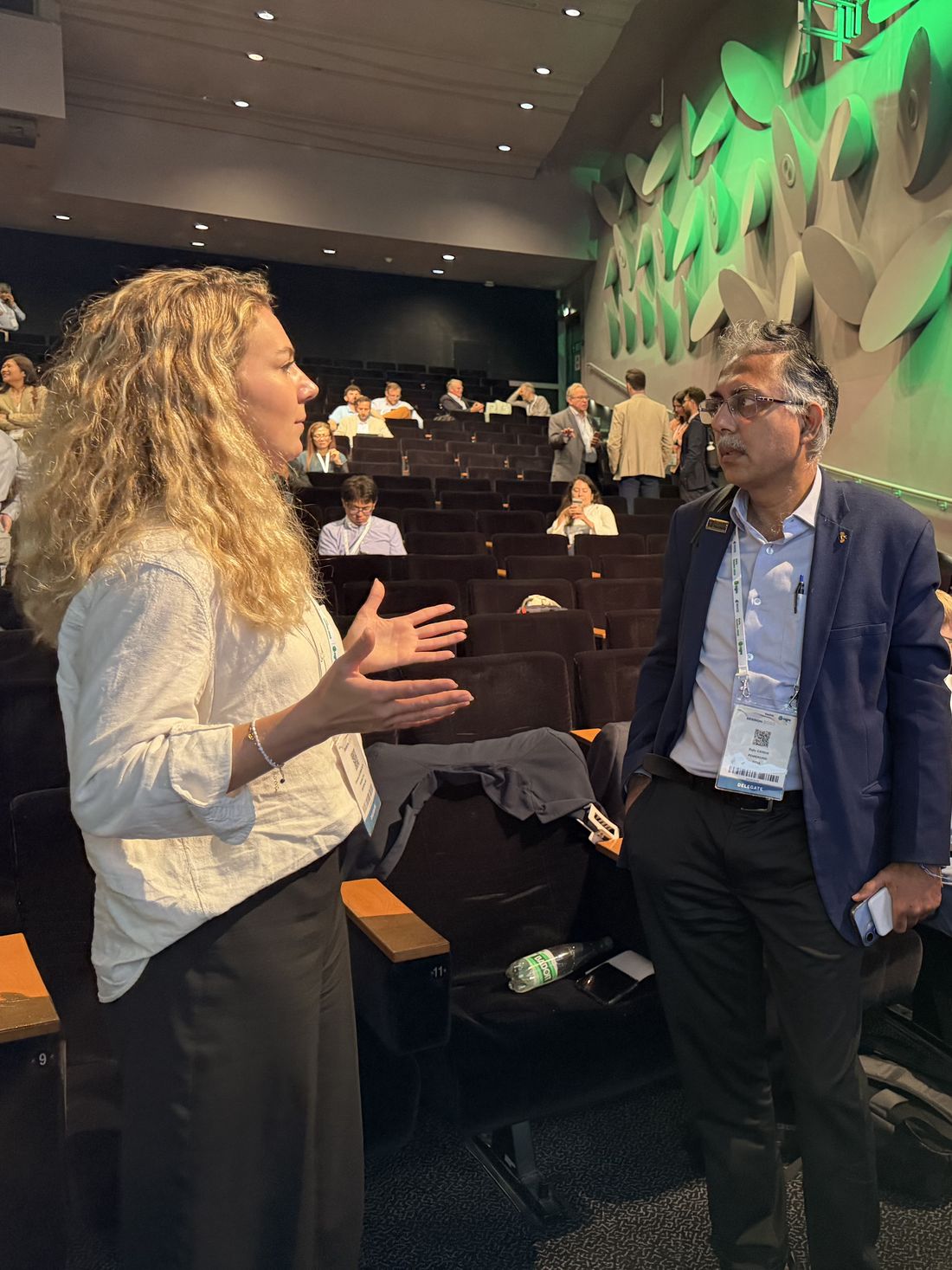
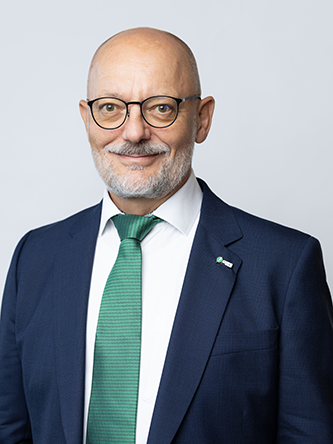
AltaLink President Paul Lee opened the program with a keynote on the changing electricity landscape before joining CIGRE President Konstantin Papailiou for a fireside conversation. Their discussion considered how the industry can respond to growing demand while maintaining reliability and affordability, and why innovation must remain connected to clearly defined system needs. Artificial intelligence illustrated the broader point: emerging tools are most valuable when they solve practical problems rather than being adopted for novelty alone.
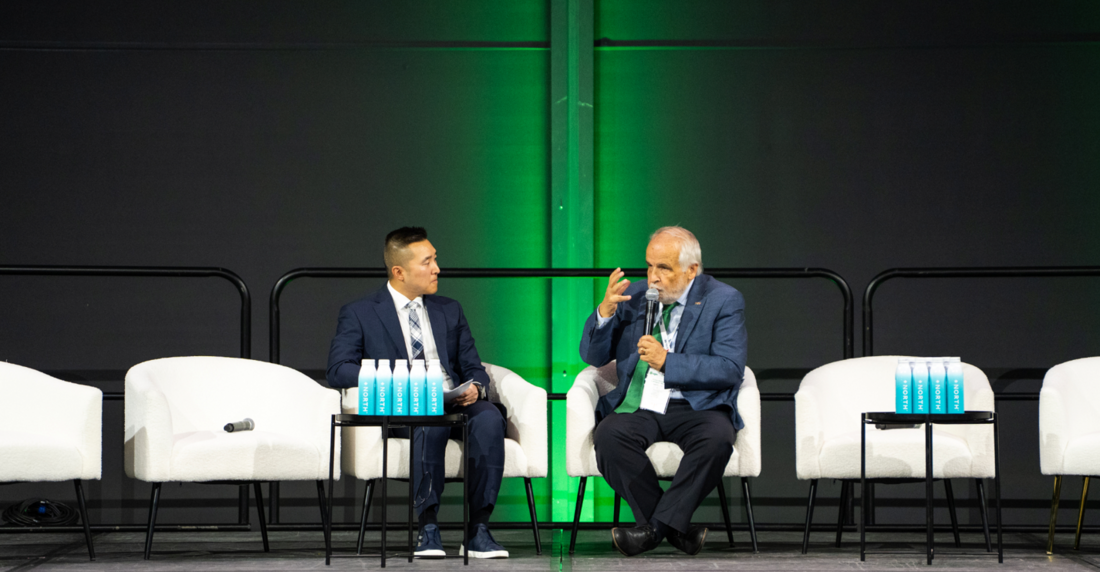
Figure 1 - Keynote fireside conversation. From left: Paul Lee and Konstantin Papailiou
Chuck Farmer, Chief Technology Officer at Ontario’s Independent Electricity System Operator, delivered the second keynote, “Planning for Uncertainty: The Grid We Can’t Forecast Our Way Into,” followed by a fireside conversation with Indy Butany. They examined the difficulty of forecasting major new loads and the need to continually refine planning assumptions. Data centres demonstrated the scale of the challenge, with connection applications in Ontario cited as potentially exceeding 10,000 MW, approximately 40% of the province’s recent peak demand.
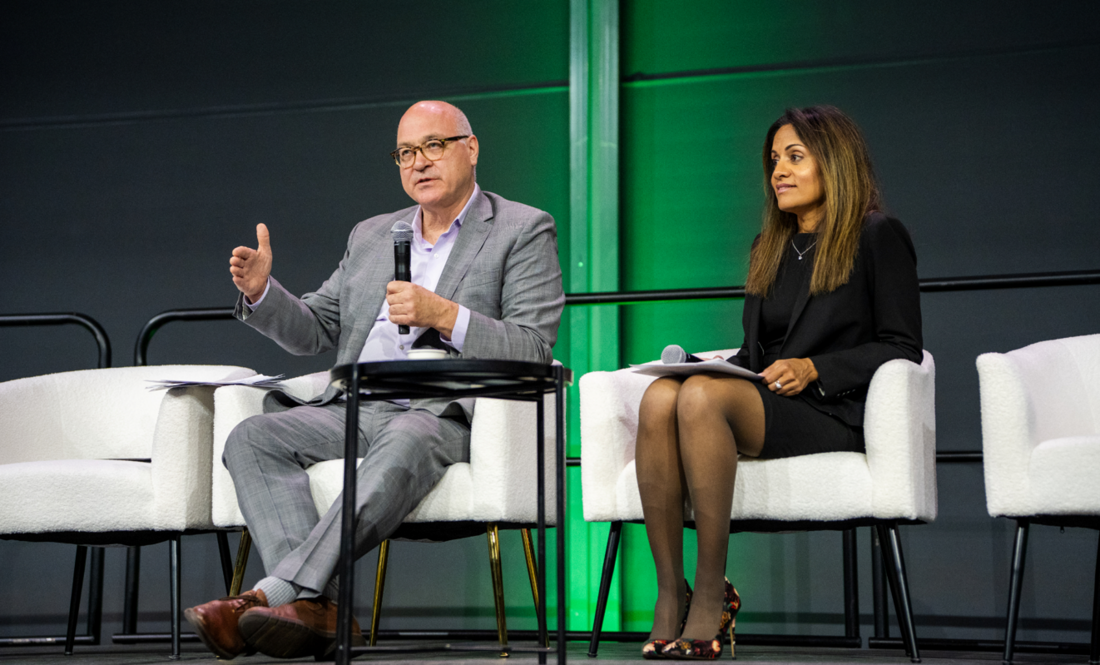
Figure 2 - Keynote fireside conversation. From left: Chuck Farmer and Indy Butany
Business Panel – From Traditional Networks to Adaptive Power Systems
Moderated by Cayla Saby, the Business Panel brought together Indy Butany of Atrium Economics, Puneet Singh of Siemens Canada, Eduardo Gomez Hennig of Siemens Energy and Malvin Naicker of Hitachi Energy.
The panel examined how deployable grid-enhancing and power-system technologies can help existing transmission assets accommodate electrification, large industrial and data-centre loads, and new generation. The discussion was framed around the transition from traditional grid design to more adaptive operation, including technology readiness, manufacturing constraints, integration at scale and better use of existing assets. It also explored the balance between deployment speed, reliability and affordability.
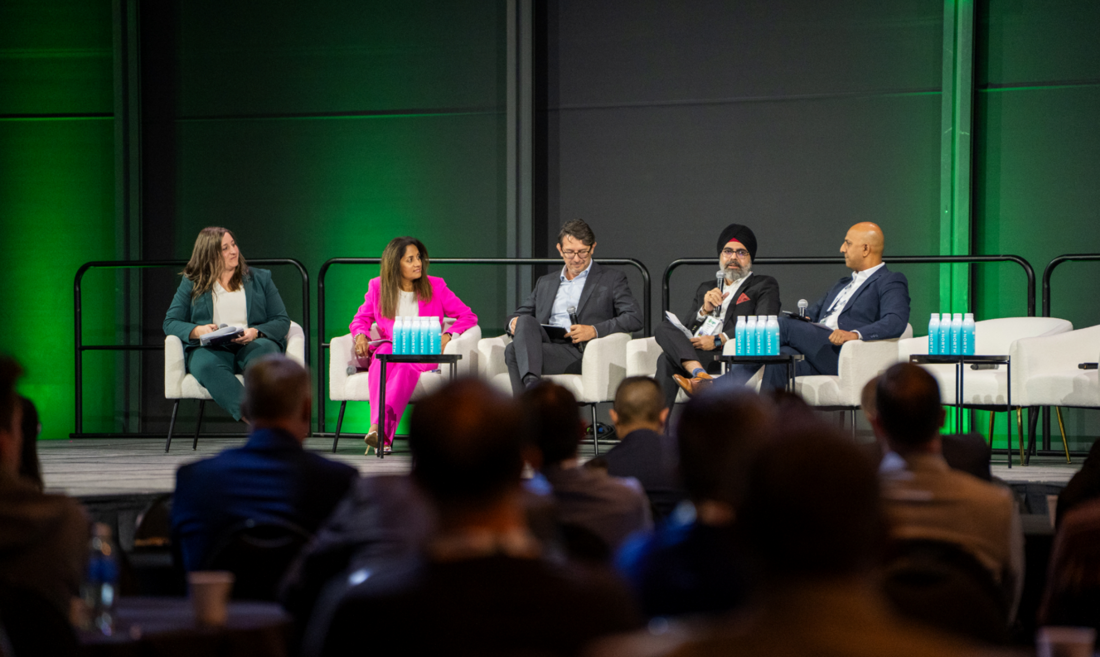
Figure 3 - Business Panel. From left: Cayla Saby, Indy Butany, Eduardo Gomez Hennig, Puneet Singh and Malvin Naicker
Women in Energy Panel – Leading the Power Shift
The Women in Energy Panel, moderated by Carly Duerr of AltaLink, featured Ravi Parhar of ENMAX, Susan Renda of MEPPI, and Sandra Pedro of ABB.
Under the theme “Leading the Power Shift,” the panel explored how rising electricity demand, artificial intelligence, advanced technologies and resilience are reshaping the electricity sector. The conversation considered forecasting and demand planning under uncertainty, alongside the practical value of digital tools and real-time data. It also explored the workforce capabilities needed for AI-enabled utilities, the role of storage alongside traditional investments, and the partnerships required to accelerate grid modernization.
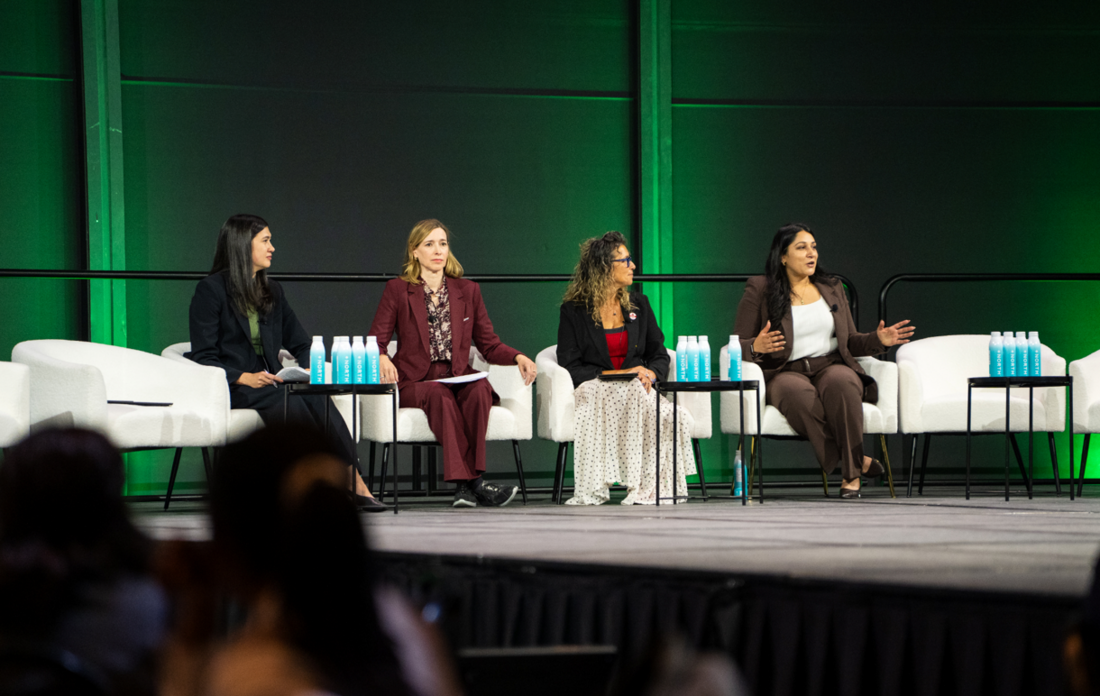
Figure 4 - Women in Energy Panel. From left: Carly Duerr, Susan Renda, Sandra Pedro and Ravi Parhar.
CEO Panel – The Grid Meets the Cloud
AltaLink President Paul Lee moderated the CEO Panel with Jeff Droubay, Charlotte Mitha, Gillian Barnett and David Lane. The panel focused on aligning hyperscale digital demand with power-system reliability, markets and policy.
The discussion addressed industrial-scale digital demand at gigawatt levels and the expectations placed on utilities, system operators, regulators and data-centre developers. Its focus areas included interconnection timelines, shared accountability for reliability, the pace of market and policy change, opportunities for large loads to provide grid benefits, and planning under uncertainty. The panel reinforced that responsible data-centre development requires early coordination and clearer alignment between commercial schedules and the realities of electricity-system planning and delivery.
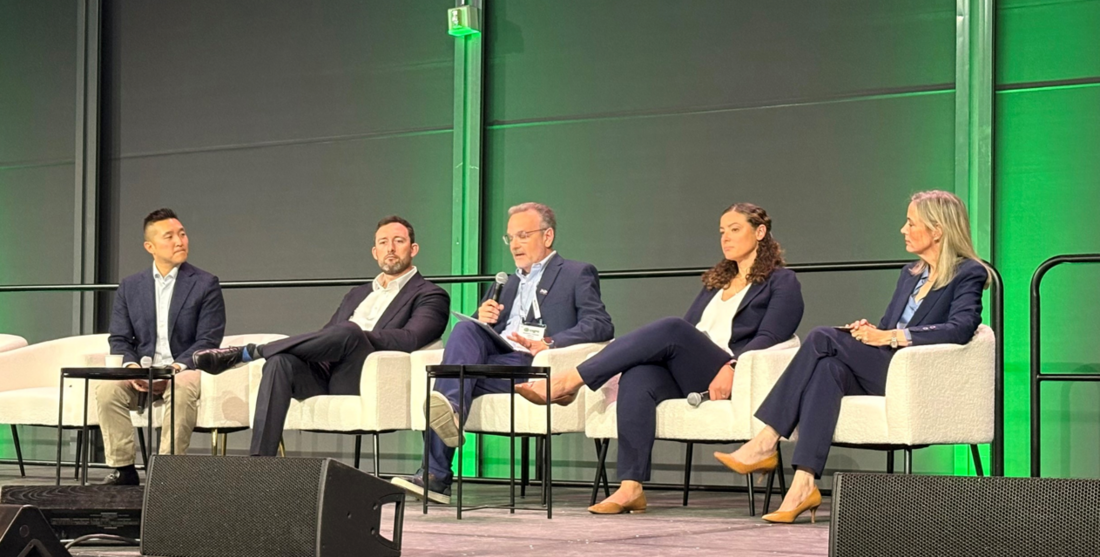
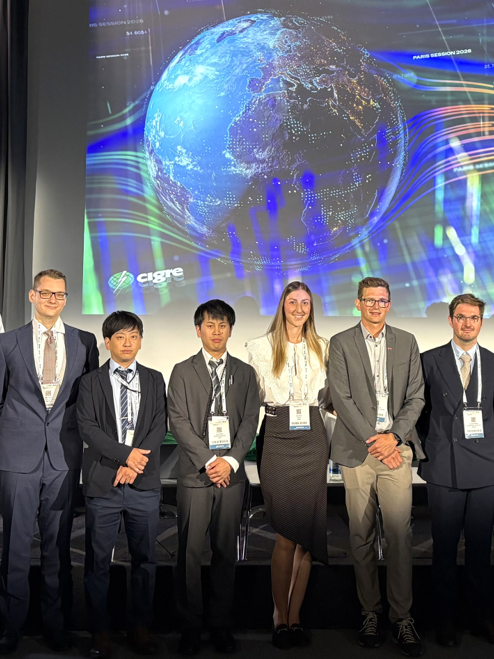
Figure 5 - CEO Panel. From left: Paul Lee, David Lane, Jeff Droubay, Gillian Barnett and Charlotte Mitha.
Next Generation Network Panel – Powering the future
Moderated by Linda Zhao, the Next Generation Network Panel featured Shulamit Philips, Brendan Harris, Zafar Javed and Prem Ranjan. The panel formed part of a broader NGN program that included knowledge-sharing sessions on career development and the role of next-generation professionals in the energy transition.
The session highlighted the value of connecting emerging professionals with experienced industry leaders, creating space for practical career insight and strengthening participation in technical communities. It also reinforced the role of mentorship, knowledge transfer and professional networks as the sector prepares for a period of significant technical and workforce change.
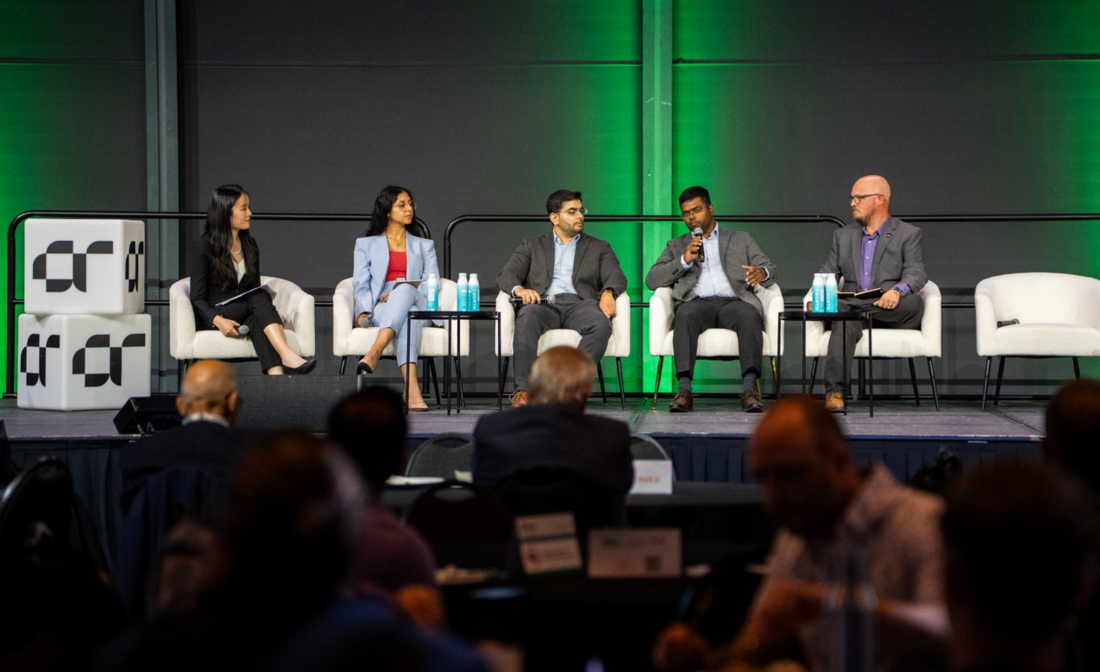
Figure 6 - Next Generation Network Panel. From left: Linda Zhao, Shulamit Philips, Zafar Javed, Prem Ranjan and Brendan Harris
Technology and Innovation Panel – Integrating Inverter-Based Resources
Moderated by Astried Schneider of AltaLink, the Technology and Innovation Panel brought together Dr. Bogdan Kasztenny of SEL, Dr. Deepak Ramasubramanian of EPRI and Rich Bauer of NERC.
The panel examined how rapid growth in inverter-based resources is reshaping power-system planning and operations. Topics included study methodologies and modelling, inverter behaviour during grid disturbances, protection and control implications, and the state of industry standards. The discussion connected emerging requirements with lessons from real-world deployments and considered the practical steps needed for reliable and scalable integration of inverter-based resources.
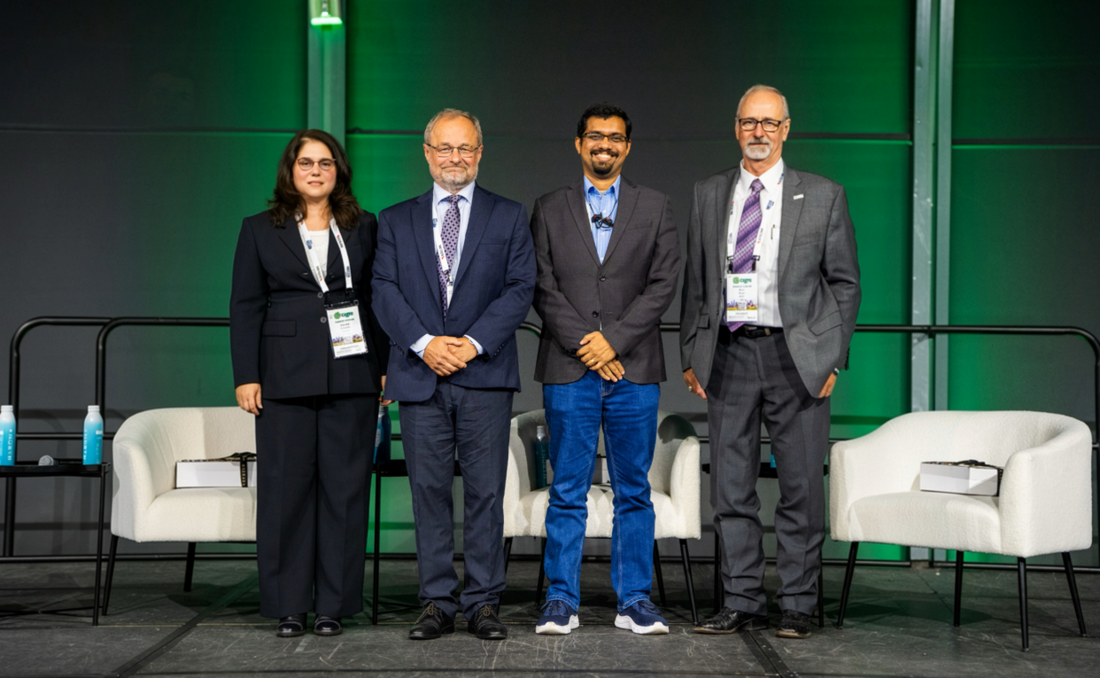
Figure 7 - Technology and Innovation Panel. From left: Astried Schneider, Bogdan Kasztenny, Deepak Ramasubramanian and Rich Bauer.
Technical Tours and Exhibition
Technical tours extended the learning beyond the convention centre. Delegates visited AltaLink’s Crossings HVDC Converter Station, ENMAX Substation No. 1 and its gas-insulated switchgear, and Calgary’s District Energy Centre. The sites offered different perspectives on how transmission, distribution and integrated energy systems support modernization and resilience.
The exhibition allowed delegates to see products and services shaping the future of electricity systems, speak directly with suppliers and continue technical conversations outside the formal program.
International Participation and AltaLink’s Contribution
The forum’s international reach created opportunities to exchange ideas across organizations and disciplines. AltaLink employees contributed as presenters, session chairs, reviewers, organizers and volunteers. More than 60 employees supported technical sessions, tours, logistics, registration, speaker support, exhibitor coordination and other behind-the-scenes activities that helped welcome delegates to Calgary and keep the program running smoothly.
Closing Highlights of the Forum
- Demand growth is changing the scale and uncertainty of electricity-system planning.
- Technology creates the most value when it is applied to a clearly defined system need.
- Grid modernization requires coordination across policy, planning, technology, infrastructure delivery and operations.
- Data-centre growth requires earlier alignment among developers, utilities, system operators and policymakers.
- Workforce development, mentorship and international knowledge-sharing are essential to sustain the energy transition.
The Conversation Continues
The CIGRE Energy Forum demonstrated the value of bringing research, operational knowledge, business leadership and technical expertise together. Although electricity systems differ across regions, many face common pressures, including rapid demand growth, infrastructure constraints, emerging technologies and the need to maintain affordability and reliability.
The conversations in Calgary did not produce a single answer to those challenges. Instead, they created connections and shared understanding that can support better decisions as electricity systems evolve. For AltaLink, hosting the forum was an opportunity to showcase Alberta’s evolving electricity sector and contribute to an international exchange of ideas.
The message from Calgary was clear: meeting the next wave of electricity demand will require the industry to move from isolated solutions toward coordinated action.
Banner & thumbnail credit: Kelly Hofer on Unsplash
Suggested content