Resilience through Connection: Building Europe’s Energy Security through stronger Grids
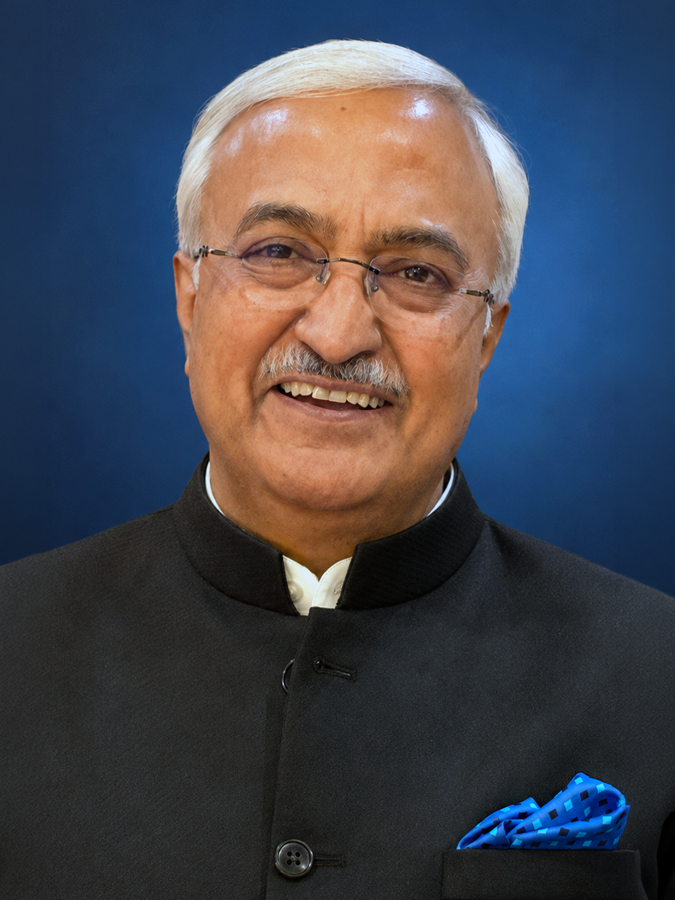
Tim Meyerjürgens, CEO of TenneT Germany, was the invited Keynote Speaker at the Opening Ceremony of the CIGRE Paris Session 2026. With nearly 30 years of experience in the energy sector, he has extensive expertise in power transmission, offshore energy and the integration of renewables. In his keynote address, he shared his perspective on the transformation of Europe’s electricity grids and the challenges ahead for the energy transition.

CEO TenneT Germany
Europe's energy future will be shaped by the choices we make today. This means recognising grids and critical supply chains as strategic assets, creating stable investment conditions, strengthening European integration through cross-border infrastructure, and enabling renewable energy to play its full role in delivering both clean power and system resilience.
Geopolitical tensions, volatile markets, cyber threats and growing concerns about critical infrastructure have shown that energy security cannot be taken for granted. In recent years, Europe's dependence on fossil fuels has left it exposed to external risks, price shocks and strategic pressure. The conclusion is clear: Europe must build a more resilient, secure and independent energy system.
This transformation rests on three pillars: accelerating the expansion of renewable energy, advancing electrification and investing in the infrastructure that connects them. In this new reality, the electricity grid is no longer merely a technical enabler of the energy transition. It has become a strategic asset.
Resilience starts with Preparedness
Electricity grids are the backbone of modern societies. If the power system fails, essential services, communications, transport and industry are affected. Resilience is therefore not only an energy-policy issue. It is a security imperative.
Resilience, in turn, extends far beyond physical protection. It encompasses operational preparedness, cybersecurity, recovery capabilities and the ability to maintain critical functions under pressure. At the same time, cyberattacks, sabotage and emerging technologies such as drones are rapidly reshaping the risk profile of electricity grids across Europe.
Yet threats often evolve faster than legislation and regulation. Operators, authorities and policymakers must therefore continuously strengthen their ability to anticipate, withstand and recover from disruption. The question is no longer whether critical infrastructure might be targeted, but whether systems are prepared to keep operating when disruption occurs.
Crucially, resilience requires investment. Although protective measures create costs today, they provide security and stability for years to come. Regulatory frameworks must recognise such investment as an essential part of Europe’s security architecture.
Building resilience means more than protecting existing infrastructure. It also requires accelerating the development of an energy system that is inherently more independent and less exposed to external risks.
The Role of Interconnection
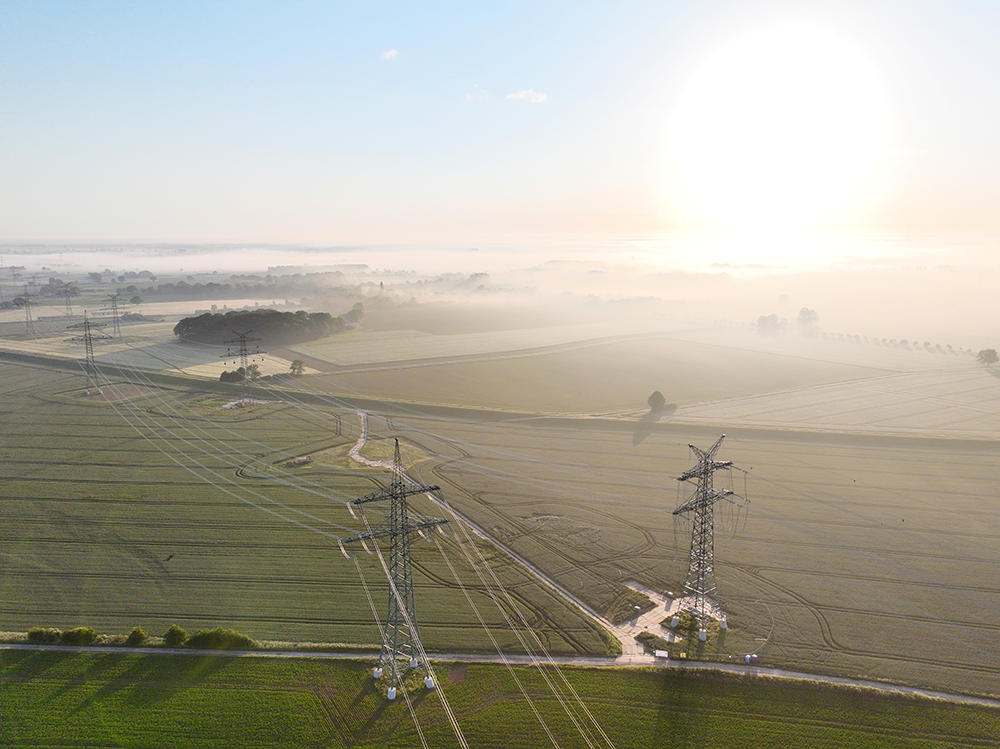
Europe already has one of the world’s strongest examples of successful integration: its interconnected power grid. This network enables countries to support one another during periods of scarcity, balance supply and demand across borders, and provide redundancy when parts of the system come under stress.
Put simply, the stronger the European grid, the more resilient Europe becomes. Its value becomes particularly clear in times of crisis. Cross-border electricity exchange strengthens security of supply and reduces the need for national reserve capacity. Common technical standards and coordinated operations turn individual national networks into a shared European system.
Yet interconnection alone is not enough. Europe must also strengthen resilience at regional level, ensuring that critical infrastructure and strategic regions can maintain essential functions even if parts of the wider system are disrupted.
Europe therefore needs both deeper continental integration and stronger regional preparedness. Resilience today depends not only on how well our systems are connected, but also on how effectively they can withstand disruption and recover from it.
The North Sea: Europe's Powerhouse
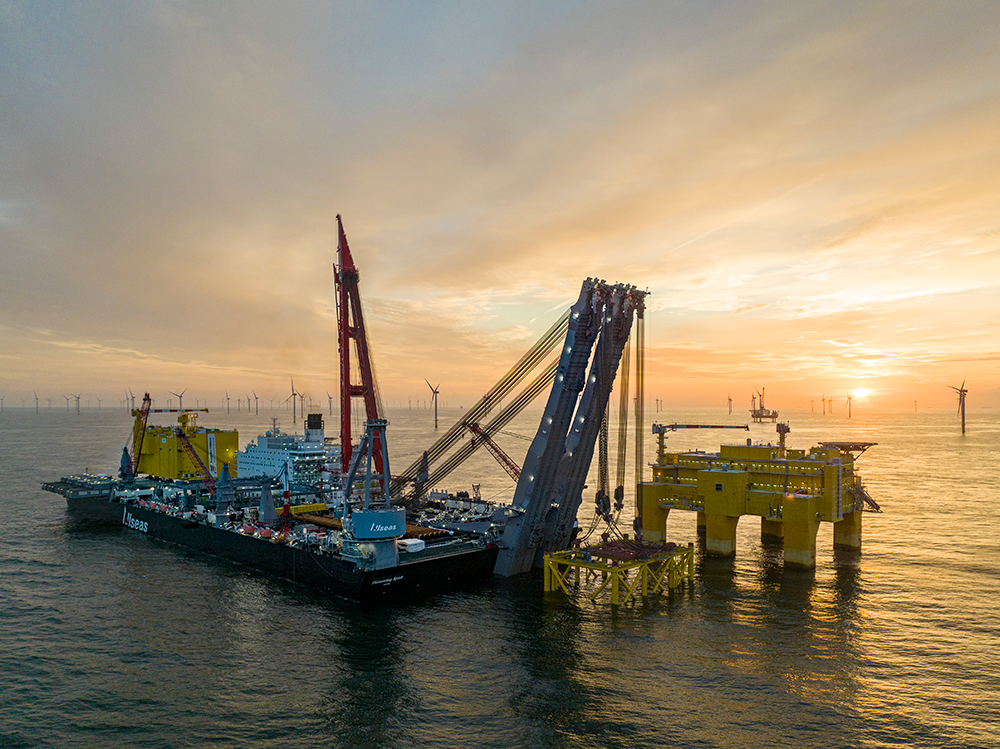
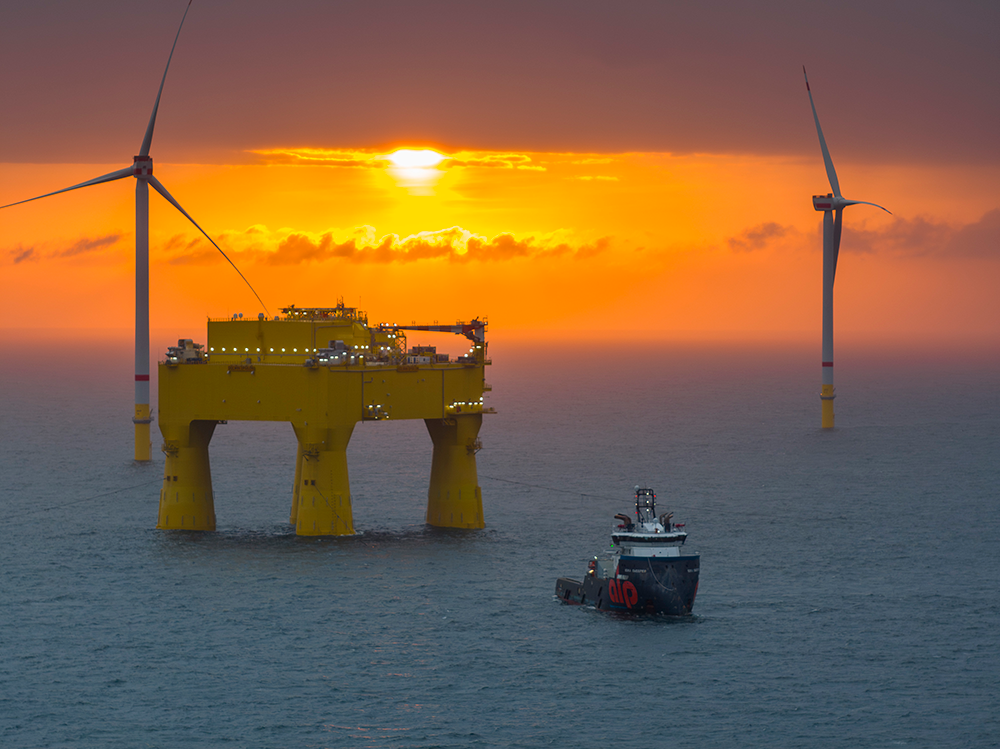
Europe’s energy landscape also presents a significant opportunity: the North Sea. Offering some of the world’s best offshore wind conditions, the North Sea offers Europe a unique chance to foster energy independence, advance climate goals and drive economic growth.
Every additional gigawatt of offshore wind reduces dependence on imported fossil fuels and helps meet growing electricity demand with domestically produced renewable energy. The North Sea’s strategic value therefore extends far beyond clean power generation. It strengthens resilience, competitiveness and security in equal measure.
Unlocking this potential requires a new level of European cooperation, as future offshore infrastructure will become increasingly interconnected. Offshore grids, hybrid interconnectors and coordinated planning will allow renewable electricity to flow where it is needed most while strengthening system resilience.
Projects such as GriffinLink between Germany and the United Kingdom show what this future could look like. By combining offshore development with cross-border interconnection, they strengthen security of supply, improve market efficiency and enhance resilience. The offshore grid of the future will not be national. It will be European.
European Supply-Chain Capacity must be combined with Diversification
Just as electricity grids are the backbone of modern societies, supply chains are the backbone of future infrastructure. Without reliable supply chains, it will not be possible to deliver infrastructure targets at the required scale and pace.
Today, those supply chains are under growing pressure. Geopolitical tensions, constrained manufacturing capacity, trade disputes and rising global demand for grid components are challenging infrastructure delivery worldwide.
The scale of the task ahead is unprecedented. By 2040, more than 80 million kilometres of electricity networks will need to be built or modernised worldwide, while annual investment in grid infrastructure is expected to exceed USD 600 billion by 2030.
Energy security is therefore no longer only about where electricity comes from. It is equally about whether we have the industrial capacity to build the infrastructure needed to deliver it. Critical components such as cables, converters, switchgear and transformers have become strategic assets.
Europe must therefore strengthen it’s supply chains through investing in its domestic industrial capabilities while remaining open to trusted international partnerships. The path to resilience lies neither in isolation nor in dependence, but in strategic diversification.
Standardisation as Europe's Superpower
A resilient supply chain requires more than just manufacturing capacity. It also depends on predictability, scalability, and efficient delivery. This is where standardisation becomes a decisive success factor. Standardisation can streamline delivery, reduce complexity and increase investment certainty across the value chain.
TenneT’s 2GW Program demonstrates what is possible when long-term planning, technical harmonisation and close cooperation with industry come together. Long-term project pipelines give suppliers the predictability they need to invest in manufacturing capacity, innovation and workforce development.
Industry invests where there is visibility and certainty. Europe must create a framework that enables delivery, encourages investment and supports long-term industrial growth. Standardisation may appear to be a technical matter, but it is, in fact, a strategic enabler. It turns fragmentation into scale and ambition into execution.
Renewables must become System Partners
Europe’s energy transition is entering a new phase. For many years, the focus has been on expanding renewable generation capacity. While this remains essential, the next challenge is to enable renewable energy sources to play an active role in operating and stabilising the power system.
In the past, synchronous generators provided many essential system services. As renewable generation continues to grow, renewable technologies and storage systems must increasingly take on these functions.
Grid-forming technologies play a crucial role in this evolution. They enable renewable generation and battery storage to support voltage stability, frequency control and system recovery.
Renewables must therefore evolve from generators into system partners. This technical challenge will require close cooperation among system operators, manufacturers and technology providers. But it is essential if renewable energy is to become the true backbone of tomorrow’s electricity system.
Building Resilience through Cooperation
The challenges Europe is facing are significant, but so are the opportunities.
Europe’s future resilience will depend on its ability to forge connections across countries, technologies, institutions and industries. This is why organisations such as CIGRE are more important than ever. Shared technical standards, knowledge exchange and international collaboration turn individual experience into collective learning.
The next phase of the energy transition will be driven by integrated systems, interoperable technologies, common standards and supply chains that can scale across borders. Resilience is not built through isolation, but through collaboration.
CIGRE plays a unique role in making this possible. By bringing together engineers, researchers, system operators, manufacturers and policymakers, it turns fragmentation into coordination.
In a fragmented world, Europe’s strength will come from stronger connections between countries, systems and people. These connections create a more resilient energy system and, ultimately, more resilient societies.
About the Author

TenneT Germany is the largest transmission system operator in Germany. The company operates critical infrastructure that secures access to a reliable, sustainable and affordable electricity supply. TenneT Germany is one of the largest investors in electricity grids on land and at sea in Germany. Located at the Northwest European energy crossroads, TenneT Germany connects: North and South. Offshore and Onshore. Germany and Europe. With its more than 5,000 employees, the company builds, maintains and operates Germany's largest transmission grid with a length over 14,700 km connecting more than a third of the European Union’s total offshore wind capacity. The connection of the North Sea as one of the world’s largest renewable energy sources plays a central role in this. The company’s growth is driven by a rapidly evolving electricity demand that requires a flexible and growing grid architecture.

Tim Meyerjürgens is Chief Executive Officer of TenneT Germany and is responsible for the strategic development of the company. His responsibilities include long-term network planning, political and regulatory affairs, legal affairs, as well as the Board Office, which oversees executive and management processes. With his experience in grid operations and offshore infrastructure, he plays a key role in shaping the strategic position of TenneT Germany within the European energy system.
Suggested content