Women in Energy Forum 2026 - The Power of Inclusion: the future of energy driven by all
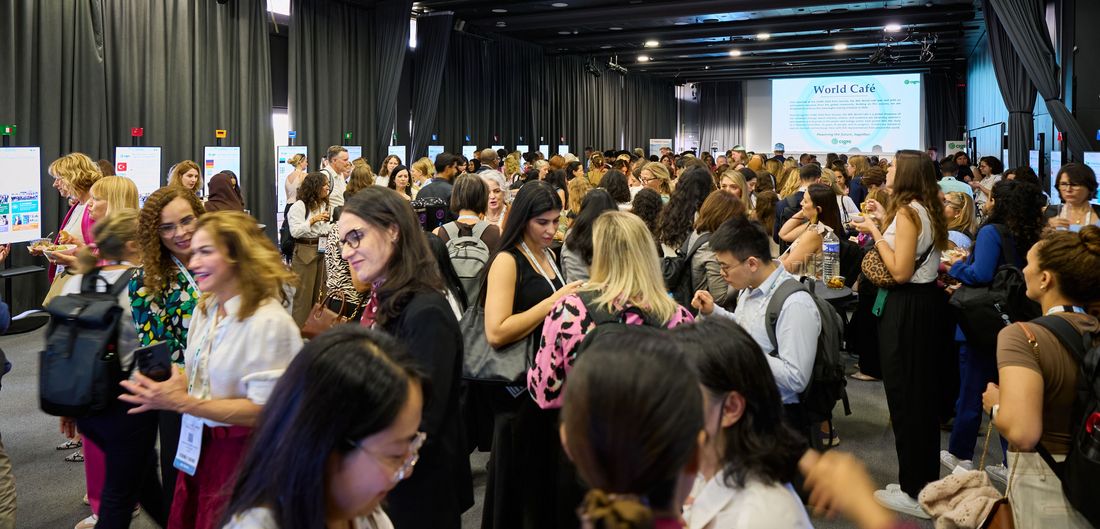
At the 2026 Paris Session, the CIGRE Women in Energy Forum explored how inclusion can help address the growing challenges of the energy transition. Bringing together CIGRE leaders, industry executives and technical experts, the Forum highlighted the value of broader participation in driving innovation, strengthening technical excellence and developing the talent needed for the future of power systems. It also marked a new chapter for Women in Energy, with the transition to its 2026–2030 leadership.

Communication Representative, CIGRE Italy Member of the ELECTRA Editorial Board - CIGRE Women In Energy
Introduction
The energy transition is not only a technological challenge. It is also a human one. As power systems become more interconnected and complex, the ability to bring together different perspectives, experiences and expertise is becoming a strategic asset. This idea was at the heart of the CIGRE Women in Energy Forum at the 2026 Paris Session, held under the theme The Power of Inclusion – The Future of Energy Driven by All. Moving beyond a conventional discussion of diversity, the Forum explored how inclusion can contribute to innovation, business performance, technical excellence and energy security. Bringing together CIGRE leaders, industry executives, technical experts and representatives of the global Women in Energy community, it also marked a significant moment of transition: the close of the 2022–2026 WiE mandate and the beginning of a new chapter for 2026–2030.
From diversity to the power of inclusion
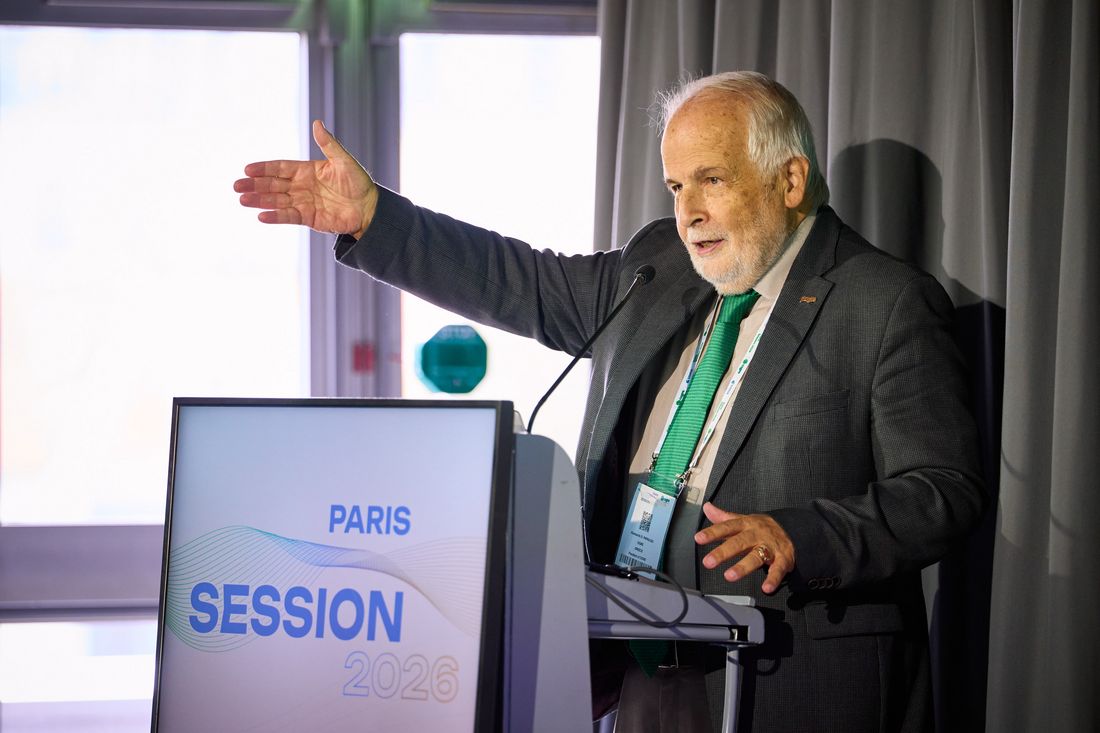
Solange David, Chair of CIGRE Women in Energy for the 2022–2026 term, and Konstantin Papailiou, President of CIGRE, opened the Forum by placing inclusion at the heart of a shared challenge: creating value by bringing people, knowledge and expertise together. Inclusion emerged not as an abstract principle, but as a continuous process, requiring day-to-day attention to people as well as technical activities. David highlighted the importance of uniting efforts and intelligence towards a more balanced energy environment, with women and men working side by side to power a better energy future. The same emphasis on value was central to Papailiou’s remarks. Greater women’s participation, he noted, is not simply a matter of representation, but a way of strengthening the organization through the value women bring. His reflection on powering the future together widened the perspective beyond gender: the power needed to address the challenges ahead is human power, while the essential condition for progress is contained in one word: together.
Inclusion as a business imperative
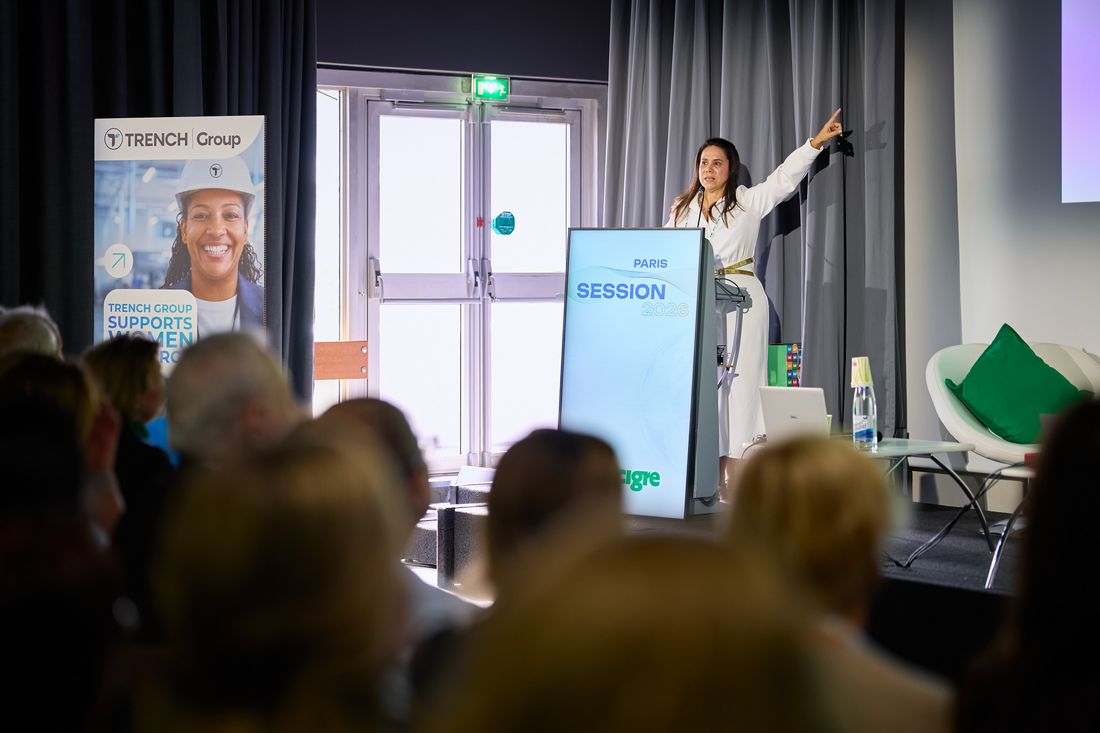
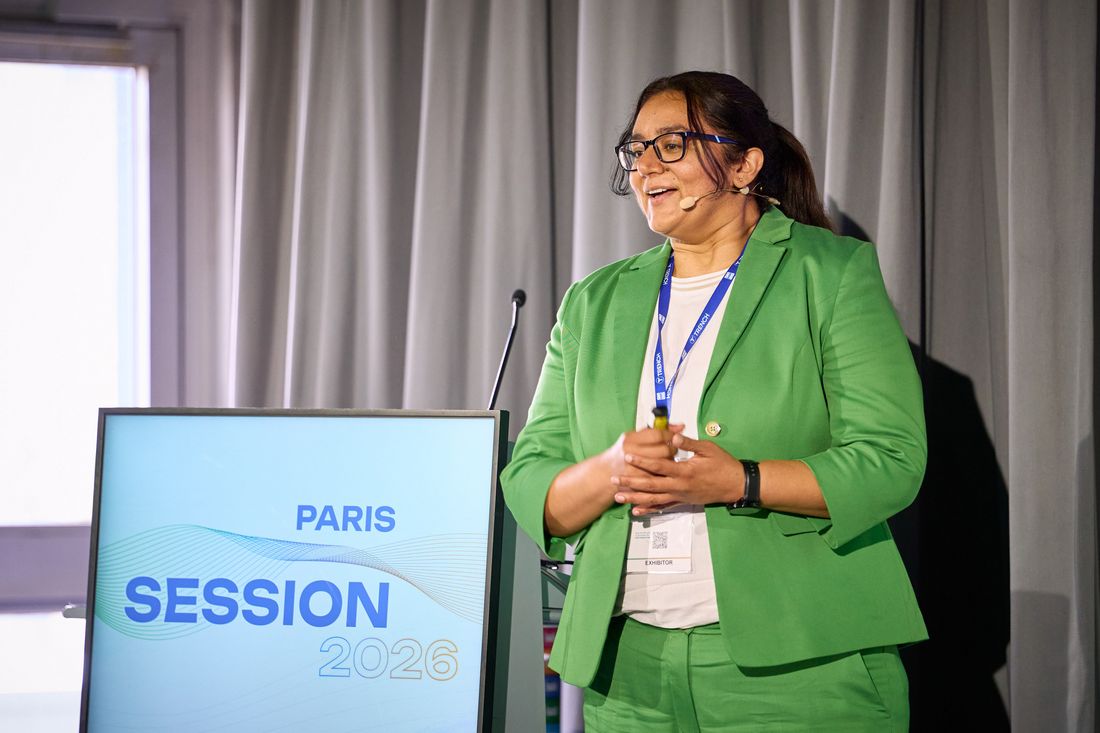
The scale and speed of the energy transformation are making inclusion an increasingly tangible business issue. Ruchira Sheoran, Vice-President of Trench Group, connected the rapid expansion of electricity demand and grid infrastructure with an equally pressing challenge: securing the talent needed to deliver it. As she highlighted, the grid cannot afford to wait for the talent pipeline to catch up. In this context, the under-representation of women becomes more than a question of diversity. With women still accounting for less than a quarter of senior roles across manufacturing - and an even smaller share in heavy electrical equipment - Sheoran described this gap as a capacity constraint for both businesses and the grid. Broadening the talent pool is therefore not simply a matter of inclusion: it is an essential business priority and part of the sector’s ability to deliver the energy transition.
From commitment to participation
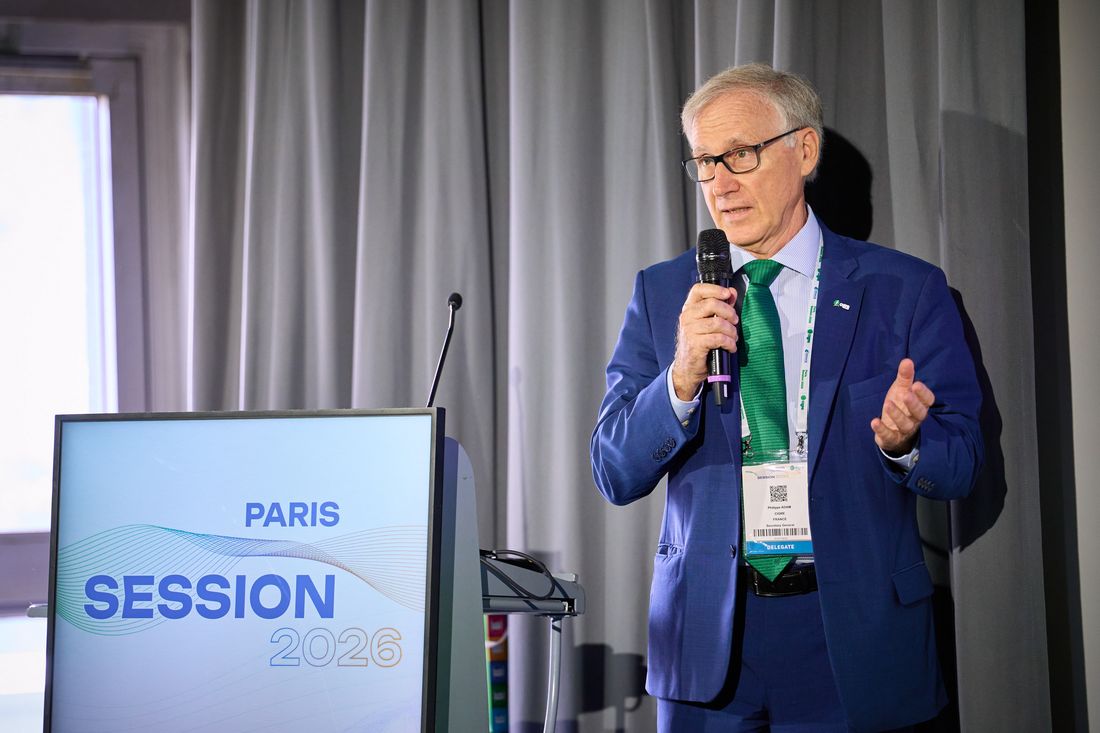
Within CIGRE itself, inclusion is increasingly embedded in the Association’s strategic direction. Philippe Adam, Secretary General of CIGRE, recalled that diversity, equity and inclusion are among the values set out in CIGRE’s Strategic Plan, alongside the ambition to remain a vibrant and inclusive organization and to develop the people and skills needed for the future. The figures presented at the Forum show both progress and the distance still to travel. Women’s share of CIGRE membership has risen from 12% in 2019 to almost 15% in 2026, with stronger representation among younger members. Yet participation is not evenly reflected across the Association’s technical activities: women remain less represented in Working Groups, and only six currently serve as Working Group Convenors. This gap between growing participation and full representation is significant. For a global technical community such as CIGRE, inclusion is not only about widening membership, but about ensuring that diverse expertise increasingly contributes to the places where knowledge is developed, technical priorities are shaped and leadership is exercised.
Inclusion where technical knowledge is built
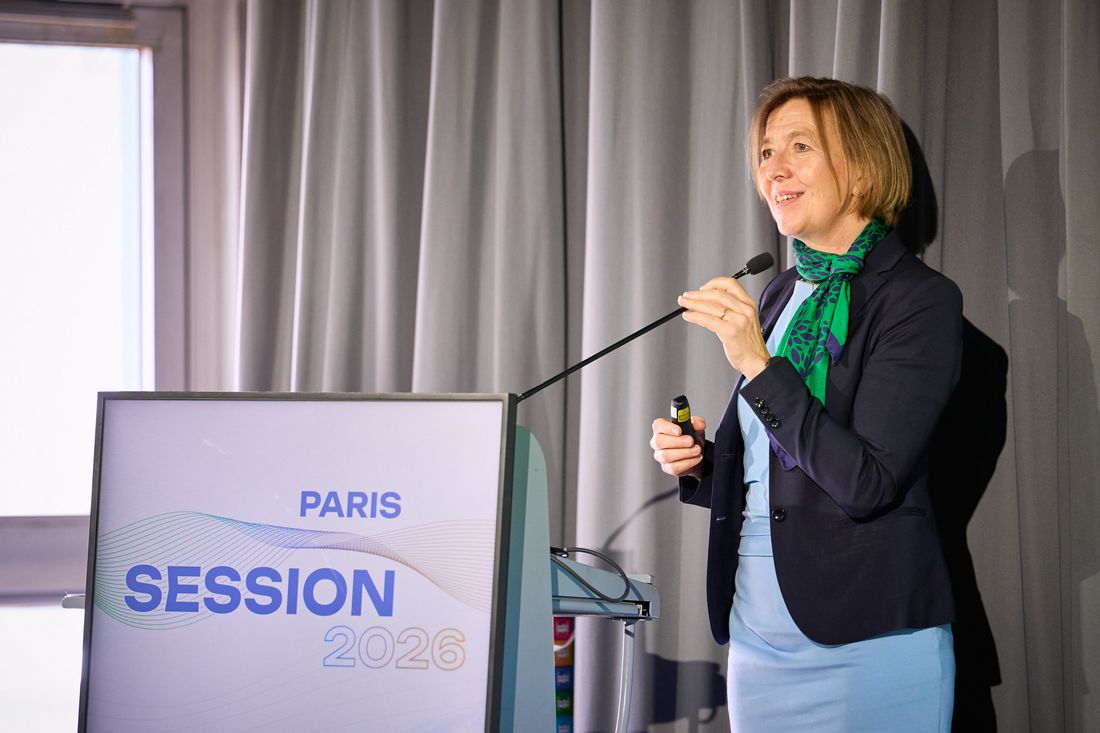
The question of participation becomes particularly relevant within CIGRE’s technical community. Rannveig Løken, Vice President Technical of CIGRE, highlighted the breadth of work carried out across the Association’s 16 Study Committees and more than 260 Working Groups, addressing issues ranging from SF₆ alternatives and grid-forming technologies to large inverter-based loads, data centers, digital twins and power-system automation. Her message also pointed to a practical dimension of inclusion: participation in the places where technical knowledge is actually developed. Working Groups are not only for established experts; they are environments in which professionals can contribute their own experience while learning from specialists from around the world, with opportunities to progressively take on responsibilities as secretaries, convenors or Study Committee representatives. In this sense, broadening participation in CIGRE’s technical work means broadening the range of expertise contributing to the solutions that will shape future power systems.
OneGrid, broader perspectives
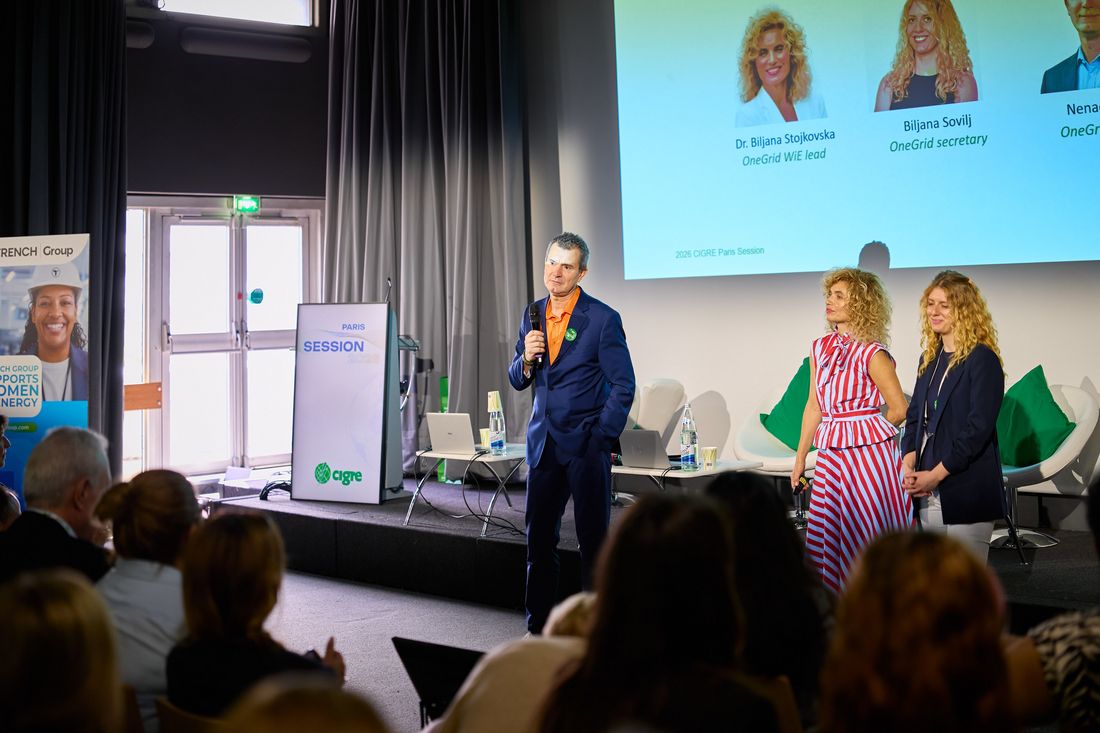
This connection between people and technology also emerged through the OneGrid initiative, presented by Nenad Uzelac and Biljana Sovilj, Chair and Secretary of the OneGrid Core Team, together with Biljana Stojkovska. The initiative reflects a changing power system in which the boundaries between transmission, distribution and the grid edge are becoming increasingly fluid, making closer dialogue between traditionally separate technical communities essential. OneGrid therefore aims not only to extend CIGRE’s technical reach, but also to engage distribution communities more actively, listen to their challenges and bring their expertise into a broader shared conversation. Women in Energy is expected to play an active role in this process, particularly by encouraging greater participation from women working in distribution and by helping to create bridges between the global initiative and local communities. In this sense, OneGrid offers a concrete example of what inclusion can mean in a changing power system: connecting communities that have often worked in parallel and bringing a wider range of expertise into the search for common solutions.
Leadership in an age of energy security
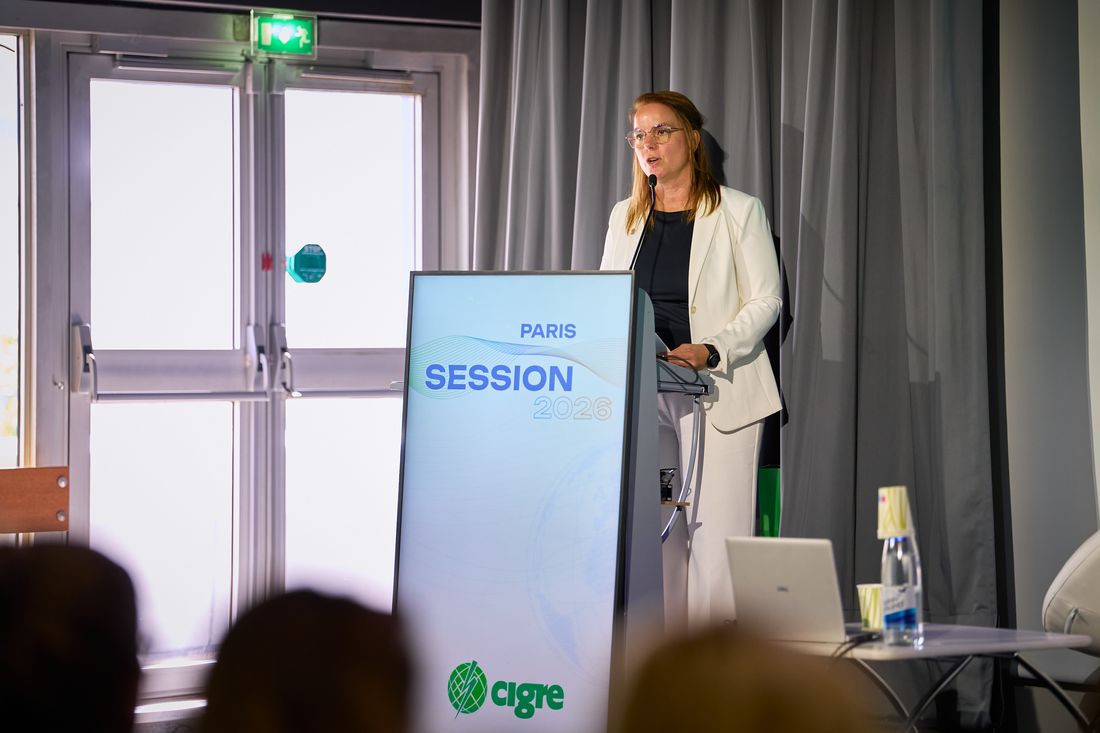
The human dimension of the energy transition was further explored by Mélanie Pigeon, Senior Director of Engineering and Standardization at Hydro-Québec, who argued that infrastructure and technology alone will not be enough to meet the scale of the challenges ahead. As the sector works to expand and modernize grids, integrate new technologies and maintain reliability, affordability and resilience, it also needs leadership capable of bringing different experiences, perspectives and ways of thinking into the decision-making process. For Pigeon, this means turning inclusion into visible action: creating space for talent to contribute fully, opening doors to opportunities, giving women visibility on important projects and ensuring that different voices are heard. Her message connected inclusive leadership directly with the sector’s capacity to innovate and deliver: diversity is not simply about representation, but about mobilizing the talent needed to tackle one of the defining engineering challenges of our generation.
Sustainability as a foundation for energy security
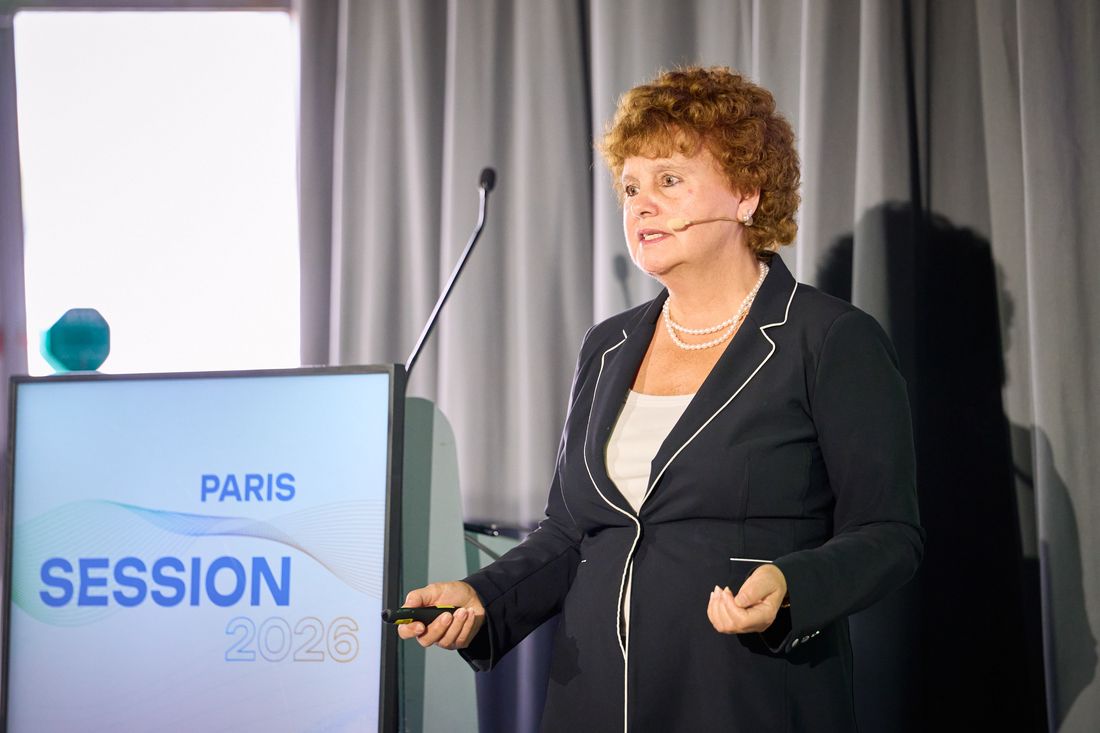
Lise Laforce, co-founder and Executive Vice-President of OPAL-RT Technologies, extended the discussion from leadership to the long-term resilience of the energy system. Her contribution challenged a purely short-term view of energy security: delivering sufficient, reliable and affordable energy today is not enough if the choices made to achieve it undermine the ability to do so tomorrow. In this perspective, sustainability becomes an essential condition for long-term energy security, bringing together economic resilience, social stability and environmental viability. Laforce also questioned whether some of the challenges facing the sector are primarily technological, or whether they are equally rooted in the way people and organizations make decisions. Her answer pointed towards a more collaborative approach: no single organization can transform the energy system alone. Long-term energy security therefore depends not only on technology and infrastructure, but also on our ability to make sustainable choices and work together towards shared solutions.
Passing the baton, building the next chapter
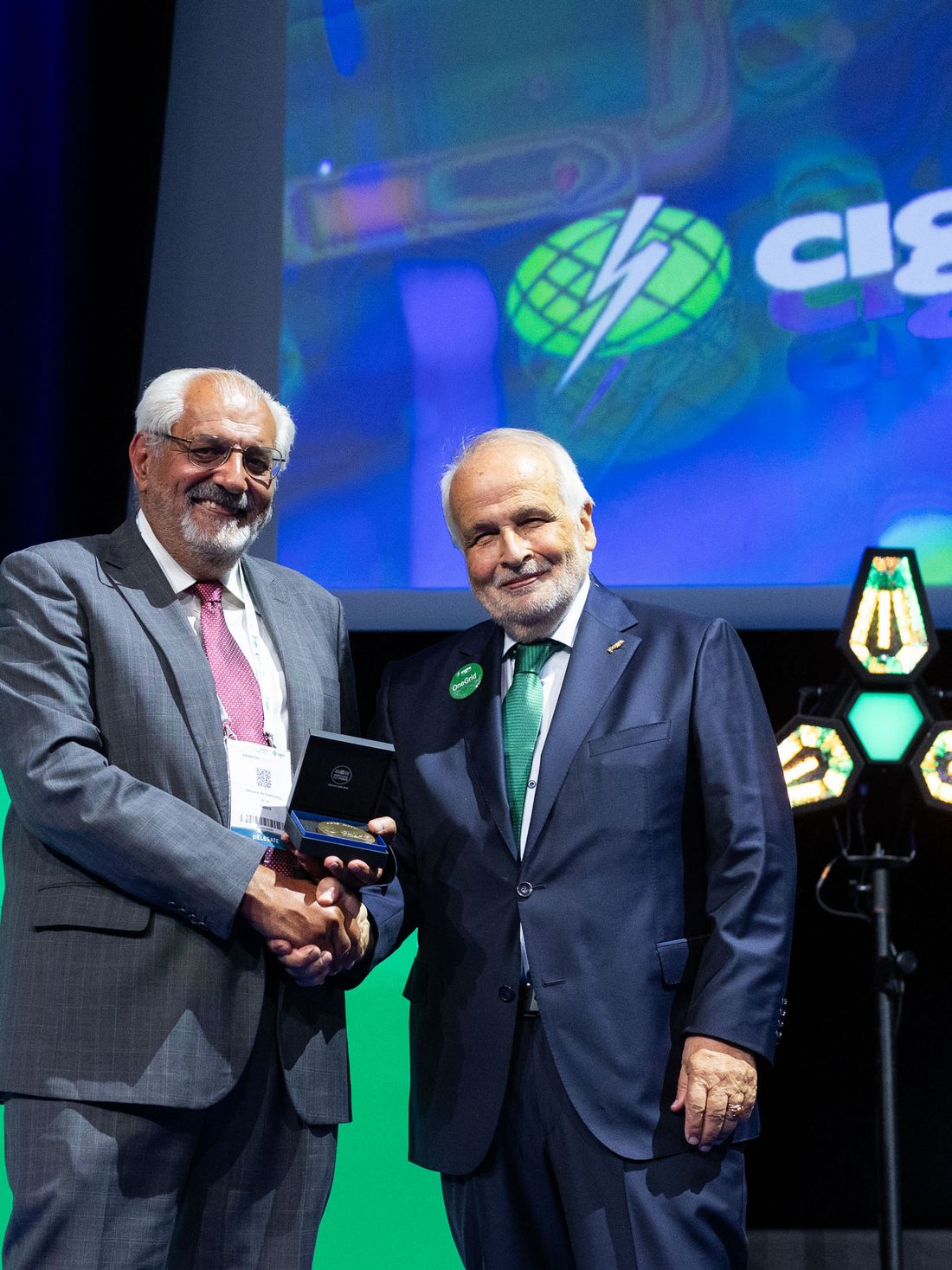
The Forum also marked a moment of continuity and renewal for CIGRE Women in Energy. Solange David, closing her 2022–2026 term as Chair, passed the baton to Arianna Guarneri, the new Chair of CIGRE Women in Energy for 2026–2030, alongside Manju Gupta, the new Vice-Chair. The moment also recognized the contribution of the leaders who helped build the network before them, reinforcing the sense of a community evolving from one mandate to the next. The moment also brought together all four women who have chaired CIGRE Women in Energy since its creation: Ruomei Li (2014–2018), Khayakazi Dioka (2018–2022), Solange David (2022–2026) and Arianna Guarneri (2026–2030). Their presence gave the passing of the baton a broader meaning, connecting different generations, countries and traditions within a shared journey. Looking ahead, Guarneri placed greater participation in CIGRE’s technical activities at the centre of her vision, encouraging Women in Energy communities across the National Committees to create more opportunities for women to contribute to Study Committees and technical work. She presented CIGRE not only as a place to contribute expertise voluntarily, but also as an opportunity for professional and personal growth, grounded in values such as collaboration, loyalty, honesty and transparency. Gupta complemented this perspective with a simple message: empowerment also starts from within, with women believing in their own capabilities and moving forward together.
The passing of the baton therefore represented more than a change of leadership: it connected the legacy built across generations, countries and traditions with a new commitment to participation, technical contribution and shared growth across the global CIGRE community.
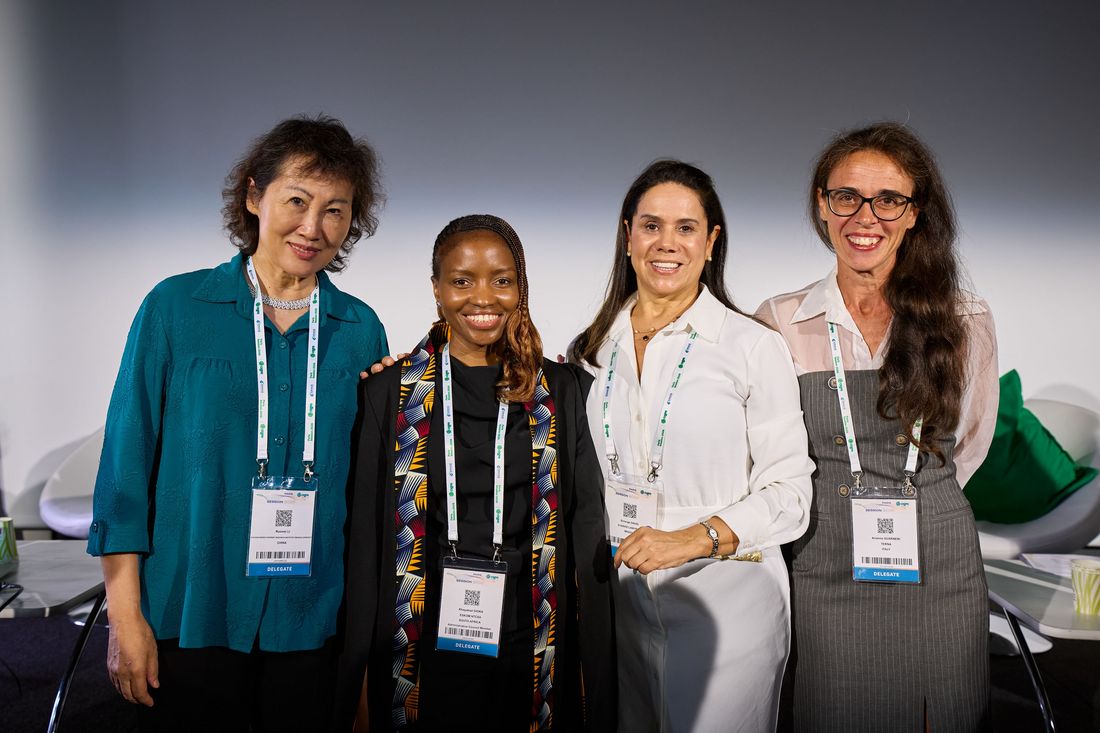
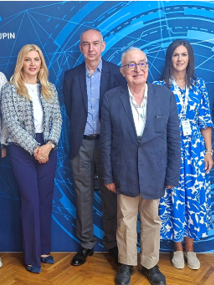
From left to right: Ruomei Li, Khayakazi Dioka, Solange David and Arianna Guarneri
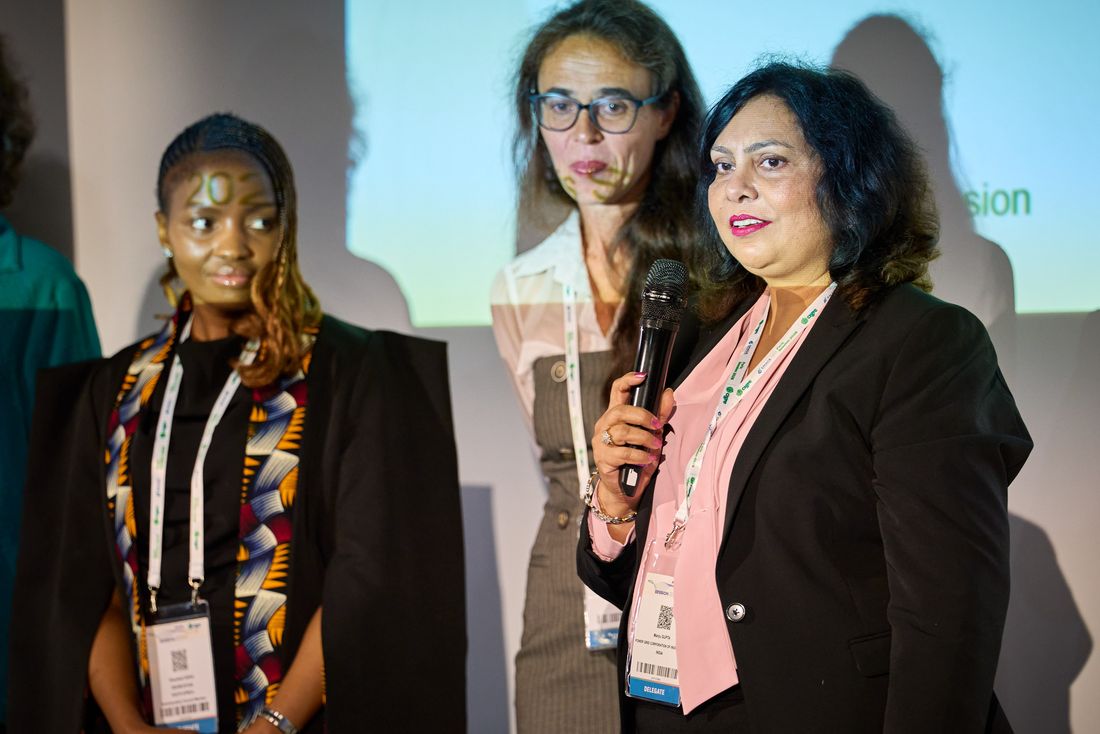
From left to right: Khayakazi Dioka, Arianna Guarneri and Manju Gupta
Relive the Women in Energy Forum
The Women in Energy Forum held during the CIGRE Paris Session 2026 is available to everyone on eCIGRE. Watch the full video and explore the presentation shared during the Forum to discover the discussions, experiences and perspectives highlighted during this inspiring event.
Suggested content