“Navigating the Interim” – Integrating the Energy Transition while it is underway
A Case Study from Ontario, Canada
“Navigating the Interim” explores how Ontario, Canada’s IESO is managing an energy transition marked by mismatched timelines between rising demand and infrastructure development. It highlights the use of flexible connections, demand-side measures, and rapid deployment of battery storage to maintain reliability. The need to balance near-term solutions with long-term investments in transmission and nuclear power is emphasized. Ultimately, it shows that real-time adaptation is key to navigating a system in transition.
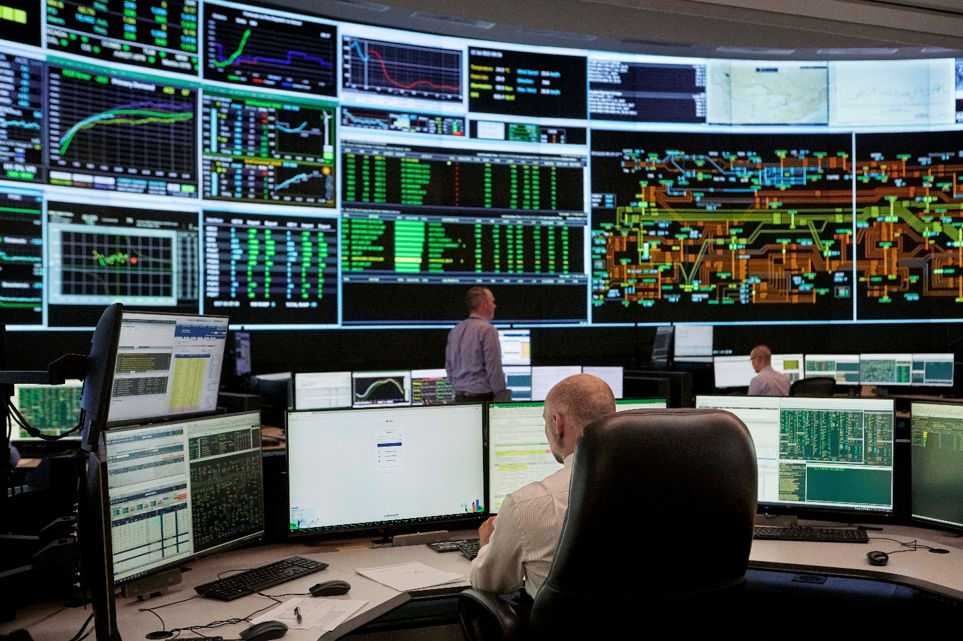
Figure 1 - Photo inside IESO’s Control Centre [1]
by Christopher Reali
Background: IESO and Ontario
The Independent Electricity System Operator (IESO) is Ontario’s independent system operator. Established through provincial legislation, its mandate is broad. It conducts system planning, directs real-time operation of the transmission system, operates the electricity markets, procures supply, administers demand-side management programs, and is a leader in shaping industry reliability standards, among other responsibilities.
Ontario’s electricity system is regionally diverse. The north is characterized by a long and sparse transmission system, industrial demand primarily in resource sectors, and abundant hydroelectric generation. The south, by contrast, is dominated by residential and commercial demand, relies heavily on nuclear and natural gas generation, with growth in renewables and electricity storage, connected by a heavily meshed transmission system.
The following figure illustrates the characteristics of the Ontario grid as of year-end 2025.
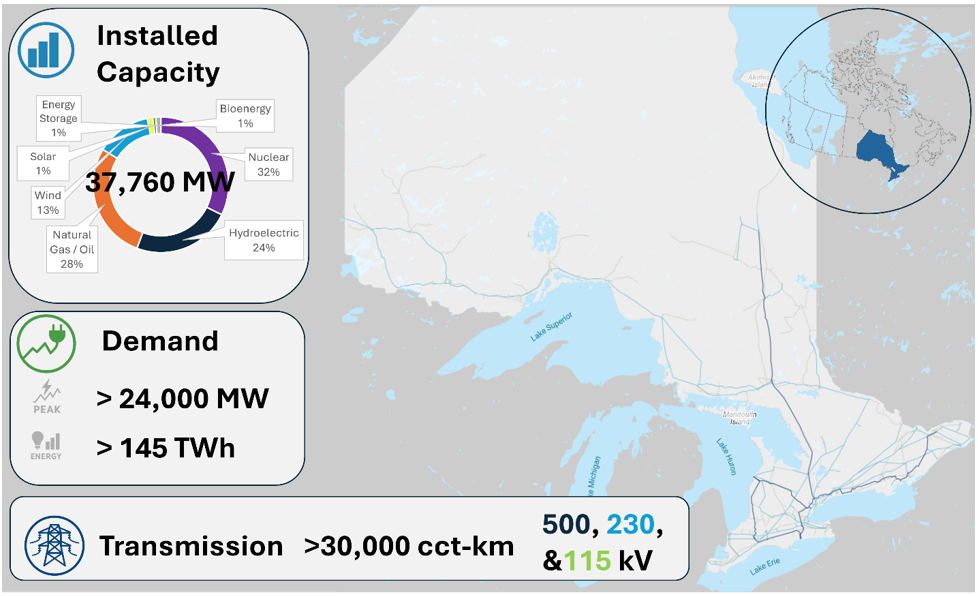
Figure 2 - Infographic of Ontario, Canada’s Transmission System. Installed Capacity and Demand Data as of year-end 2025. Transmission circuits and routes are as of 2022 and illustrative only [2], [3]
Ontario is electrically synchronized with North America’s Eastern Interconnection, one of the largest synchronous grids in the world. It is also asynchronously connected to Québec via back-to-back HVDC and switchable radial AC ties. These interconnections enhance reliability and provide operational flexibility, but they also add complexity to planning and operations.
Drivers of the Energy Transition in Ontario
Ontario’s energy transition is shaped by several concurrent forces:
- A dramatic shift in the supply mix, driven by renewed investment in nuclear generation, increasing penetration of intermittent renewable resources, and rapid deployment of electricity storage.
- Accelerating electrification of industry, including conversion to electric arc steelmaking, rising electricity demand from digitization, particularly data centres supporting cloud computing and AI. Demand growth is projected to nearly double by 2050.
- New opportunities for Demand Side Management (DSM) with evolving customer choice.
- A massive expansion of the transmission system to enable economic growth and support policy initiatives such as Ontario’s critical minerals strategy.
- A unique societal context in which community, and especially Indigenous, participation, is essential to securing the social licence needed to build infrastructure.
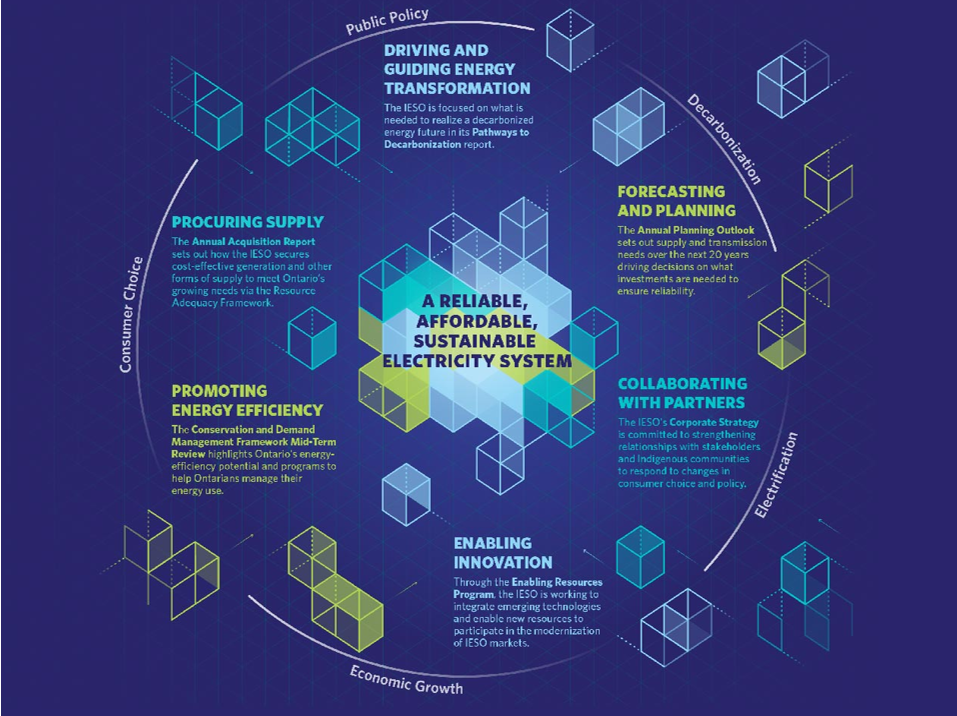
Figure 3 - Infographic of Ontario’s electricity system transformation in the context of decarbonization [4]
IESO’s planning approach is anchored by its Annual Planning Outlook (APO), a publicly available document that outlines system needs, reinforcement plans, and procurement targets over a 20+ year horizon. Internally, this approach is often described as “planning in public.” Given the pace of change in the electricity sector, revisiting these plans annually has become essential rather than procedural.
To manage uncertainty, particularly for long-lead investments, IESO adopts a “no-regrets” philosophy. This approach prioritizes actions that deliver net benefits across a wide range of potential futures, regardless of variability in demand, policy, or technology.
Integrating the Transition: Managing the Interim State
The defining feature of today’s transition is not the end state, but the temporal mismatch between fast-moving demand and emerging technology versus slow-moving infrastructure.
Ontario is currently in an interim state where electrification and emerging technology, particularly battery storage, are advancing more quickly than large-scale transmission reinforcements and conventional generation additions. At the same time, an unprecedented volume of capital investment is being prepared. Managing this misalignment in timelines is one of the defining challenges of the transition.
Enabling Load Growth Without Compromising Reliability
Ensuring that the power system enables and does not impede economic growth is a strategic risk. With strong pressure to connect new loads quickly, IESO views this as a core mandate.
One key response has been evolving the connection processes to enhance flexibility without compromising reliability. This includes staged assessments and tailored operating procedures to manage new loads.
With respect to large data centre loads, developers often require early confirmation of grid capacity to secure financing and customers. However, the information needed for full interconnection studies, such as detailed models, operating assumptions, and final infrastructure designs, is often unavailable at early stages. This creates a circular dependency.
Ontario has addressed this challenge through several measures:
- Legislative changes enabling more selective access to the grid to ensure that large applicants demonstrate tangible economic value [5].
- The introduction of feasibility-level “capacity-only” assessments based on steady-state analysis, providing early guidance without requiring full technical detail.
- The development of standardized technical requirements for large computational loads. These requirements cover areas such as data provision, power capabilities, ride-through, ramping, damping, and disturbance monitoring. They are currently in stakeholder engagement [6].
In parallel, IESO has leveraged demand flexibility to bridge infrastructure gaps. In cases where the connecting load is the only party affected by a constraint, “voluntary demand management” has been used to enable earlier connections. Under this approach, customers agree to curtail load during system conditions that would otherwise violate performance criteria.
This mechanism has supported major developments, including electric arc steelmaking conversions, expansion of critical mineral production, and data centre connections. [7], [8], [9]. However, this approach also increases real-time operating complexity.
Accelerating Supply Through Storage and Innovation
On the supply side, early procurements have emphasized resources that can be deployed quickly and provide effective capacity. Programs such as Expedited Long-Term Procurement (E-LT1) and Long-Term Procurement (LT1) included incentives for early in-service dates, accelerating delivery.
A defining outcome has been the rapid deployment of battery energy storage systems, with over 3,000 MW secured through these procurements and related agreements. However, this introduces new sources of instability risk, such as sub-synchronous controller interactions.
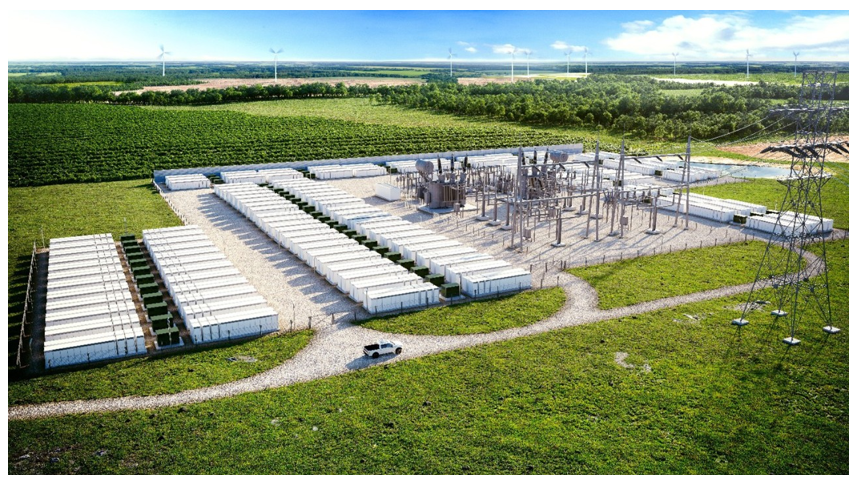
Figure 4 - Rendering of Oneida Battery Energy Storage System, courtesy of Natural Resources Canada (NRCan) [10]
To integrate these inverter-based resources reliably, IESO invested early in advanced modeling capabilities, most notably the development of a system-wide electromagnetic transient (EMT) model. Given the size of the Ontario grid, this represents one of the largest EMT models in operation globally.
These capabilities have enabled:
- Screening tools to identify unsuitable interconnection locations for inverter-based resources, providing clearer locational signals to developers.
- Operational screening thresholds for outage planning, helping operators avoid weak-grid conditions where detailed EMT analysis is impractical.
- The introduction of market rules requiring grid-forming capability in inverter-based resources. This provides future flexibility in system operations.
Coordinating Long-Lead Investments
While fast-moving resources help bridge near-term gaps, longer-lead investments, particularly nuclear generation and transmission expansion, will ultimately define Ontario’s future system.
Nuclear power is expected to play a central role as a source of reliable, low-emissions electricity and as a driver of economic growth, supporting domestic supply chains and long-term employment.
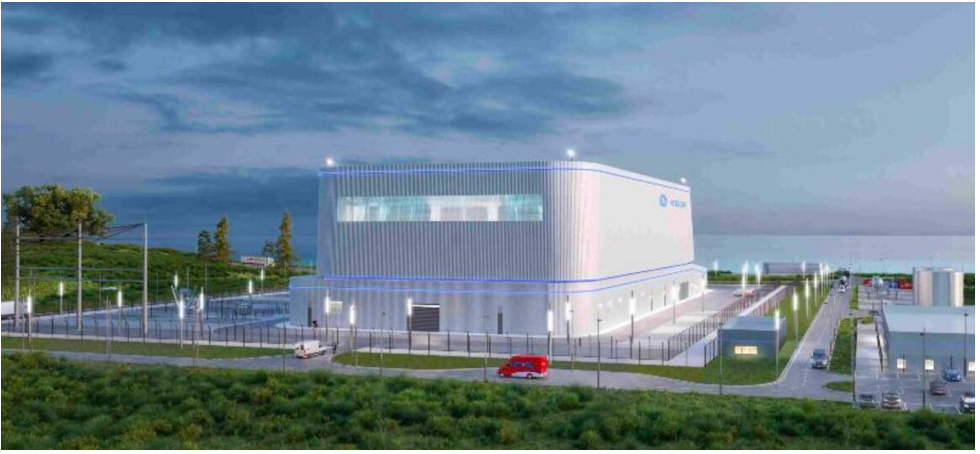
Figure 5 - Rendering of Darlington Small Modular Nuclear Reactor, courtesy of Canadian Infrastructure Bank (CIB) [11]
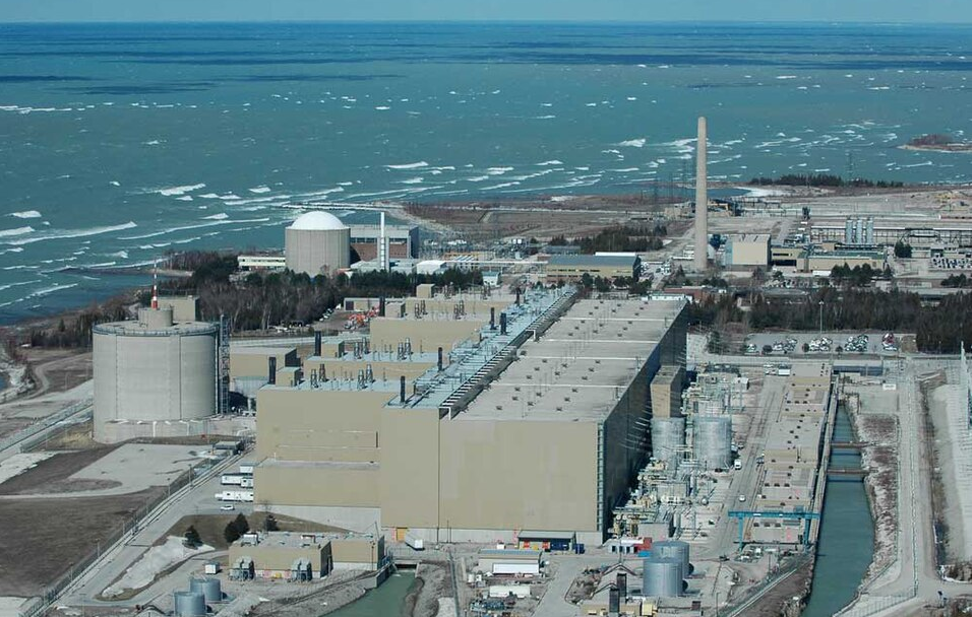
Figure 6 - Aerial photo of Bruce Nuclear Generating Station [12]
At the same time, transmission investments exceeding $40 billion CAD, more than doubling the current asset base, are planned or underway. These investments will enable both supply expansion and economic development, including access to critical mineral regions.
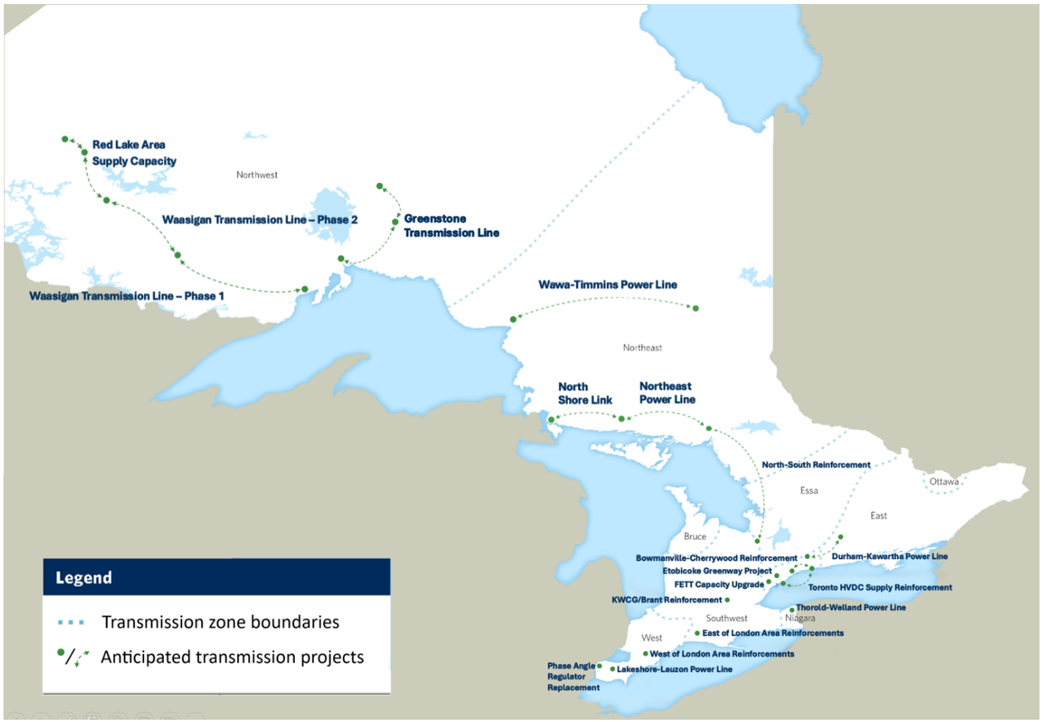
Figure 7 - Map of anticipated transmission projects from IESO’s 2026 Annual Planning Outlook [13]
With over $100 billion CAD in capital being deployed, coordination risk becomes a critical concern. Delays can significantly increase costs through interest exposure and misalignment between interconnected projects.
To mitigate these risks, IESO is taking several steps:
- Enhancing the connection process to improve clarity on timelines, roles, and accountabilities.
- Revising operating policies to reduce transmission constraints while maintaining reliability and enabling complex, multi-stage outage plans.
- Modernizing operational tools, including deploying phasor measurement units (PMUs), online positive sequence stability limits, complementing existing dynamic line ratings for thermal limits.
- Investing in our workforce development and knowledge continuity through internal initiatives such as the “IESO Academy” and engineer-in-training programs.
Closing: A System in Motion
Ontario’s experience highlights a fundamental reality of the energy transition. The system being built cannot wait for the system being planned.
The interim state, defined by mismatched timelines, evolving technologies, and growing demand, is not simply a temporary phase. It is a critical period that must be actively managed. Success depends on maintaining reliability while expanding flexibility, enabling investment while preserving discipline, and continuously adapting processes to reflect a rapidly changing landscape.
For system operators, this requires not only long-term vision but also operational creativity. It means finding ways to safely extend existing infrastructure, integrate new technologies ahead of traditional reinforcements, and coordinate an unprecedented scale of capital deployment.
In Ontario, the transition is already underway. The challenge and the opportunity, lies in navigating it in real time.
References
- IESO Image and Video Library. Available online, Courtesy of IESO via:
- IESO Ontario Energy Map. Available online, Courtesy of IESO via:
- IESO Year-End Data. Available online, Courtesy of IESO via:
- IESO Decarbonizing Electricity Sector. Available online, Courtesy of IESO via:
- Ontario Bill 40. Available online, Courtesy of Legislative Assembly of Ontario via:
- IESO Large Computational Loads Technical Requirements (Draft, May 2026). Courtesy of IESO, Available online
- IESO SIA Algoma Steel (Public). Available online
- IESO SIA Young Davidson Mine Increase Addendum (Public). Available online
- IESO SIA Niagara on the Lake Cryptocurrancy Connection (Public). Available online
- Natural Resources Canada – Oneida Battery Project. Available online
- Canadian Infrastructure Bank – Darlington SMR. Available online
- Szmurlo, C. Bruce Nuclear Generating Station Image. Available online via Creative Commons Licence
- IESO 2026 Annual Planning Outlook Summary. Available online

Want to go further? Discover related Publications on eCIGRE
► TB 923: Optimal transmission and distribution investment decisions under increasing energy scenario uncertainty
► TB 970: The Potential Roles of Energy Storage in Power Systems
► TB 922: Review of Large City & Metropolitan Area power system development trends taking into account new generation, grid and information technologies
Suggested content