A Month in Guangzhou – Engineering, Culture, and Connection
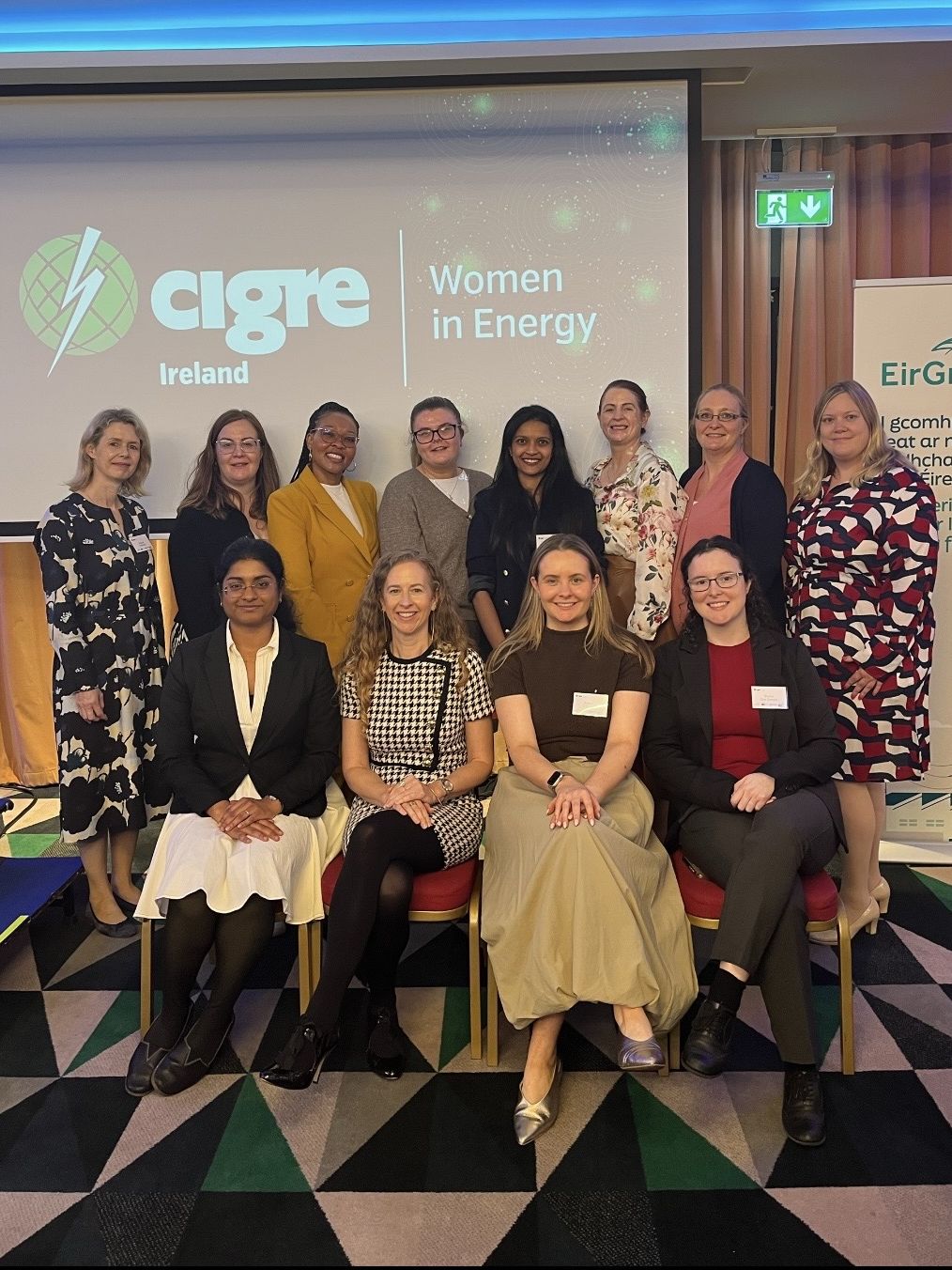
In November 2025, I had the privilege of joining nine other young engineers in CIGRE’s inaugural Global Young Engineers Internship and Exchange Program. As an interconnection analyst from EirGrid in the Republic of Ireland, I was excited by the opportunity to experience the level of automation and scale of operations within the Chinese power system.

The month-long program took place in Guangzhou, China, and was hosted by the Guangzhou Power Supply Bureau, part of China Southern Power Grid (CSG). There were more than fifty structured activities, including research showcases, technical exchanges, industry collaboration events, and site visits. CSG is one of two Transmission System Operators in China that supplies energy across five provinces and associated regions, serving more than a quarter of a billion people. The organization employs approximately quarter of a million people and hires over ten thousand graduates each year.
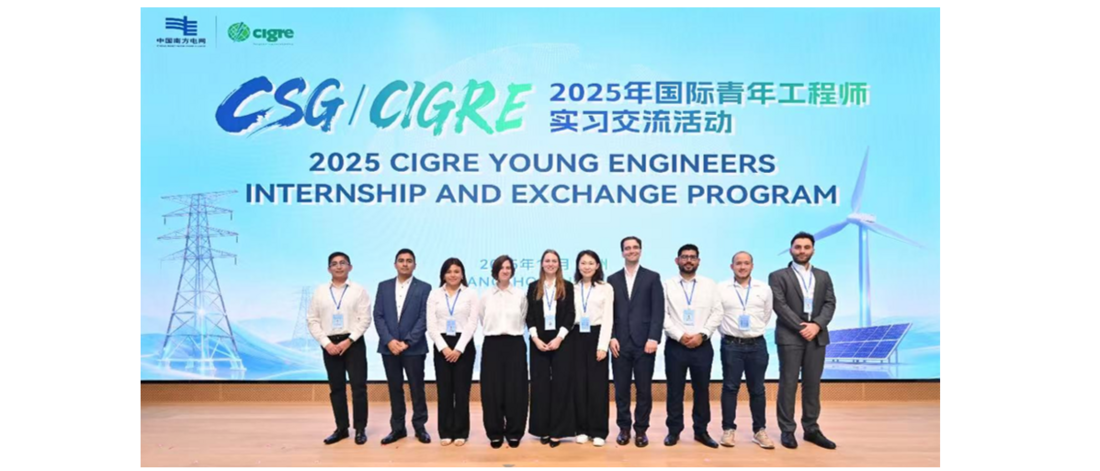
Figure 1 - The 10 CIGRE NGNs selected for the Global Young Engineers Internship and Exchange Program
The program aimed to provide participants with technical and professional development opportunities focused on new and emerging technologies, while also offering direct exposure to CSG operations. Participants gained insights into current projects involving renewable energy systems and technologies, while also engaging in cultural experiences and collaborating with power system professionals across the industry.
The city of Guangzhou, located in Guangdong province, is a beautiful, quiet, and modern place. Only electric variants of scooters and motorbikes are used and there are lots of new, domestically manufactured electric vehicles, as well as an autonomous taxi service. Situated on the Pearl River, Guangzhou is known for its flowers, cultural museums, and food. Within China, there is a popular saying, “Eat in Guangzhou”, reflecting its wide array of famous local dishes.
The program took place during autumn, which is the best time of year to visit due to milder weather, lower humidity, and clear skies. Throughout the program, several cultural activities were organized to showcase and encourage participation in Chinese traditions, including embroidery workshops, tai chi, calligraphy, and acupuncture. We also attended screenings of popular Chinese films.
In addition, we visited local temples, lion dancing competitions, and museums, and most notably attended events at the National Games of China, held across Guangdong, Hong Kong, and Macao. The organizers’ efforts to deliver a holistic program that seamlessly integrated these experiences were greatly appreciated. This approach fostered meaningful social connections among participants from a wide range of countries and cultural backgrounds.
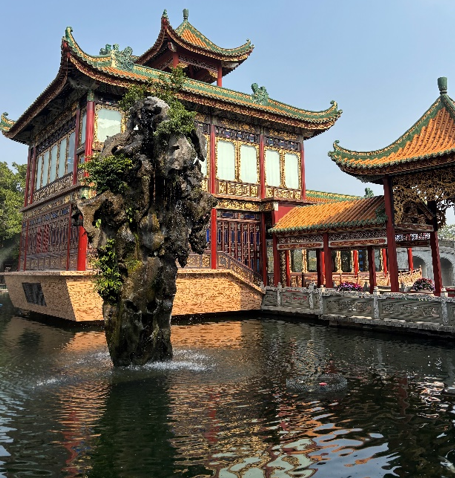
Figure 2 - Sightseeing local temples
The ten young engineers, representing seven different countries, were graciously hosted by CSG at the Nansha Training Base in Guangzhou City. The facility comprises a fifteen-story building and campus that typically accommodates around three hundred new employees for a three-month training program. It is fully equipped with a gym, canteen, lecture halls, entertainment areas, sports pitches, and replicas of training equipment, including 110 kV substations. CSG also paired each engineer with a tutor, an experienced power systems professional, who supported learning throughout the program. These tutors helped reinforce key concepts, facilitate discussions, and assist with practical aspects such as translation and cultural understanding.
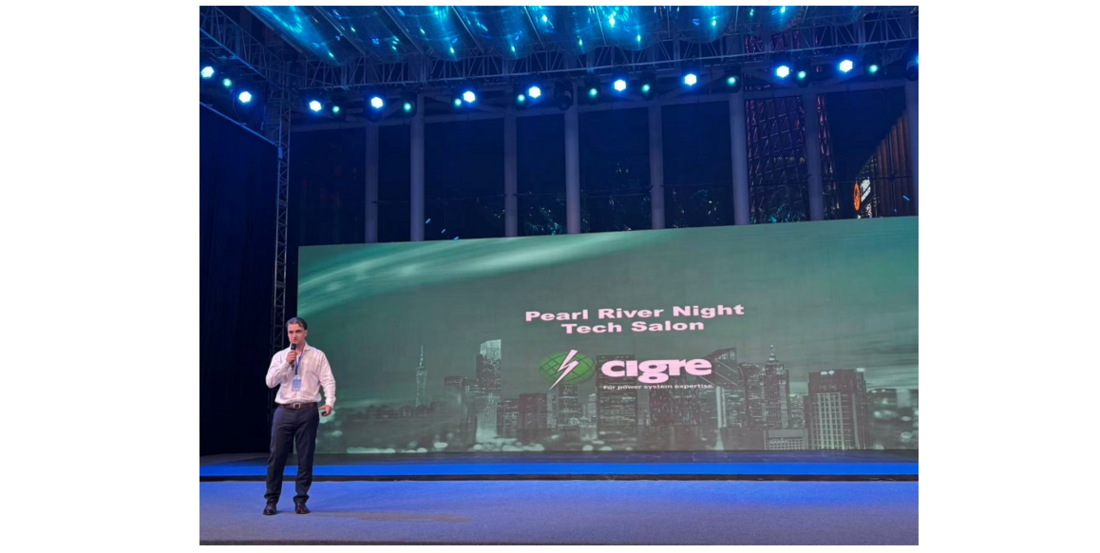
Figure 3 - Harry Pratt presenting at the Pearl River Night Tech Salon
There are significant generation resources in the mountainous southwest of China, including hydro, wind, and solar, while major demand centres are concentrated in the east, particularly in Guangdong, the most populated province in the country. As a result, CSG has developed substantial west-to-east transmission capacity. Transmitting power over such long distances requires the design, operation, and maintenance of infrastructure across both mountainous regions and low-lying urban areas, while ensuring reliable interconnection between them. Key design considerations include altitude variation, extreme temperatures, natural disasters such as typhoons, and challenging terrain. Headline speakers throughout the program included the President of CIGRE, Dr. Konstantin O. Papailiou; former Chair of the CIGRE Technical Council, Mr. Marcio Szechtman; and current Chair of the Guangzhou Power Supply Bureau, Dr. Xu Shukai.
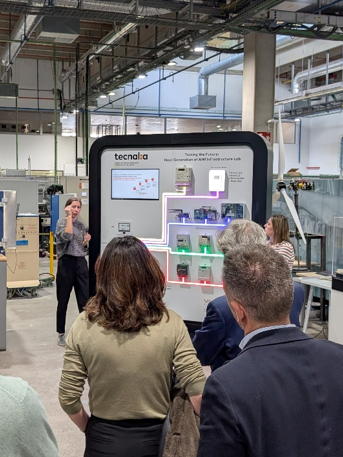
During the month-long program, the technical and professional learnings were both insightful and practical to my own career. Each educational session was fantastically delivered by power system experts, who always ensured a strong level of understanding was achieved. These learnings were often reinforced through practical application during site visits to operational infrastructure, such as cable tunnels. We also toured electric vehicle charging facilities, including Vehicle-to-Grid systems (30/60 kW), Direct Current Fast Charging (up to 600 kW), and autonomous charging technologies. In addition, we visited various types of 500 kV substations, including those featuring sustainable designs with 3D-printed buildings and water recycling systems, as well as High-Voltage Direct Current Back-to-Back (HVDC B2B) systems. The latter effectively acts as a circuit breaker between cities, helping to manage risks associated with large demand centres in close proximity. Mature technologies by Chinese standards, such as multi-terminal HVDC systems, are world-leading and unique. Since CSG owns and operates transmission and distribution networks, and also serves as the energy retailer, the program provided valuable insights across all segments of the power system.
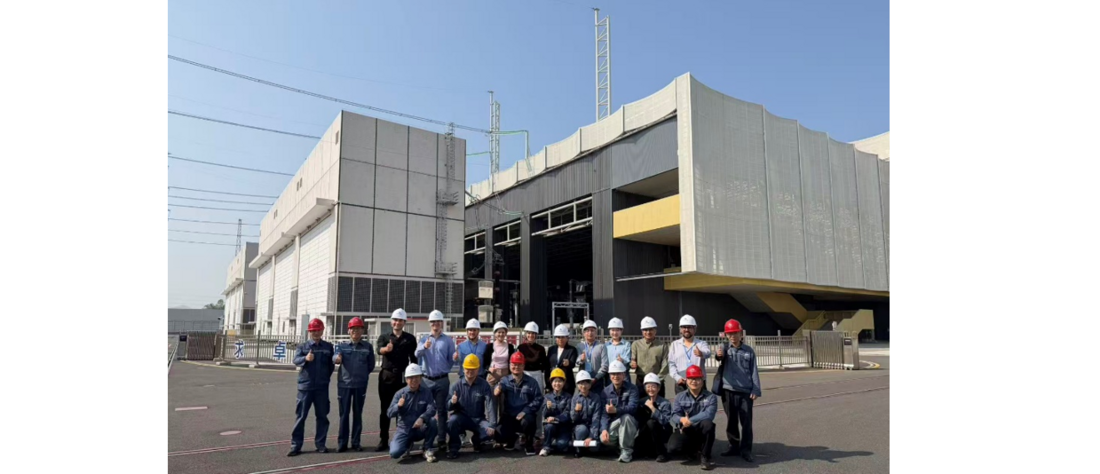
Figure 4 - Technical Tour at the HVDC Back-to-Back 500 kV Substation
There was a clear emphasis on initiatives that reduced the environmental impact of the power system. These included the use of sustainable materials in high-voltage cable manufacturing, vegetable oil-based transformer insulation, vacuum circuit breakers, and advanced dashboards displaying energy usage and efficiency for large consumers. Hydrogen was also highlighted as a potential net-zero energy source when produced using renewable energy, with plans to locate production sites alongside renewable generation assets. Significant improvements in the efficiency of the hydrogen cycle were demonstrated. Although still largely in the research and development phase, promising applications include emergency mobile truck generators, oxygen supply for mountainous hospitals, powering long-range inspection drones, and hydrogen use in the manufacturing of other chemicals.
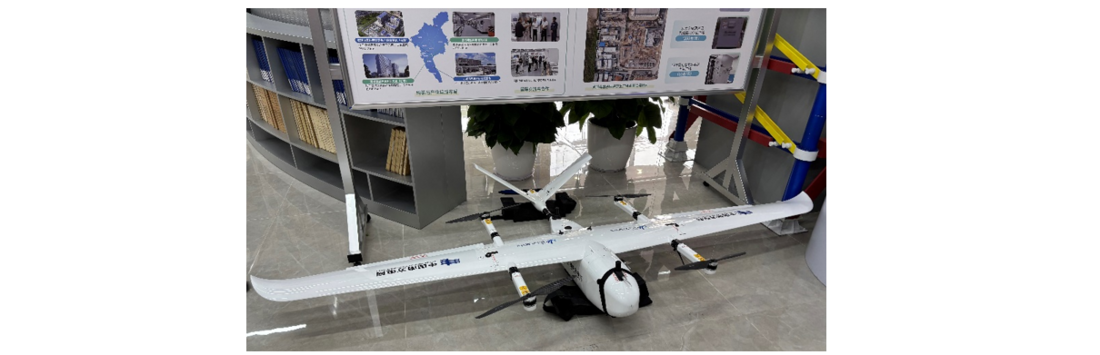
Figure 5 - CSG Hydrogen Drone
A key takeaway from the program was the scale of digitisation and automation involved in operating and maintaining the power grid. This reinforced the importance of developing practical and scalable technology solutions. Many of the showcased projects were implemented as “small-scale” trials across the network. However, given the scale of China’s power system, these initiatives were already significant by international standards and spanned areas such as robotics and artificial intelligence. Other widely implemented technologies are yielding strong results, including the use of cameras and drones for inspections, automated fault reporting, and machine vision for hazard detection and maintenance planning. The level of research undertaken to maintain global leadership in power systems and renewable energy was particularly impressive. It was evident that unique challenges were being addressed in efficient and innovative ways, especially in areas such as demand response and managing issues related to high power density.
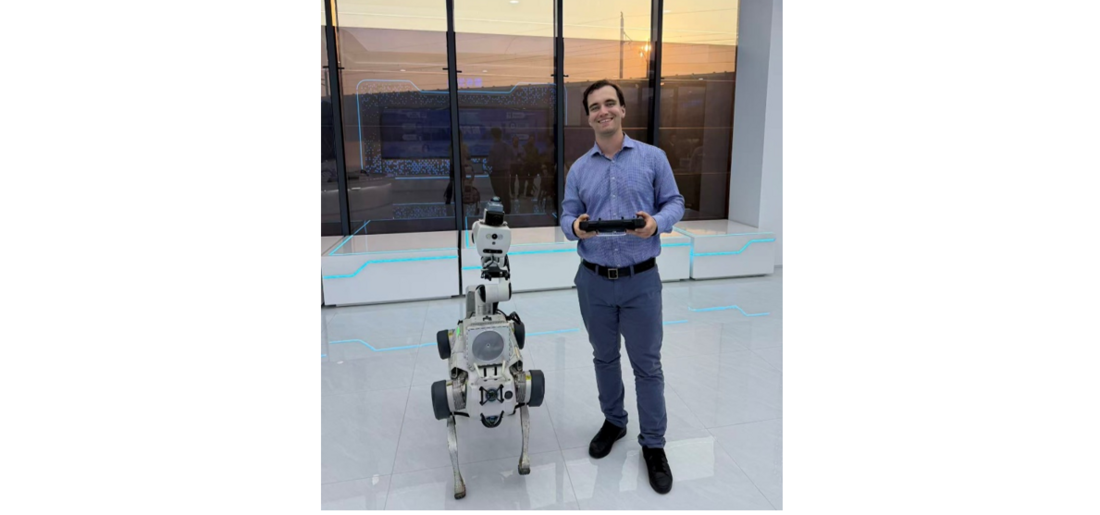
Figure 6 - Xiaotian Quadruped Robot
My advice to future applicants is to take full advantage of this opportunity to learn from leading experts within a world-class organization, collaborate with like-minded professionals, and experience a new culture.

Suggested content