WiE Ireland in Action: building momentum for a more inclusive energy sector
How a new committee, a clear purpose and a sold-out inaugural event helped launch Women in Energy Ireland and set the tone for what comes next.
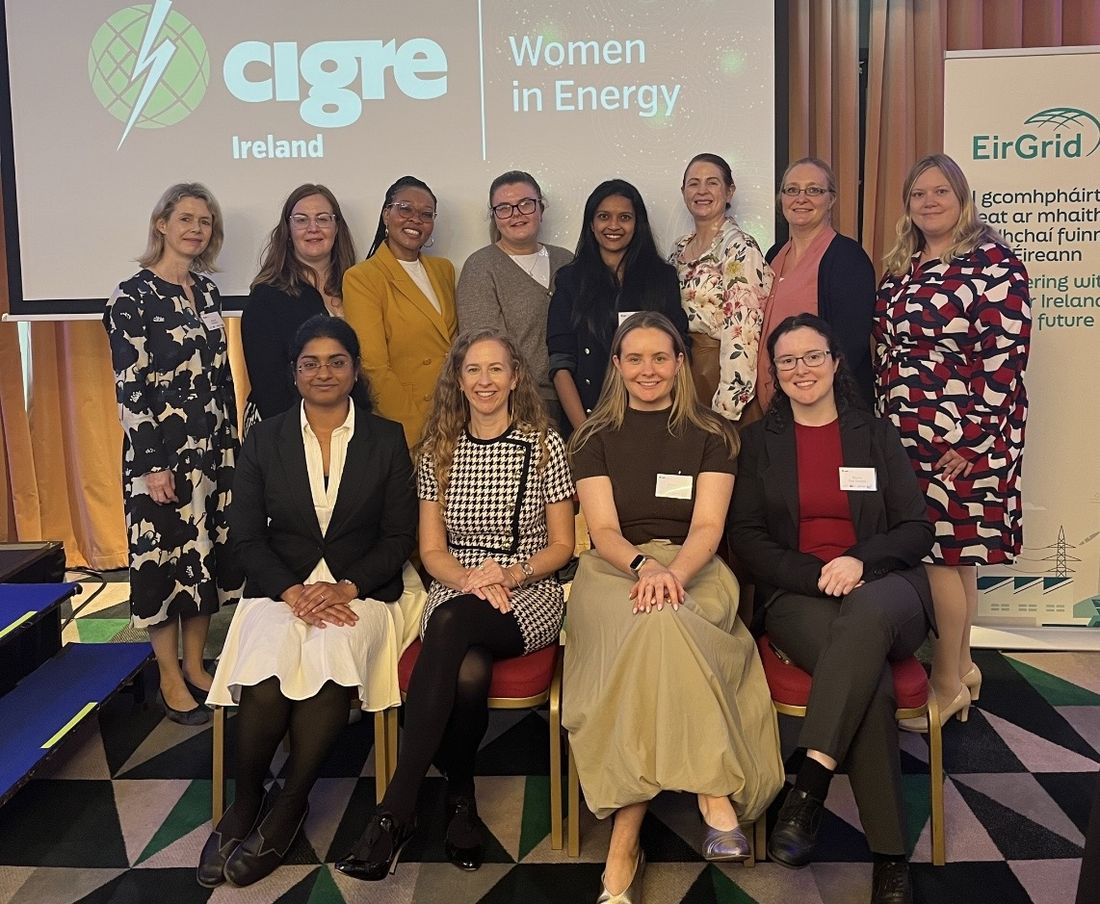
By Lenka Pešková, ESB Networks, Chair WIE Irish National Committee,
Noirin Clifford & Aideen O'Hagan, EirGrid, WIE Ireland Communications Lead
In 2024, a single, well-timed gathering proved something many of us had sensed for a while: there was an appetite in Ireland’s energy community for a space where women and allies could connect, share practical experience, and discuss the challenges and opportunities shaping the sector. That first event did more than fill a room; it created momentum. The conversations were candid, technical, and forward-looking, and they highlighted a gap that could not be addressed by occasional, stand-alone initiatives.
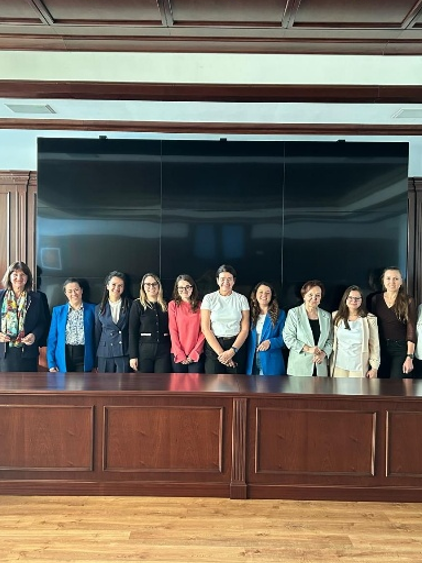
That success became the catalyst for establishing Women in Energy (WiE) Ireland as an ongoing network, aligned with CIGRE’s broader mission of advancing power system expertise and collaboration. In January 2025, a committee was formed to turn that early energy into a program with continuity, credibility, and impact. From the outset, the committee reflected the diversity we wanted to see across the industry: members of different nationalities, career stages, and areas of expertise, spanning utilities, consultancy, academia, and adjacent disciplines. This article looks back on the thinking that shaped our preparation, how the day itself unfolded, and what we learned particularly about how inclusion, technical excellence, and cross-disciplinary collaboration can reinforce one another in a rapidly changing power sector.
Part 1: The thought process behind the preparation
Reading the industry context: sustainability and security of supply
Planning began with a simple question: what does the industry most need right now, and where can WiE Ireland add real value? The Irish and European energy landscapes are moving quickly. Decarbonisation targets are accelerating investment in renewables and electrification, while system operators and network owners face the practical realities of connecting new generation, expanding grids, and maintaining reliability. At the same time, the events of recent years have elevated security of supply from a background assumption to a central design constraint. These two imperatives, sustainability and security, are sometimes framed as competing priorities but in practice they must be addressed together, through system-level thinking. We wanted our programme to reflect that reality: technically robust, grounded in what is happening on the system today, and relevant to the decisions being made across planning, policy, delivery, and operations. That meant ensuring the event was not just inspirational, but also informative with speakers who could speak to the “how” as well as the “why”.
Broadening the scope beyond engineering
Another deliberate choice was to widen the lens beyond traditional engineering roles. The energy transition is not being delivered by engineers alone. It relies on finance and investment decisions, legal and regulatory frameworks, market design, planning policy, environmental assessment, community engagement, cyber security, digitalisation, supply chains, and many other functions. Those disciplines are not “supporting actors”; they shape outcomes just as materially as technical design does. For WiE Ireland, this broader scope was essential for two reasons. First, it better represents the reality of who works in energy and therefore who should be welcomed into sector conversations. Second, it improves the quality of those conversations. When technical, commercial, legal, and policy viewpoints are present in the same room, assumptions are tested, trade-offs become clearer, and solutions can be discussed with a more complete understanding of constraints. In practical terms, this influenced everything from how we framed the event description to how we selected speakers and promoted attendance. We positioned the programme to be relevant to both engineering and non-engineering professionals, with the aim of covering “full industry” perspectives rather than a narrow technical track.
Designing the programme: clarity, credibility, and accessibility
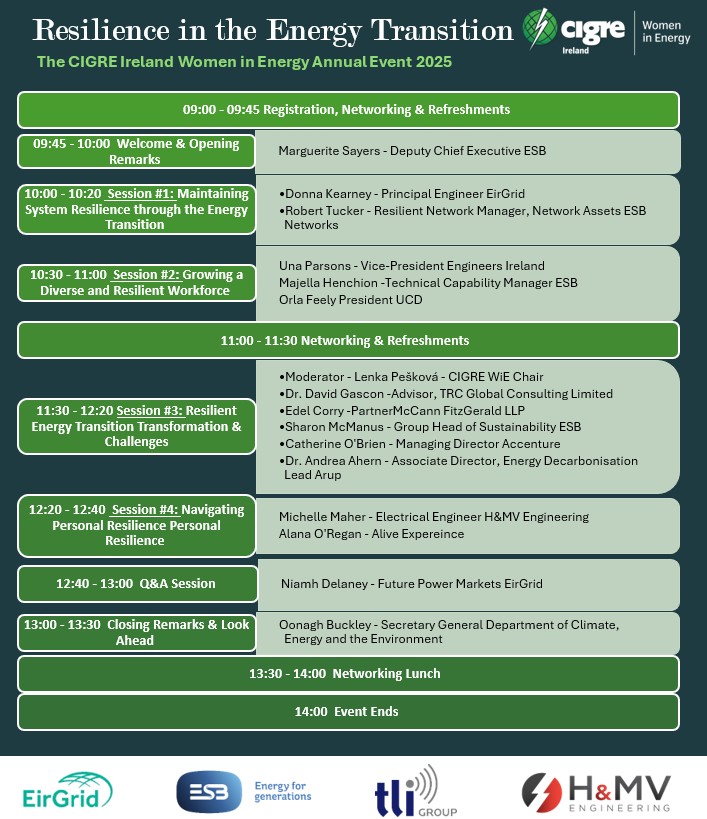
We focused on designing an agenda that balanced three elements:
- Clarity: a coherent storyline that linked the themes together rather than a collection of unrelated talks.
- Credibility: speakers with deep expertise and direct involvement in the work being discussed.
- Accessibility: content that maintained technical accuracy while remaining understandable across different professional backgrounds.
Getting that balance right required careful briefing and coordination. Speakers were encouraged to be specific: to share lessons learned, approaches that worked (or did not), and what they wished they had known earlier. At the same time, we avoided overly dense detail that would narrow the audience. The goal was to keep the event inclusive without diluting the technical substance.
Bringing in sponsors and partners
We also recognised that long-term continuity depends on sustainable support. Sponsorship was approached not as a logo exercise, but as a partnership opportunity with organisations that share the value of developing diverse talent pipelines and strengthening sector capability. Throughout, we aimed to keep the focus on community benefit. Sponsorship arrangements and acknowledgements were designed to be transparent and proportionate, ensuring the event remained content-led and participant-centred.
Part 2: How the day went
From first committee event to sold-out attendance
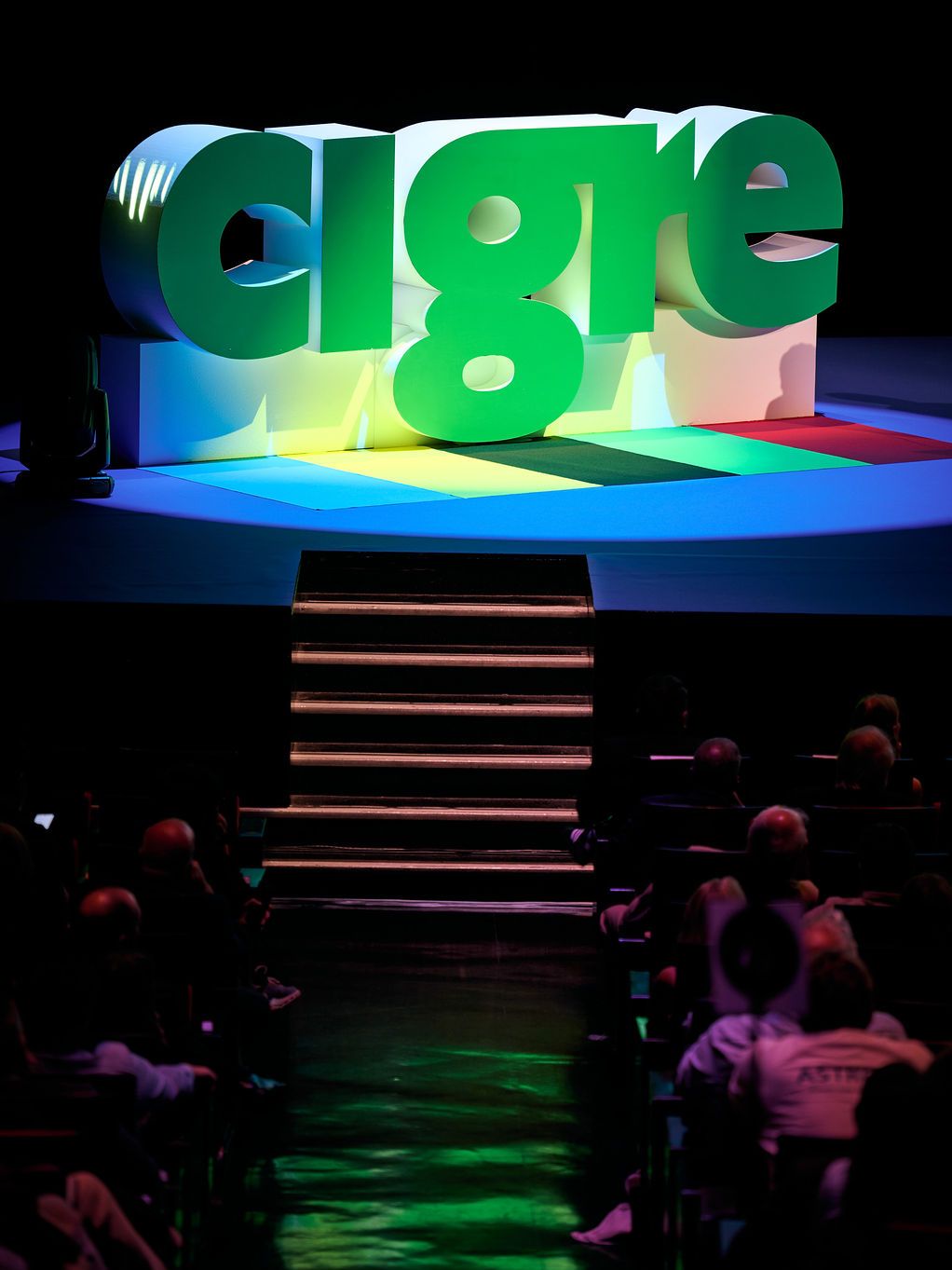
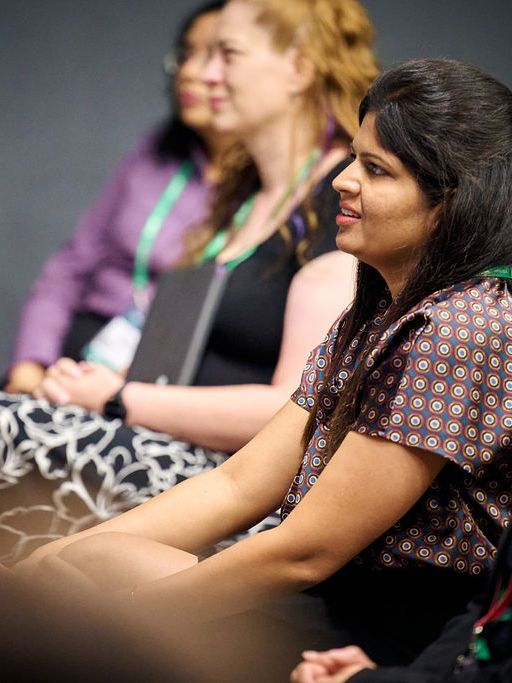
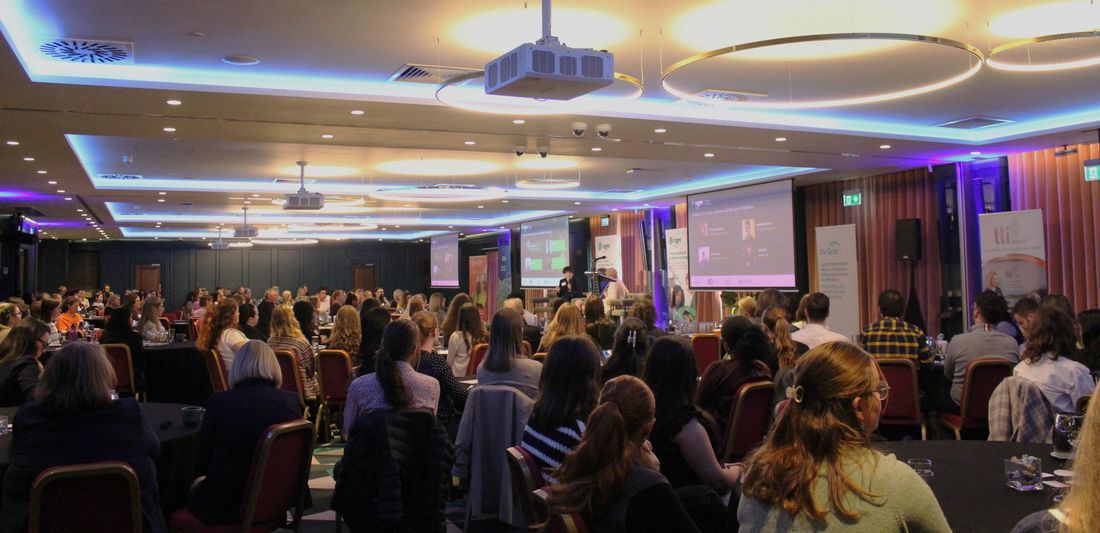
This event was the first major delivery milestone for the newly formed committee, and it quickly confirmed the level of demand. Registration exceeded expectations: the event became oversubscribed, and a waiting list was formed. While we would always like to accommodate everyone, the strong response was encouraging. It demonstrated that there is a large community looking for opportunities to engage both for technical learning and for professional connection. The audience profile also reflected our intention to be cross-disciplinary. Attendees included engineers, planners, market and policy professionals, sustainability specialists, and early-career participants seeking to understand where they could contribute. That variety strengthened the discussion, particularly during Q&A, where questions frequently linked technical detail to delivery realities such as timeframes, permitting, stakeholder expectations, and resourcing.
Opening remarks and sector-level support
The event was opened by the Secretary General of the Department of the Environment, Climate and Communications (DECC), Oonagh Buckley, signalling meaningful support from a senior level of public service leadership. The opening set an important tone: that the energy transition is a national priority, and that the capability and diversity of the workforce matter in delivering it. For WiE Ireland, this was particularly significant. Visibility and endorsement help new initiatives establish legitimacy, attract broader participation, and encourage organisations to empower employees, especially early-career professionals, to engage in sector networks alongside their day-to-day roles.
Programme highlights: themes, speakers, and discussion
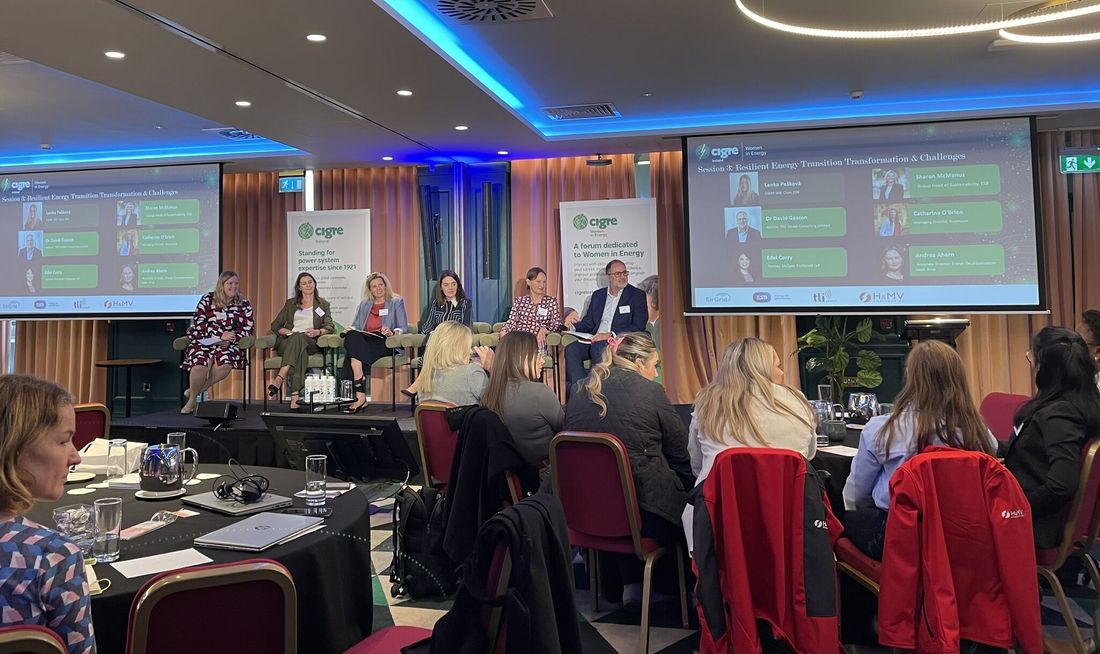
Across the day, speakers provided high-level perspectives on the sector’s direction while grounding their contributions in practical experience. The day’s theme was ‘Resilience in the Energy Transition’ with session topics such as:
- Maintaining System Resilience through the Energy Transition
- Growing a Diverse and Resilient Workforce
- Resilient Energy Transition Transformation & Challenges
- Navigating Personal Resilience
The most valuable moments often came in the interaction between themes. Questions from the audience linked topics such as network delivery challenges to market signals, or workforce planning to the pace of new connections. These cross-links reinforced our earlier decision to broaden the scope beyond engineering.
What we learned in real time
Three observations stood out on the day:
- There is strong demand for technically grounded community. People want more than networking; they want spaces where they can discuss real issues, learn from peers, and build confidence in their understanding of the system.
- Inclusive events benefit everyone. A programme designed to be accessible across backgrounds did not reduce technical quality. It improved participation and the range of questions asked.
- Momentum needs structure. Interest is not enough on its own; it must be channelled into a rhythm of events, communications and opportunities for members to contribute.
Conclusion: outcomes and what comes next
By any measure, the event was a success: a highly engaged audience and clear appetite for future activity. It also delivered tangible outcomes for the wider sector community. We saw new members expressing interest in joining CIGRE, and we heard from participants - both engineering and non-engineering, who valued having a forum that reflected the full breadth of the industry. For the committee, the day validated the core premise behind WiE Ireland: that strengthening inclusion and strengthening technical capability can be mutually reinforcing goals. When more people see themselves as part of the energy conversation, the sector gains more perspectives, more ideas, and ultimately more capacity to deliver complex change. Looking ahead, we plan to build on this foundation through a consistent programme of events and communications, and by creating opportunities for members to take active roles whether this is through speaking, mentoring, contributing to technical working groups, or supporting outreach to students and early-career professionals. In the context of Electra’s commitment to highlighting stories from Women in Energy around the world, WiE Ireland’s experience offers a simple message: momentum is valuable, but it becomes transformative when it is organised, inclusive, and sustained. We look forward to continuing the work and to staying connected with WiE groups globally as we learn from one another’s approaches and impact.
Acknowledgements
With thanks to our speakers, sponsors, partners, and all attendees who contributed their time, expertise, and questions and to the WiE Ireland committee whose commitment made the event possible. Special thanks to Orla Burke and Bruna Dos Santos – leaders of our event committee, from the venue negotiations to the speaker list, they were the backbone of it all.
Suggested content