Bridging Academia and Industry: Strengthening Collaboration through Women in Energy Initiatives
The accelerating energy transition is reshaping power systems worldwide, demanding unprecedented levels of innovation, interdisciplinary cooperation, and adaptability. As power systems evolve towards higher shares of renewable energy, increased digitalisation, and growing system complexity, the traditional boundaries between academia and industry are becoming increasingly blurred. In this context, effective collaboration between research institutions and industrial stakeholders is no longer optional but essential.
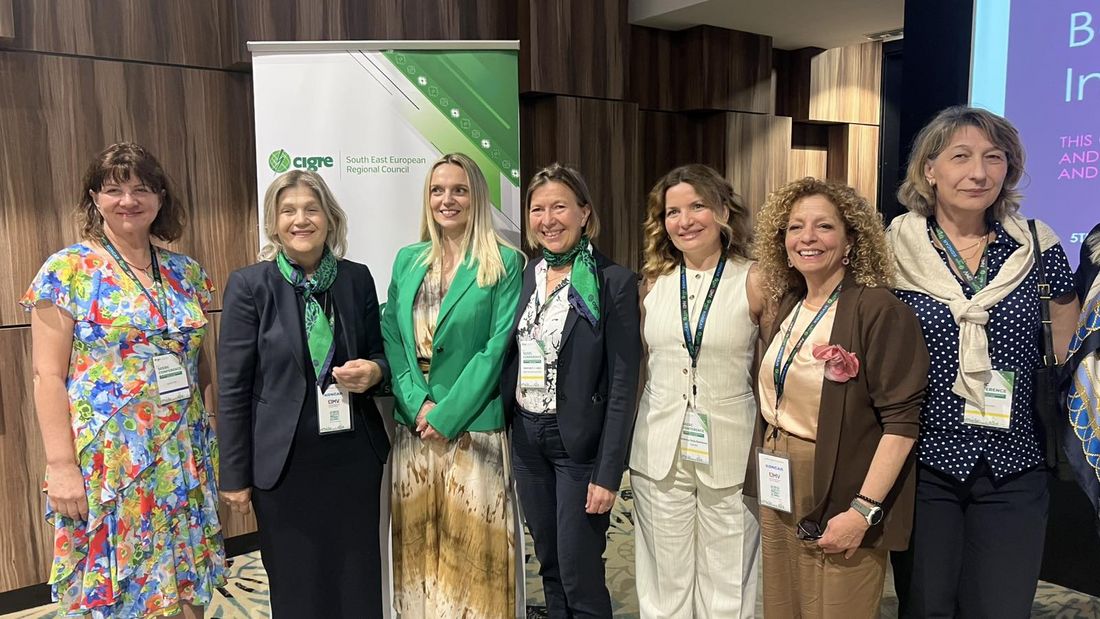
Group photo from the Women in Energy session “Bridging Academia and Industry” at the 5th CIGRE SEERC Conference, Sarajevo, June 2025. From left to right: Mihaela Albu, Pranvera Dobruna Kryeziu, Maja Muftić Dedović, Rannveig Loken, Andreea Paula Bădulescu, Paola Verde, Sejda Kruščica – Fejzić
by Assist. Prof. Maja Muftić Dedović, University of Sarajevo, Faculty of Electrical Engineering, Bosnia and Herzegovina
Chair of Women in Energy (WiE) Bosnia and Herzegovina
Introduction
Within this evolving landscape, the role of women in energy has gained growing visibility, not only from the perspective of gender equality, but also as a strategic contributor to innovation, leadership, and knowledge exchange. The Women in Energy (WiE) initiative within CIGRE has emerged as a key platform for fostering dialogue, collaboration, and capacity building across regions and professional domains.
This article reflects on the Women in Energy panel “Bridging Academia and Industry”, organised as part of the 5th CIGRE South-East European Regional Council (SEERC) Conference, held in Sarajevo in June 2025. The panel offered a unique opportunity to examine how women contribute to connecting academic research with industrial practice, and how such collaboration can be strengthened to support the energy transition in South-East Europe and beyond.
The SEERC Conference
The CIGRE SEERC region comprises 17 national committees and represents a diverse yet interconnected energy landscape. During the 2023–2025 presidency led by Bosnia and Herzegovina, SEERC activities intensified through a series of high-level meetings, workshops, colloquia, and working group initiatives, culminating in the successful organisation of the 5th SEERC Conference in Sarajevo.
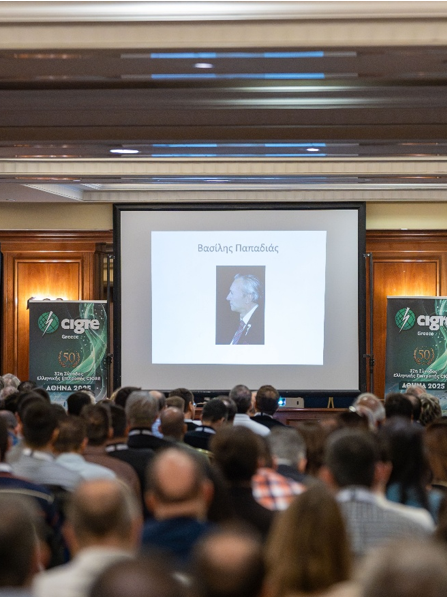
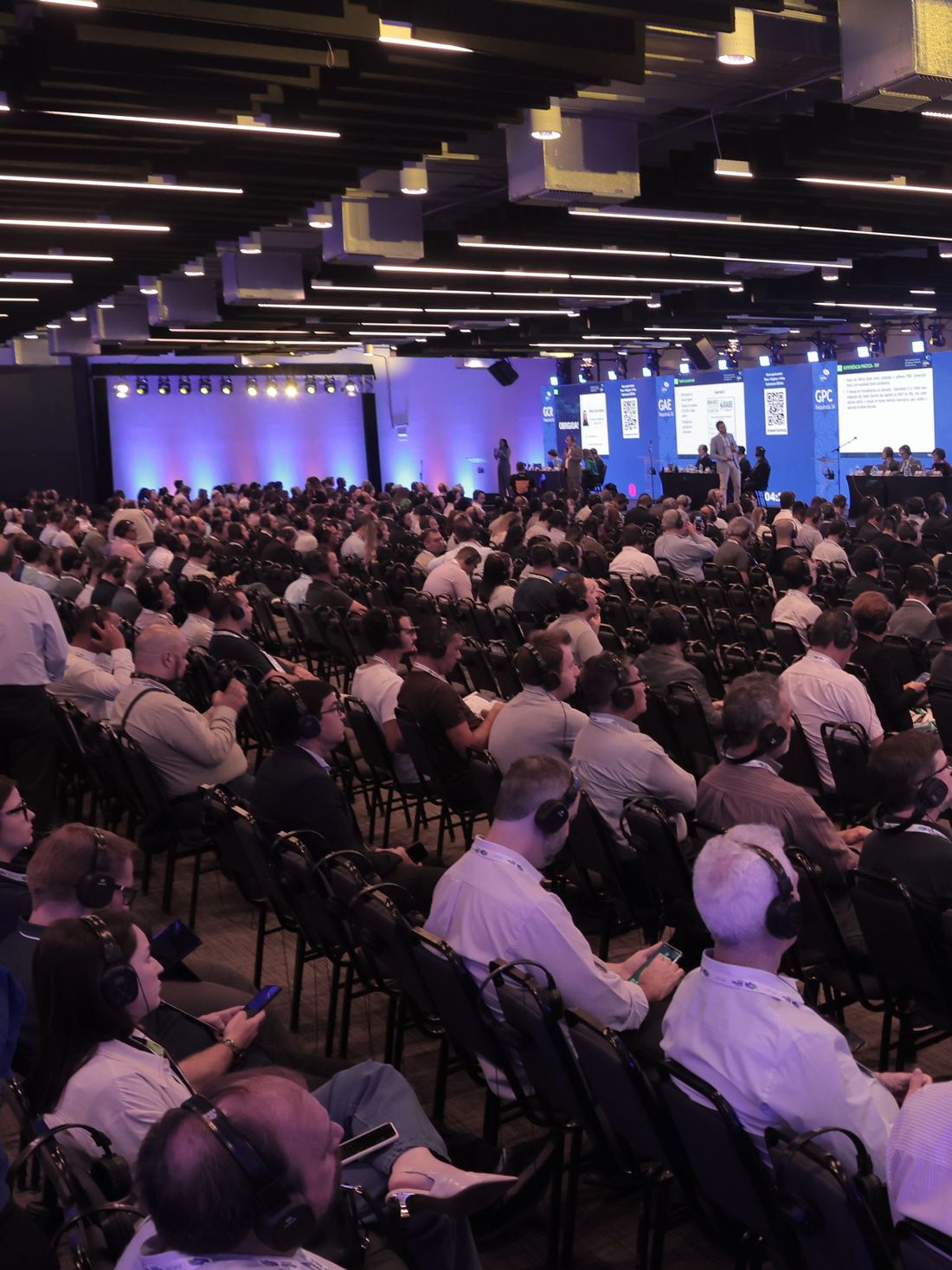
The conference brought together over 400 participants from more than 20 countries, with 137 accepted technical papers addressing key topics such as energy efficiency, renewable energy integration, digitalisation, market development, and power system resilience. Beyond technical sessions, the conference programme featured several thematic panels, including those dedicated to history, next-generation networks, and gender diversity in the energy sector.
The Women in Energy panel stood out as a strategic forum aimed at addressing human capital development, leadership, and collaboration dimensions that are increasingly recognised as critical enablers of technical progress.
Women in Energy Panel: Objectives and Structure
The WiE panel titled “Strengthening the Bridge Between Academia and Industry” was designed to explore practical pathways for enhancing cooperation between research institutions and industrial organisations.
The panel brought together distinguished representatives from academia, industry, and CIGRE leadership, reflecting diverse career paths and regional perspectives. The panelists included:
- Rannveig Loken, Vice-President of CIGRE, Norway
- Mihaela Albu, Professor, Politehnica University of Bucharest, Romania
- Paola Verde, Professor, University of Cassino and Southern Latium, Italy
- Andreea Paula Bădulescu, Engineer, Hitachi Energy Italy S.p.A., Italy
- Pranvera Dobruna Kryeziu, President of CIGRE Kosovo
The discussion focused on key themes related to:
- challenges faced by women in academia and industry,
- the preparedness of academic institutions for evolving industry needs,
- the role of interdisciplinary research,
- mechanisms for talent development and retention,
- the importance of regional and international cooperation,
- mentorship, visibility, and leadership development.
In preparation for the panel, a short questionnaire was conducted among women active in academia, industry, and CIGRE National Committees. The responses provided valuable insight into common challenges, motivations, and expectations, and served as a foundation for the panel discussion.
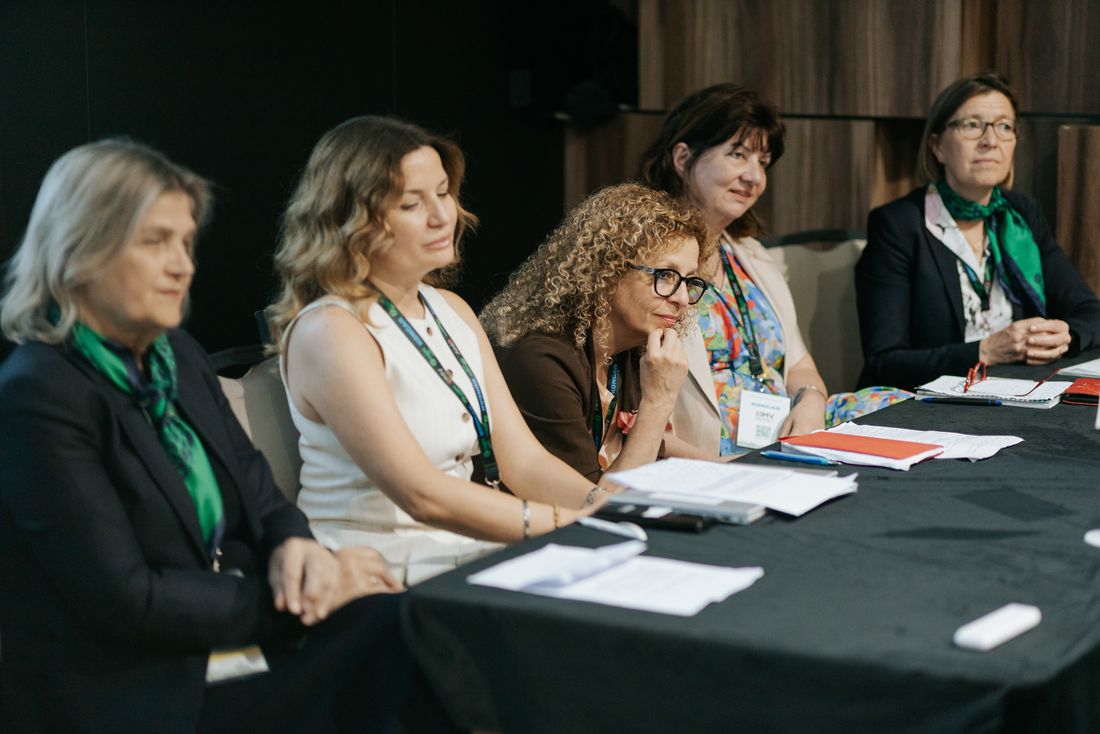
Panelists of the Women in Energy session “Bridging Academia and Industry” at the 5th CIGRE SEERC Conference, Sarajevo, June 2025. From left to right: Pranvera Dobruna Kryeziu (President of CIGRE Kosovo), Andreea Paula Bădulescu (Hitachi Energy Italy S.p.A., Italy), Paola Verde (University of Cassino and Southern Latium, Italy), Mihaela Albu (Politehnica University of Bucharest, Romania), Rannveig Loken (Vice-President of CIGRE, Norway).
Key Insights from the Panel Discussion
Shared Challenges and Opportunities
A recurring theme throughout the panel was the persistent gap between academic research and industrial implementation. While universities are often at the forefront of developing advanced methods, models, and technologies, industry operates under constraints related to cost, regulation, timelines, and system reliability. Women active in both domains highlighted the importance of mutual understanding and early engagement to ensure that research outcomes are relevant, applicable, and scalable.
Panelists emphasised that women often act as effective intermediaries, capable of translating complex technical concepts into practical solutions and facilitating communication across organisational boundaries.
Education for a Changing Energy Sector
Academic institutions were encouraged to continuously adapt curricula to reflect emerging technologies, regulatory frameworks, and interdisciplinary requirements. Beyond technical expertise, skills such as systems thinking, communication, data analytics, and socio-economic awareness were identified as increasingly essential.
The panel highlighted the value of joint industry–academia initiatives, including guest lectures, internships, collaborative research projects, and co-supervised theses, as effective tools for preparing students for real-world challenges.
Interdisciplinary Research and Leadership
Interdisciplinary collaboration was identified as a key enabler for innovation, particularly in areas such as smart grids, digitalisation, and energy system resilience. Women researchers were encouraged to take leadership roles in interdisciplinary projects, leveraging their diverse skill sets and collaborative approaches. Leadership not only enhances research impact but also contributes to greater visibility of women in technical decision-making processes.
Industry Perspectives: Talent Development and Inclusion
From the industry perspective, panelists stressed the growing need for a skilled and adaptable workforce capable of navigating rapid technological change. Industry–academia collaboration was seen as crucial for aligning educational outcomes with market needs.
Successful industry-led programmes were highlighted, including mentorship schemes, leadership development initiatives, and diversity-focused recruitment strategies. These programmes not only support gender balance but also contribute to organisational resilience and innovation capacity.
The panel reinforced the message that inclusion and diversity are not merely social objectives, but strategic imperatives for the energy sector.
Regional and International Cooperation
The SEERC region presents both challenges and opportunities due to its diversity in market maturity, regulatory environments, and energy mixes. Panelists underscored the importance of regional cooperation in strengthening women’s leadership and knowledge exchange.
CIGRE was recognised as a unique global platform capable of facilitating such cooperation through its study committees, working groups, conferences, and publications. The Women in Energy initiative, in particular, was highlighted as a catalyst for cross-border collaboration, mentorship, and professional development.
The Role of CIGRE and Women in Energy
International organisations such as CIGRE play a critical role in shaping global frameworks for knowledge exchange, technical development, and gender equality. By providing neutral, expert-driven platforms, CIGRE enables dialogue between academia, industry, regulators, and policymakers.
The WiE initiative contributes to this mission by fostering visibility, networking, and leadership opportunities for women, while ensuring that diversity perspectives are embedded within technical discussions rather than treated as separate or peripheral topics.
Reflections and Lessons Learned
The Women in Energy panel at the 5th SEERC Conference demonstrated that the bridge between academia and industry is not an abstract concept, but a living process shaped by people, relationships, and shared objectives. Women are already actively contributing to this process—as researchers, engineers, managers, and leaders.
Key lessons emerging from the panel include:
- early and continuous collaboration enhances relevance and impact,
- mentorship and role models are critical for confidence and retention,
- interdisciplinary approaches strengthen innovation,
- regional cooperation amplifies individual efforts,
- inclusion supports both social progress and technical excellence.
Conclusions
As power systems continue to evolve, strengthening collaboration between academia and industry will remain a central challenge. The experience of the Women in Energy panel at the 5th CIGRE SEERC Conference illustrates how structured dialogue, shared experiences, and inclusive leadership can contribute to addressing this challenge.
By empowering women to act as bridges between research and practice, the energy sector can better harness its collective expertise and accelerate the transition towards resilient, sustainable, and innovative power systems. CIGRE, through its regional and global initiatives, remains a key enabler of this process supporting not only technological advancement, but also the people who drive it forward.
Suggested content