Canadian Wildfires, Climate Change, and Opportunities for Electric Utilities to Tackle Them Together
Canada’s wildfire season got off to an early start, with unprecedented impacts across the country. Earlier this year, NASA confirmed that wildfires have indeed gotten worse globally – in intensity, severity, geographic area burned, and the duration of the wildfire season. Not only does this greatly and negatively affect the ecosystem, but human health as well. In this article, learn about some of the actions electric utilities in the region are taking to mitigate these risks, and how they are learning from their peers around the globe.
By Stewart Ramsay, Vanry Associates
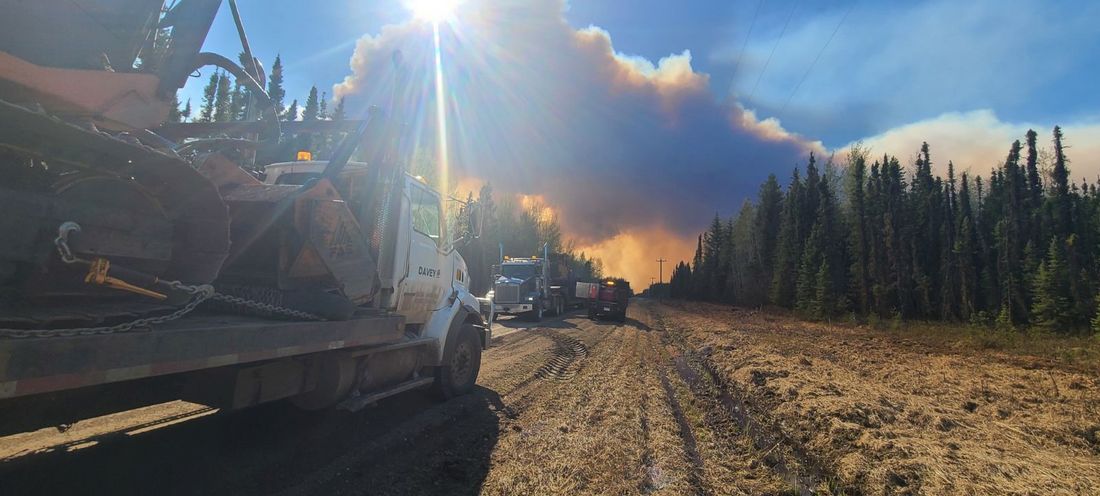
Canada is on fire and is experiencing its worst wildfire season of the 21st century [1].
The early season fires have impacted several provinces, but have had particularly strong impacts in Alberta, Ontario, and Quebec. While the fires are occurring within the typical wildfire season, which runs from May to October, it is rare to have such devastation this early in the year [2]. As of June 28, the Canadian Interagency Forest Fire Centre was tracking 500 active fires across Canada, and counted 3,030 fires [3]. All told, the fires, to that point, had scorched 8 million hectares of land – the highest total since the country began tracking this type of information in 1983. For additional perspective, the total land burned, as of June 28, for the current fire season had already surpassed the season total for 1995 which saw 7.1 million hectares burned, but from 8,106 individual fires and across the entire 5-month season [4].
Wildfires are common in Canada and typically occur around the same time each year. The heaviest impacts from fires are usually felt in the western provinces, such as British Columbia, Alberta, and Saskatchewan, and indeed Alberta declared a provincial state of emergency due to significant early season fires in May [5]. This year, however, even the eastern provinces of Nova Scotia, Quebec and parts of Ontario have been significantly affected.
Within the first two months of the season, the total burned area in Canada had already reached three times that of last year. There was significant concern among residents as the wildfire season was far from over. The season typically peaks in the warmer months of July and August [6].
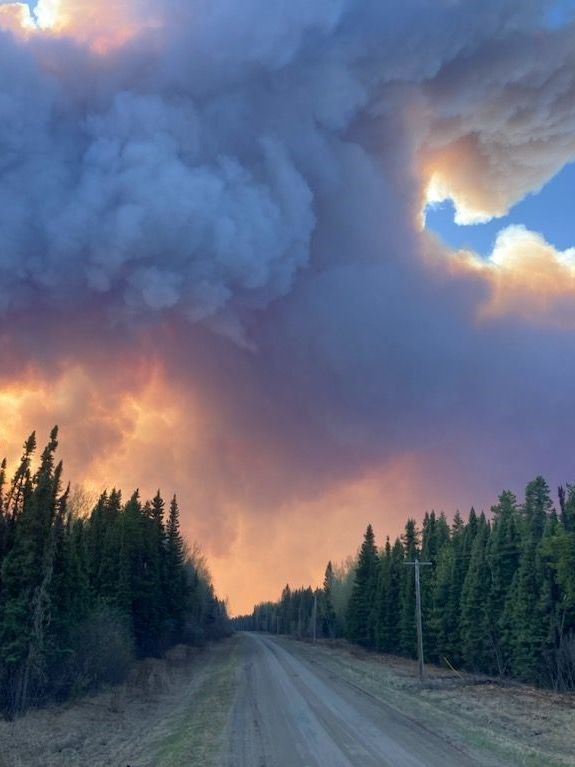
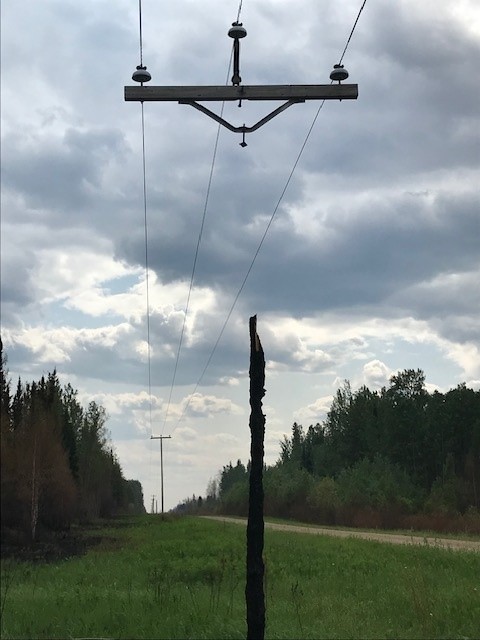
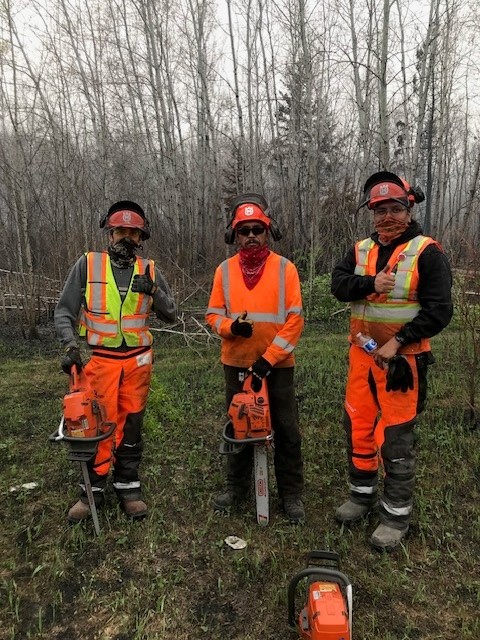
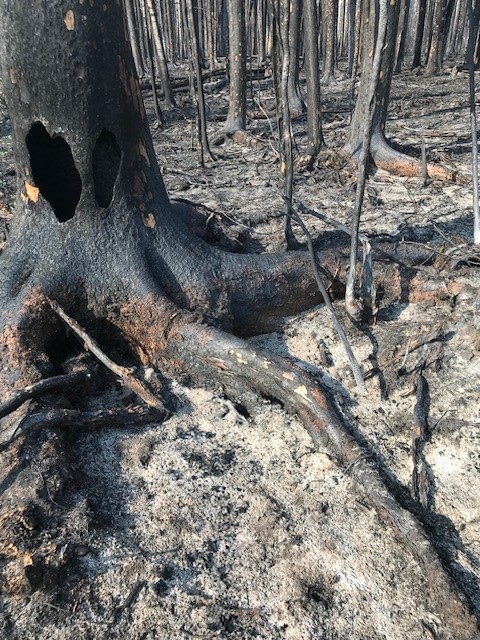
Three ingredients must be present for wildfires to emerge and thrive, according to Michael Flannigan, Professor of Wildland Fire at Thompson Rivers University in British Columbia: fuels such as dry grass, shrubs and trees; an ignition source, whether natural (lightning) or human-caused; and lastly, hot, dry and windy weather. Unfortunately, all three elements have been observed throughout Canada this year [7].
The unrelenting blazes have forced evacuations of hundreds of thousands of residents in different parts of the country. Significant Air quality impacts have first been felt across Canada and in several US states. According to the tracking service IQAir, New York City had the worst air quality in the world on the morning of June 9 [8]. Further developments showed that the smoke had also crossed the Atlantic Ocean to reach western Europe [9].
As Canada's firefighting resources are stretched. the United States is supporting suppression efforts by providing additional firefighters, support personnel, and firefighting equipment [10]. The European Union has also sent firefighters to help their Canadian counterparts tackle these unprecedented events. [11]
A video posted by NASA in January confirmed that wildfires have indeed gotten worse across North America – in intensity, severity, geographic area burned, and the duration of the fire season. The culprit appears to be changes in climate, and unfortunately the impacts have been detrimental to both the ecosystem and overall human health. [12]
“Wildfire risk remains top of mind for ATCO Electric—our service area is uniquely challenging due to its forests and the impacts of the mountain pine beetle on many of those forests,” says Kumail Moledina, VP, Engineering, ATCO Electric.
“We’re a resilient organization and have responded well to wildfires in Alberta including the Slave Lake fire of 2011, the Fort McMurray fire of 2016, the Chuckegg (High Level) fire of 2019, and the Chetamon (Jasper) fire of 2022. We need to continue to adapt as wildfire risks evolve.”
ATCO Electric is an active participant in the International Wildfire Risk Mitigation Consortium (IWRMC). The IWRMC is an industry-sponsored collaborative designed to facilitate the sharing of wildfire risk mitigation insights and discovery of innovative and unique utility wildfire mitigation practices from across the globe. Members meet every month to discuss emergent issues, hear presentations from members, vendors, and other stakeholders, and share best practices among their international electric utility peers.
“ATCO has undertaken complex modelling of wildfire risks in our service area and are continually adapting our vegetation management, engineering standards, and asset management practices to deliver safe, reliable, and affordable service for our customers and communities.”
In line with the main goal of mitigating wildfire risks, Member Utilities exchange views on the ideas, experiences, and lessons learned on electric utility topics and wildfire-related subjects, such as overhead distribution lines solutions, marker balls, and covered conductors' risk and benefits; topics that have been discussed only over the past few Members-Only Monthly Meetings, and new themes arise as a new month enters. Moreover, the floor remains open for safety reminders and emergent issues that Members wish to delve into.
In mid-May, Australian Member Utilities took part in reviewing their post-summer season run to give an insight on the challenges they faced during the recently concluded period to give utility colleagues an overview of the wins had, challenges encountered, and how they coped with each—a discussion that other Member Utilities leverage as they each go through their service territory's wildfire season.
Meanwhile, in another open forum, American and Australian members had their fair share of time to go through the initiatives and programs each utility has undertaken using the LiDAR, Digital Twin, and Satellite Monitoring technologies, may it be for risk mitigation, asset inspection and maintenance, and vegetation management. Vendor and service provider reviews and recommendations are likewise part of the conversation, too.
The enlivened discussions on timely and relevant matters are a testament to the IWRMC Program's system of working and networking channels between members of the global utility community that supports and accelerates the sharing of data, information, technology, and practices, and proactively addresses wildfire-related issues through learning, innovation, analysis, assessment, and collaboration.
Utilities such as ATCO and the other members of the IWRMC have seen clearly the immense value in having the ability to share openly and learn from each other regarding what is working and what isn’t. Knowledge sharing regarding effective technologies, processes, practices and the impacts of externally driven policies, have enabled the utilities to strengthen their prevention, mitigation and recovery efforts. It has also improved their ability to engage with and work with stakeholders. The ability to bring real world examples forward from other utilities enables them to move discussions forward more quickly and effectively.
The utilities facing the greatest wildfire risks have recognized that this is a critical issue for the industry and not one that they can face alone. Learning and sharing of knowledge is essential, for their own and for the industry success, and for the safety and well-being of their customers and the communities that they serve.
Banner & thumbnail credit: shootthebreeze on iStock
- [1] www.ctvnews.ca/canada/canada-is-experiencing-its-worst-wildfire-season-of-the-21st-century-blair-1.6438723
- [2] www.cbsnews.com/news/how-did-the-wildfires-in-canada-start-cause-nova-scotia-quebec/
- [3] www.ciffc.ca
- [4] globalnews.ca/news/9778619/2023-one-of-canadas-worst-wildfire-seasons/
- [5] people.com/canada-wildfires-2023-everything-to-know-7509251
- [6] edition.cnn.com/2023/06/10/us/canada-wildfire-season-us-impact-climate/index.html
- [7] edition.cnn.com/2023/06/10/us/canada-wildfire-season-us-impact-climate/index.html
- [8] www.nbcnews.com/news/us-news/live-blog/air-quality-live-updates-rcna88298
- [9] edition.cnn.com/2023/06/26/americas/canada-wildfire-season-worst-2023/index.html
- [10] www.cnbc.com/2023/06/08/canada-wildfires-biden-sends-aid.html
- [11] www.ctvnews.ca/canada/nearly-350-firefighters-from-the-eu-will-help-battle-relentless-canadian-wildfires-1.6437130
- [12] science.nasa.gov/science-news/are-wildfires-getting-worse-we-asked-a-nasa-scientist
Suggested content