Envisioning the future driven by the 4th Industrial Revolution: Electrification, Network Convergence, Vehicle to X and Utility 3.0
To envision the future brought about by the coming Fourth Industrial Revolution, let us look at the history of the Industrial Revolution in terms of a network diagram. The network diagram helps us understand the impact of electrification on society.
By Hiroshi Okamoto, PhD CTO, TEPCO Power Grid Chair, CIGRE Japan
Industrial Revolution gave humanity access to greater mechanical power than ever before. Later, in the Second Industrial Revolution, electricity and automobiles were introduced and popularized. This was the result of Henry Ford's invention of the conveyor belt system, replacing the steam engine with distributed electric motors, and the mass production of automobiles with internal combustion engines (ICEs). It was the electrification of the factory that made the automobile possible. The disruptive changes in the factory brought about by electrification can be seen in Figure 1.
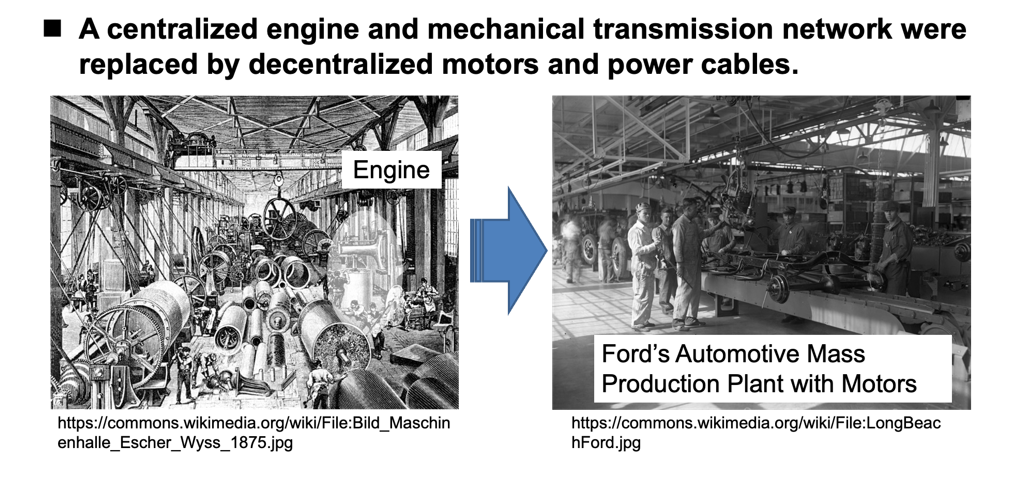
Figure 1 - Electrification: the most disruptive technology [1]
Now, a network system, or grid, is represented by nodes and branches, as shown in Figure 2, and most network systems have sources, sinks, and storage. Using this network diagram, we can represent the network changes that the Second Industrial Revolution brought to the factory, as shown in Figure 3. On the right side of Figure 3, we see that mechanical and electrical networks have merged, enabling dramatic productivity gains.
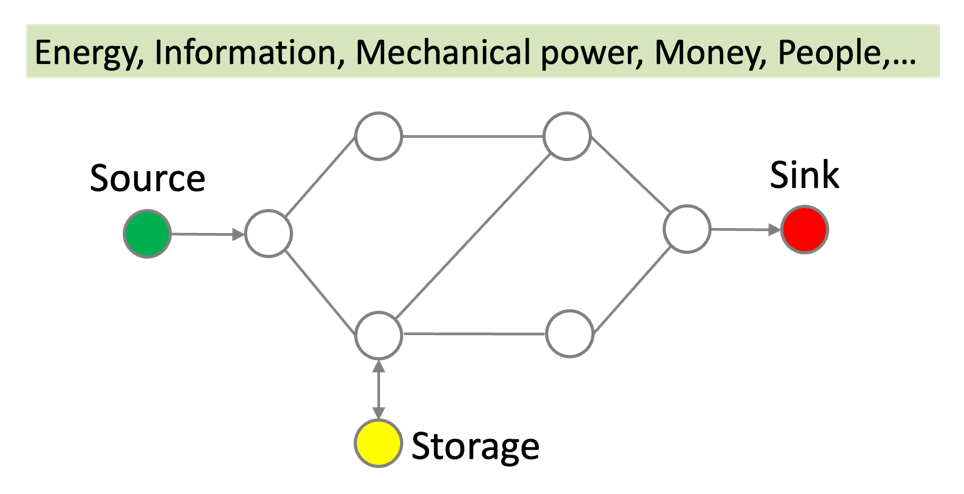
Figure 2 - Grid: network systems
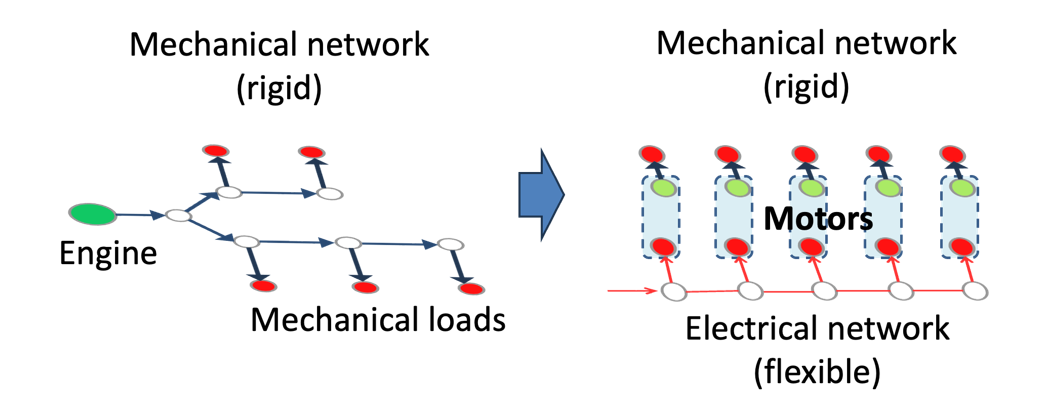
Figure 3 - Network convergence in the 2nd industrial revolution: electrification of mechanical power in factories
This was followed by the Third Industrial Revolution, in which computers became widespread and began to automate human intellectual activities. The Third Industrial Revolution led to the creation of information networks in addition to energy networks. Today, computers are networked through the Internet, and there is a shift from client-server systems to distributed computing.
As shown in Figure 4, network convergence is also occurring in the human body. It is becoming clear that the vascular and nervous networks are closely related and interact with each other to achieve the advanced biological functions of the human body. It is useful to use the vascular system as an analogy for the power grid and the nervous system as the digital infrastructure. In this light, we can see that the human body is the fundamental system for the cyber-physical fusion of the Fourth Industrial Revolution that is about to take place.
Currently, the energy consumption of digital infrastructure such as data centers is growing rapidly in many regions. Considering that the brain's oxygen consumption is about a quarter of that of the human body, the energy consumption of digital infrastructure must be limited to about 20-30% of that of society as a whole, or else we will be a society with an intoxicating mind-body imbalance.
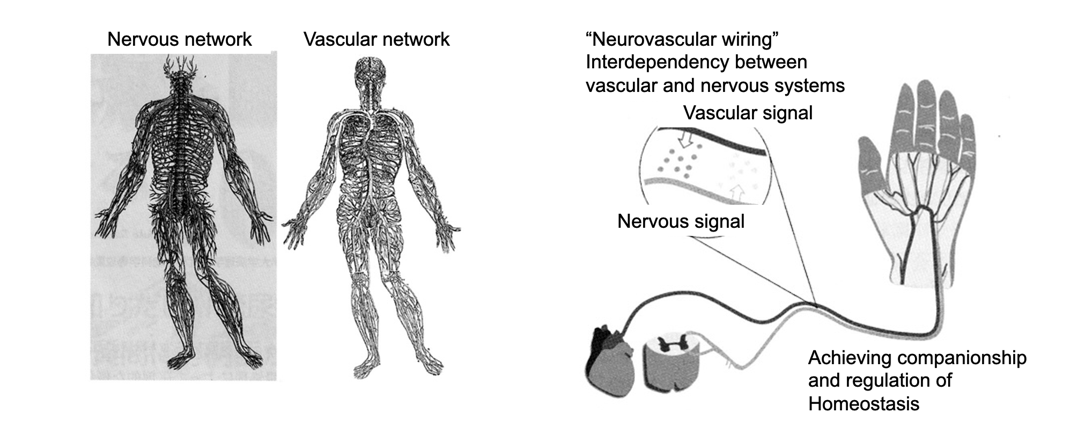
Figure 4 - Network convergence in the human body [2]
The electrification of the automobile, which has already begun, brings interesting changes in terms of network convergence. Previously, cars were powered by a mechanical network of four wheels from a single ICE, as shown in Figure 5, left. Expressed in a network diagram, today's car is isomorphic to a pre-Second Industrial Revolution factory (see Figure 3).
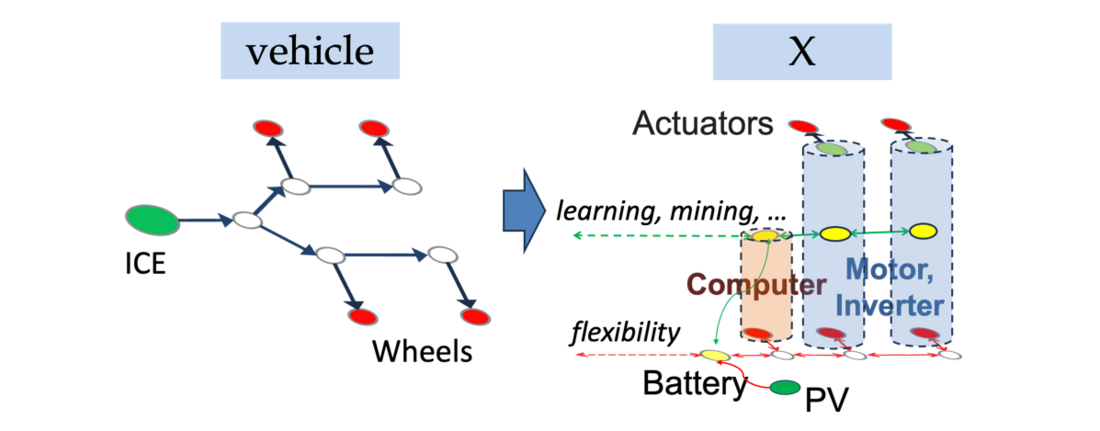
Figure 5 - Network convergence in the 4th industrial revolution: electrification everywhere
To make this more sophisticated in terms of network convergence, let us consider the vascular system and the nervous system simultaneously in the mechanical network on the left in Figure 5. Then we can see that an inverter motor would create convergence between the electrical and mechanical networks, and an automated computer would create convergence between the electrical and information networks, as shown in Figure 5 right.
The machine thus created can no longer be called a car, so we use the term "X" here. In other words, the electrification of the car produces the vehicle-to-X. Note that this terminology is somewhat unusual: X is a mobile robot for its immediate users, but for society as a whole it is a mobile storage battery and a mobile distributed computer.
When X is not working as a robot, it can be said to be the ultimate flexible energy resource, making the community carbon neutral and resilient, reorganizing and re-learning wisdom for the benefit of society, and authenticating value exchange and generating virtual currency through mining. Recent research in mice has shown that during REM sleep, blood flow in the brain's capillaries increases and neurons in the cerebral cortex actively exchange substances [3], and this activity can be called "X's dreams" or "X's REM sleep mining".
Energy efficiency can be further improved by recovering the waste heat from X's computer and using it in a heat pump (X's inverter motor drives the compressor).
In addition, as electrification progresses, boilers in factories will be replaced by distributed heat pumps and other devices, as shown in Figure 6, and heat can be delivered at optimal temperatures while replacing steam pipes that cause large losses in factories and other facilities. In addition, unlike heat and steam, electricity is easy to measure, which greatly improves the ability to control the heating process.
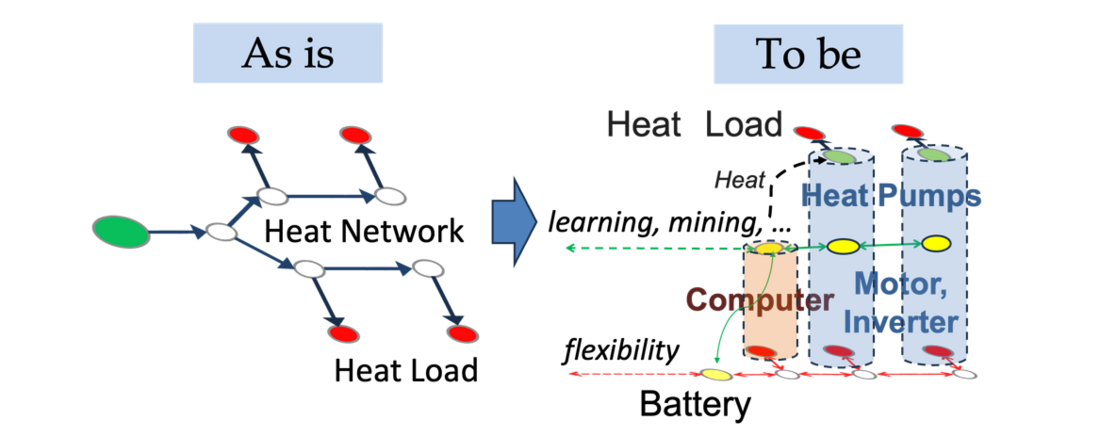
Figure 6 - Electrification of Heat Everywhere
If we look at the fractal structure of the universe, X will have a nested structure. To consider this, we have rewritten X in a more generalized form in Figure 7. If we generalize to this extent, houses, shops, farms, factories, etc., which are composed of multiple Xs, can be expressed as Xs, as can local communities as an aggregate of such communities, and the entire Earth as an aggregate of local communities. Note that since X itself is a network system, it is necessary to consider the capacity constraints of the internal power network when aggregating X. In other words, X is a machine that takes energy as input and user experience as output.
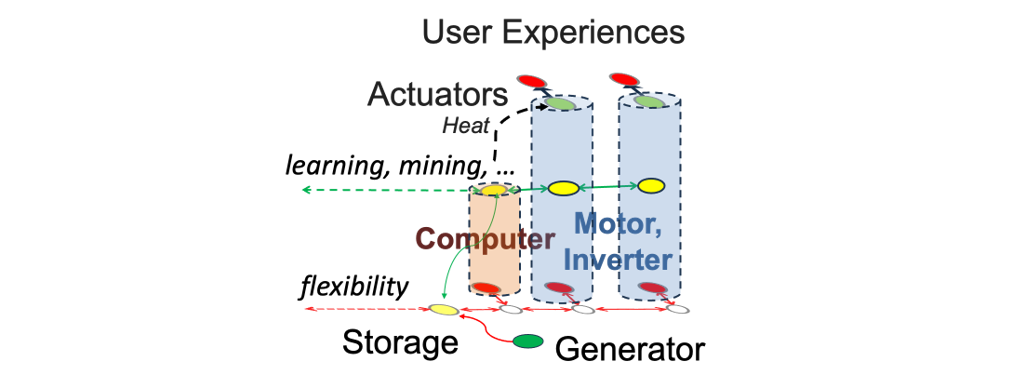
Figure 7 - Generalized representation of X
Given this hierarchical structure of X and the hierarchical structure of the power grid, we can think of Utility 3.0 (Figure 8) as a mechanism to operate them in a holistic and optimal manner to create a user experience for the entire world. The author defines Utility 3.0 as follows.
"An integrated network system that creates well-being through both social sustainability and a dramatic increase in productivity by actively intervening in the value creation process in daily life and industry through services such as mobility (= actuators) by sending signals such as price and frequency from the power system".
Agile Energy X, a subsidiary of TEPCO Power Grid, also integrates a value exchange network through a node called "mining equipment" by Proof of Work, storing energy as bitcoin on the value exchange network and trying to realize behavioral changes that lead to a sustainable society itself. It also seeks to achieve behavioral changes that lead to a more sustainable society. [4]
Utility 3.0 couples a decentralized exchange with a national market, allowing for matching that considers the capacity of the electricity network, and can transmit price signals with fine spatial and temporal granularity. Although details are omitted, large-scale global optimization is possible by using distributed hierarchical optimization methods. TEPCO Power Grid is planning to conduct regional demonstrations with various partners with the aim of realizing this system by around 2030.
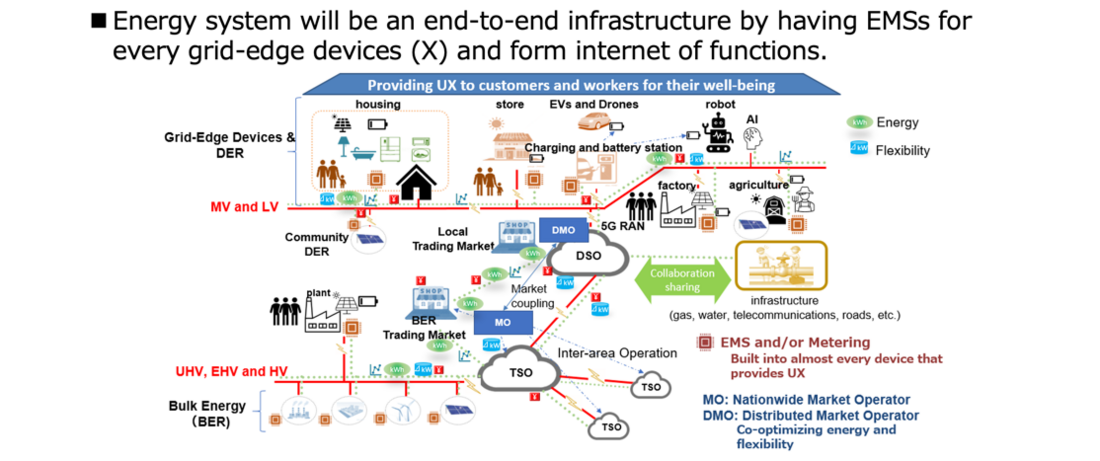
Figure 8 - Draft implementation plan for Utility 3.0 by 2030 [5]
In conclusion, we can say that the coming 4th Industrial Revolution will bring about a planet where physical space and cyberspace are merged through the power grid, and various distributed X's are utilized as an aggregate through networks and coexist in harmony with humans. We call this "Energy with X".
As a result of our enslavement to the wheat and rice gene, human beings have been forced to settle down and be dominated by the land, and have developed our civilization by concentrating our population in cities. In the future, however, through symbiosis with the dispersed X, we will no longer need to be tied to the land, and we will be able to live more freely, interacting with many people in real and cyberspace through the metaverse, developing productivity and creativity.
Furthermore, in the future, the use of quantum computers will become commonplace, and the mystical spiritual culture of mind-body oneness believed in the East since ancient times will merge with modern science created mainly in the West. [6]
To realize the society described here, the following issues should be addressed in the immediate future.
- The overall architecture shown in Figure 8 must be envisioned from a human-centered perspective through the global exchange of diverse ideas, consensus building, and implementation in a manner and priority tailored to each region.
- To build a mechanism in which the autonomous and decentralized activities of X lead to the overall optimization, the information exchanged among X should be defined. In particular, the distribution of price signals with high temporal and spatial granularity is of paramount importance to induce Xs to change their behavior accordingly.
- End-to-end security and cybersecurity must be established as a mechanism.
- Knowing that it is the soul that controls the human body and mind, we can understand that it is also the human soul that controls the body and mind of X. As the power of X grows stronger toward the singularity, if our souls are evil, X can destroy the "only one earth" in an instant. Therefore, it is necessary for everyone to understand that the most important thing for the sustainability of our finite lives and Spaceship Earth is to keep improving our own souls.
It is up to us to decide whether X will bring happiness to this world or, conversely, end the earth. According to Roger Penrose's Conformal Cyclic Cosmology (CCC) [8], the universe is in a perpetual cycle of reincarnation, so we must be aware that what is just one iteration of agile development for the Creator can have irreversible consequences for those of us living in an ever-increasing entropy finite world.
I would like to thank the many people, including colleagues and the deceased, who discuss with the author daily and offer various ideas. I hope this short article will help as many readers as possible as food for thought to realize a better future.
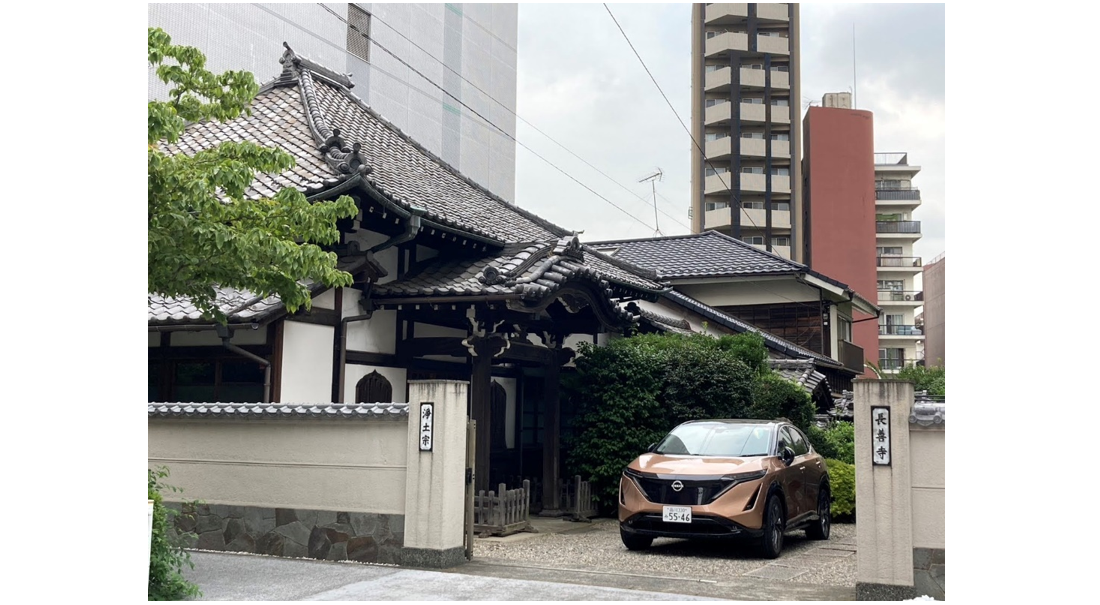
Figure 9 - Fusion of East and West in Japan: a traditional Buddhist temple "Chozen-ji" and author's EV "Nissan ARIYA"
References
- Hiroshi Okamoto, "The Fourth Industrial Revolution Empowered by End-to-End Electric Power System", ELECTRA N.328 - June 2023
- Yoshiko Takahashi, 'Regulatory mechanisms of neurovascular wiring', Vascular Medicine, Vol. 14, No. 3, Sep 2013. (In Japanese)
- Chia-Hung Tsai etal. "Cerebral capillary blood flow upsurge during REM sleep is mediated by A2a receptors", Cell Reports, August 2021.
- TEPCO Press Release, ' Formation of Agile Energy X, Inc., a New Company on a Mission to Accelerate the Introduction of Renewable Energy By flexibly creating power demand, Agile Energy X will create digital and environmental value while mitigating grid congestion.', online
- Hiroshi Okamoto, "Challenges in Japan's Power Systems to Achieve Carbon Neutral and Resilient Communities", ELECTRA N.327- April 2023
- Takuro Kishine, 'The Invisible World of the Mind, a science from quantum theory', PHP Institute, July 2017 (in Japanese)
- Tempu Nakamura, 'The Reflection of the Mind Kenshin-sho)', Tempu-kai, August 1948 (in Japanese)
- Roger Penrose, 'Cycles of Time: An Extraordinary New View of the Universe', Bodley Head, 2010
Suggested content