Building a CIGRE Women in Energy Community: The Swiss Experience
Switzerland has a long tradition of innovation in the power sector. With more than 600 utilities ensuring a reliable electricity supply, globally recognized developers, service providers and manufacturers of electrical equipment and energy infrastructure, as well as an outstanding network of experts, the country benefits from a strong and diverse energy ecosystem. Switzerland is also one of the founding members of CIGRE, having joined the organization in 1921.
By Priyanka Gugale, National Chair CIGRE Women in Energy Switzerland, Global Product Manager for Generator Circuit-Breakers at Hitachi Energy,
and Marcel Stockli, National Secretary CIGRE Switzerland
In 2024, following an initiative of the CIGRE National Committee, Switzerland became the 30th country to establish a national CIGRE Women in Energy (WiE) network. The objective was straightforward and fully aligned with CIGRE’s global vision and mission: to create a platform that supports professional development, facilitates networking opportunities, enhances visibility, and promotes the active participation of women experts in CIGRE’s technical activities, including international Study Committees and Working Groups.
While established networks such as CIGRE WiE UK already provide inspiring examples, this article shares Switzerland’s journey and the key lessons learned during the initial development phase. Our aim is to offer practical insights that may help other National Committees launch, strengthen and expand their own Women in Energy initiatives.
Step 0: Laying the Foundation
The journey began when the CIGRE Switzerland National Committee made the strategic decision to establish a Women in Energy network. Strong sponsorship from the National Committee proved to be a critical success factor, providing both direction and credibility to the initiative. Once this commitment was in place, the search for a leader to launch and shape the platform began. An important milestone came during an International Women’s Day event hosted by AXPO, which brought together women from across the energy sector. The event sparked the creation of a small but highly motivated group of professionals united by a shared vision: to build a national Women in Energy community within CIGRE Switzerland. Following an official selection process, the first National WiE Chair was appointed.
Step 1: Listening to the Community
One of the first activities undertaken by the newly established network was a survey, followed by a workshop bringing together participants from utilities, manufacturers, consulting companies and academia. The objective was to understand their motivations for joining, identify key career challenges and gather expectations for the network’s future development. The feedback was remarkably consistent. Participants highlighted four key priorities: strengthening professional networks, increasing the visibility and recognition of technical expertise, creating leadership development opportunities, and gaining access to role models and industry leaders.
Step 2: Expanding the Network Through Collaboration
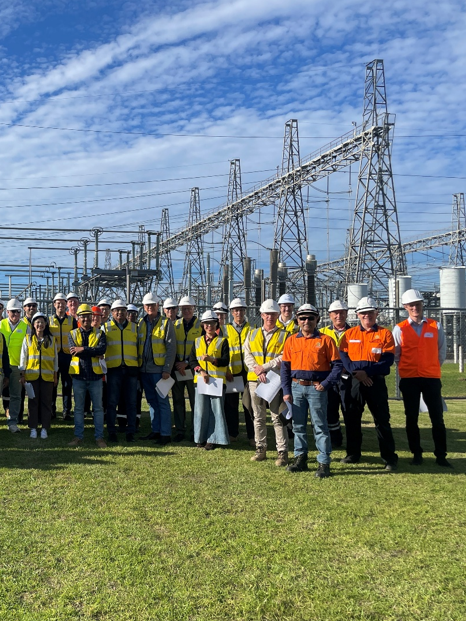
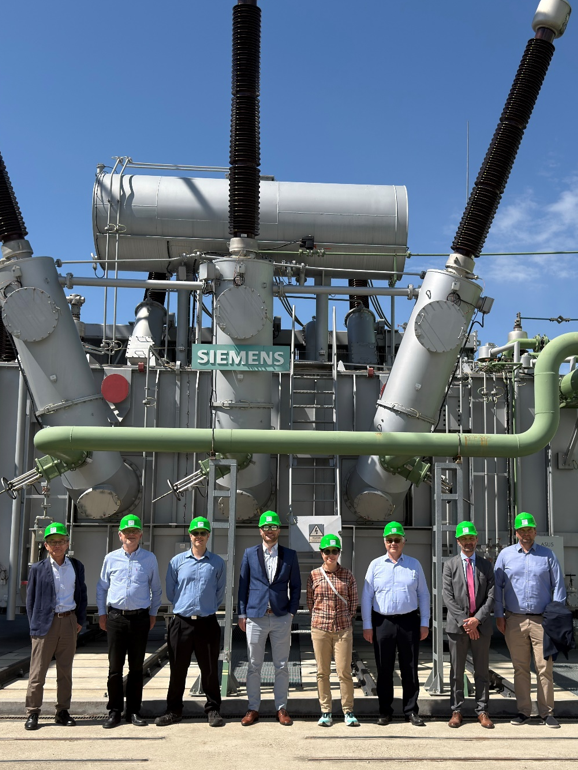
As the network continues to grow, collaboration has become a key enabler of its development. Connecting with existing professional networks in Switzerland and internationally has provided valuable opportunities to exchange experiences, share best practices and learn from different approaches to advancing diversity and inclusion in the energy sector. Technical visits to Nexans and Hivoduct combined knowledge sharing with networking opportunities, creating spaces for both professional exchange and relationship building. At the same time, engagement with external networks brought new perspectives and stimulated important discussions.
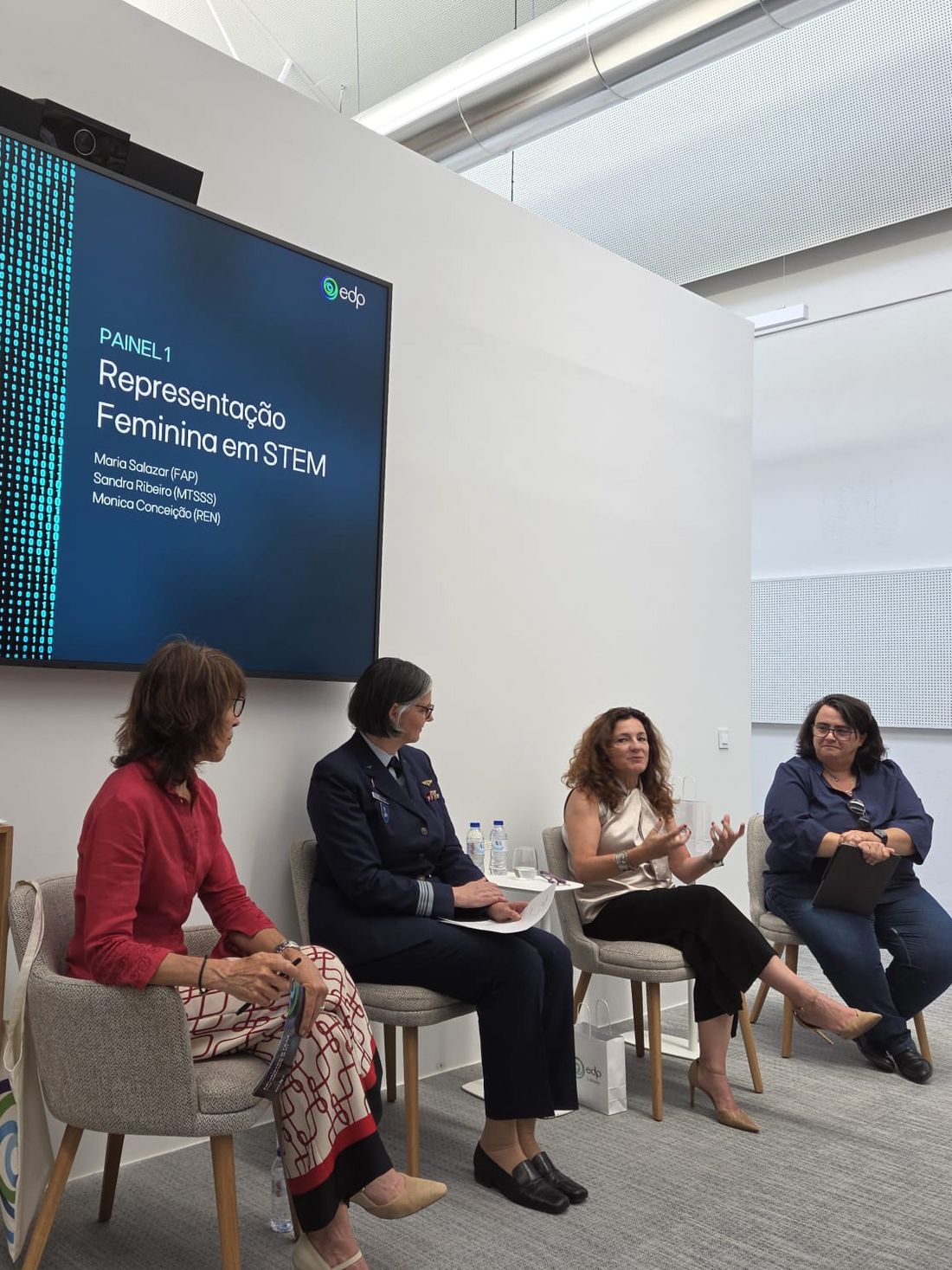
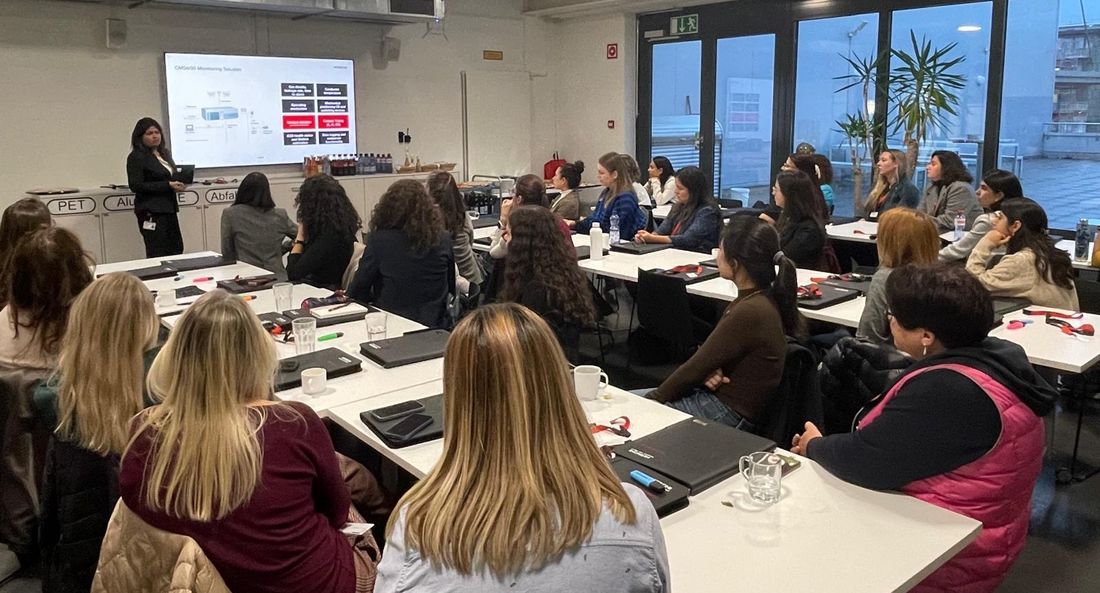
One particularly thought-provoking insight emerged during an event organized by the Swisspower Women in Power Network: “Many women are over-mentored and under-sponsored.” While mentors provide guidance and support, sponsors actively create opportunities by advocating for individuals, promoting them for leadership roles and enabling access to strategic projects. This observation reinforced the idea that, beyond networking and mentoring, increasing women's visibility and participation also requires intentional sponsorship and access to high-impact opportunities. Building on this momentum, a Hitachi Energy-sponsored event hosted at the Generator Circuit-Breaker factory brought together three dynamic networks—Hitachi Energy, CIGRE Women in Energy Switzerland and Swisspower Women in Power. More than 40 professionals from across the energy sector participated, sharing experiences, strengthening connections and exploring new ways to support women's leadership and technical contribution within the industry.
Step 3: The Most Important Lesson – Build a Team
One of the most valuable lessons we learned is that appointing a Women in Energy Chair is an essential first step, but it is only the beginning. Building a thriving and sustainable network requires much more than individual commitment. Event organization, communications, partnerships, member engagement and strategic planning cannot rely on a single person.
Creating lasting momentum requires a team, a clear structure and a shared vision. Inspired by the CIGRE UK Women in Energy Committee model, we invited members to become actively involved and contribute their skills, ideas and enthusiasm to the initiative.
By engaging with power system operators, manufacturers and women's networks across the Swiss energy sector—and by leveraging both online and in-person activities—we are gradually building a strong core team capable of turning ideas into action. This collaborative approach is helping to create a resilient and sustainable network that can continue to grow, evolve and deliver value to its members over time.
A Practical Blueprint: Key Lessons Learned
Based on our experience, we have identified several key success factors that may help other National Committees establish and grow their own Women in Energy communities:
- Define a clear objective within the National Committee to establish a Women in Energy network.
- Appoint a National WiE Chair with clear mandate and visible support from the National Committee.
- Ensure visibility by featuring the National WiE Chair on the global CIGRE Women in Energy platform.
- Integrate the National WiE Chair into global Women in Energy activities and initiatives, such as the WiE National Committee Poster at the Session and participation in relevant Study Committee meetings.
- Build a dedicated national team to support the Chair, with clearly defined roles and responsibilities.
- Listen to the needs, aspirations and challenges of women professionals within the national energy community.
- Create regular networking opportunities through a combination of online and in-person activities, including technical visits and industry events.
- Collaborate with existing networks and initiatives that share common objectives, fostering an inclusive and complementary approach rather than creating separate tracks.
- Promote sponsorship alongside mentorship to help develop future leaders and increase access to high-impact opportunities.
Looking Ahead
The experience of CIGRE Women in Energy Switzerland demonstrates that building a thriving community starts with a clear vision but succeeds through collaboration, commitment and shared ownership. While still at an early stage, the initiative has already created valuable connections across the Swiss energy sector and strengthened the visibility and engagement of women professionals within CIGRE. With the continued support of the National Committee, strong partnerships across the industry and an expanding team of committed volunteers, the network will continue to grow and contribute to a more diverse, inclusive and future-ready power sector. We hope that our experience can inspire and support other National Committees as they embark on their own Women in Energy journey.
Suggested content