Women in Energy Portugal - Conference Women in STEM in the 21st century
By Anabela Peixoto, National Chair CIGRE Women in Energy Portugal
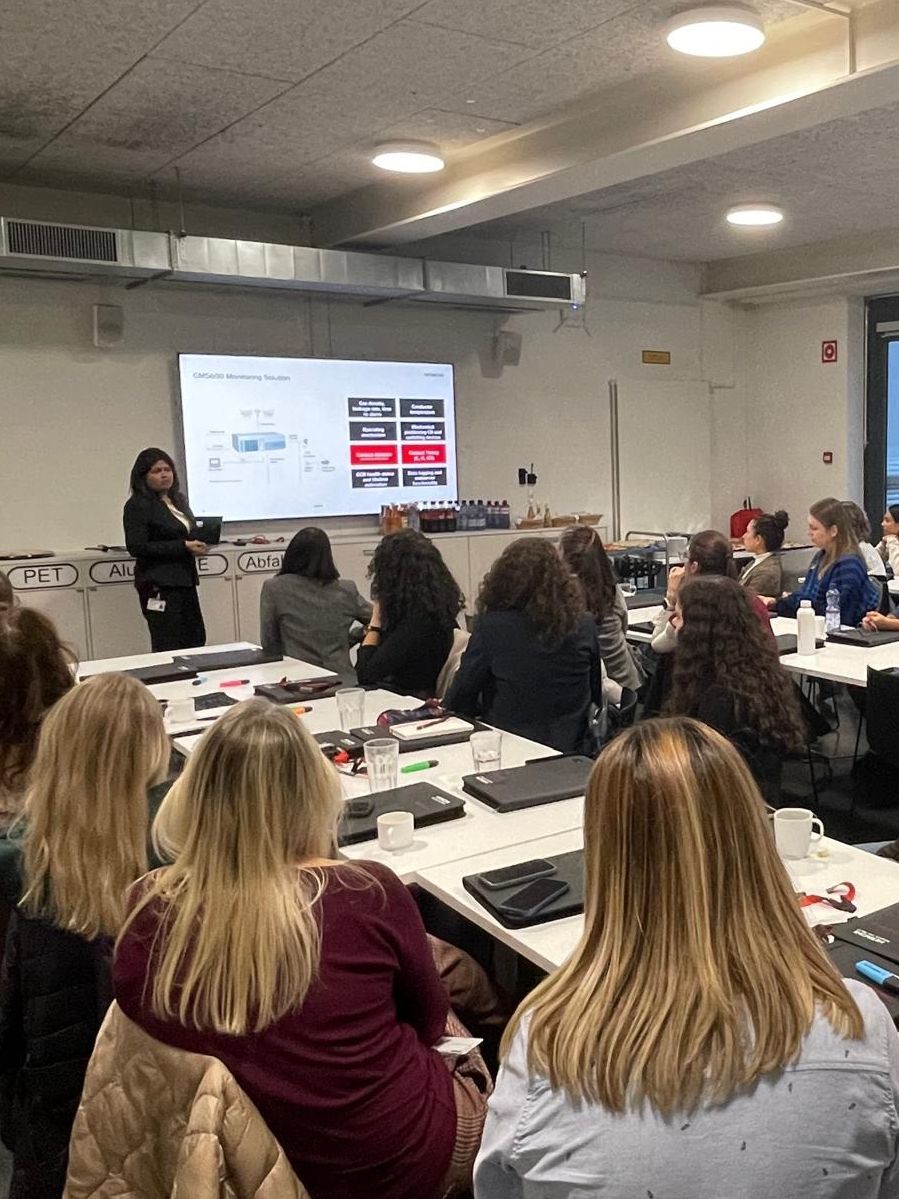
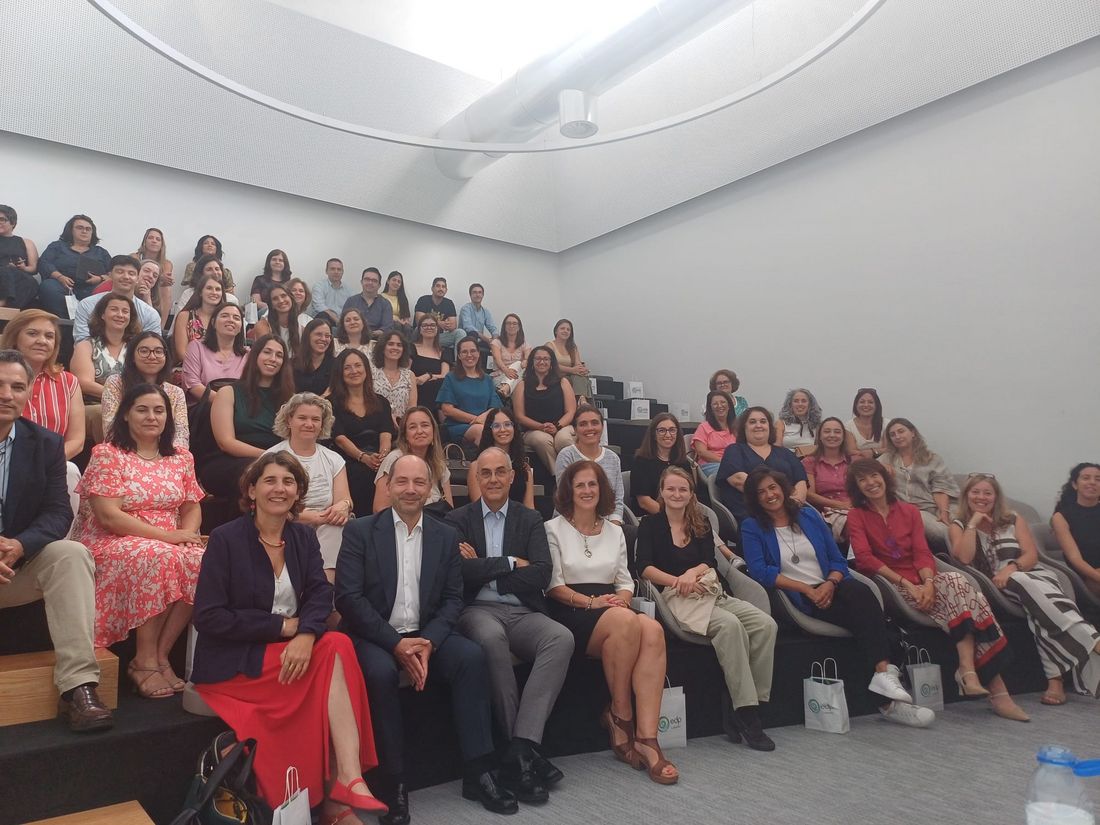
WiE Portugal represents CIGRE Portugal’s strategic commitment to increasing female participation in energy-related careers while supporting and empowering women already working across the sector. Guided by this mission, WiE Portugal hosted the "Women in STEM in the 21st Century" conference, kindly sponsored by EDP Labelec. Held on 26 June 2025, the event brought together leaders from the energy sector and representatives from academia to discuss the role of women in STEM, the challenges they continue to face, and the opportunities for fostering greater diversity and inclusion.
The conference featured three panel discussions:
- Female Representation in STEM
- Women in Technological Entrepreneurship
- Women in STEM – AI as a Driver of Inclusion
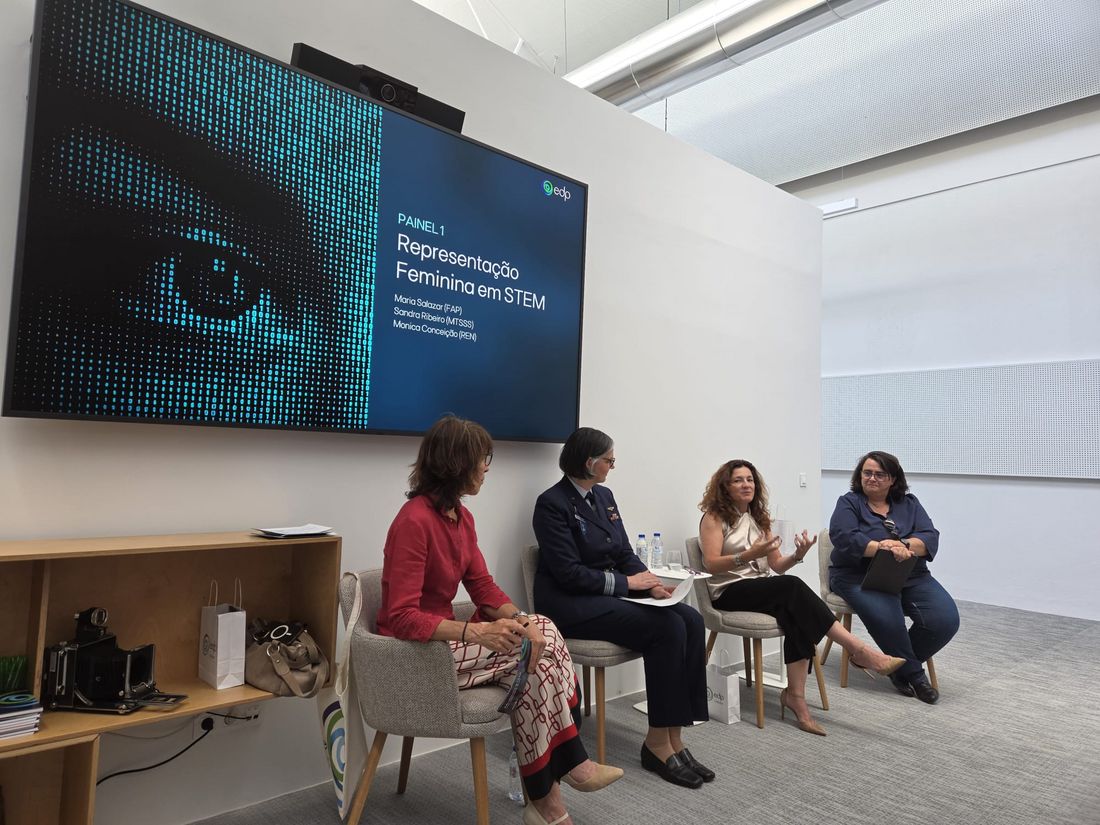
Panel 1: Female representation in STEM
The lack of female role models heavily impacts career decisions. This underrepresentation isn’t caused by a reduced participation of women in these areas, but rather by a historical tendency to overlook female figures. To shift this paradigm, it is essential to introduce concepts that dismantle sociocultural barriers at an early age, through educational policies.
Gender parity measures, namely quotas, remain a polarizing issue. While their relevance is recognized, it is crucial to maintain competence as the primary criterion. Furthermore, quotas are often less effective at erasing the deficit of female professionals in technical, operational, and technological areas than labour law reforms. For instance, improved maternity support has made the industry more appealing. This is particularly essential for fieldwork, where balancing career and family time is even harder. Ultimately, driving the promotion of women into leadership roles remains vital, as leadership diversification benefits all organizations.
Panel 2: Women in technological entrepreneurship
Only 10% of startups are founded by women, a disparity driven by sociocultural barriers and a difference in self-confidence, with women generally being more cautious. This scenario is worsened by gender bias in funding, resulting in a reduced access to capital. Women are often questioned more about risks and financial sustainability rather than profit potential. Consequently, only 12% of venture capital invested in startups is directed toward organizations led by women.
To reverse this trend, women must embrace risks and accept challenges. They should put their skills on display, to orient investment analysis towards results and profitability. Even though recent reports suggest that gender equality will only be attained in 123 years, the actual examples of the most successful start-ups show benefits in shared leadership, due to the complementarity of characteristics between male and female leaders.
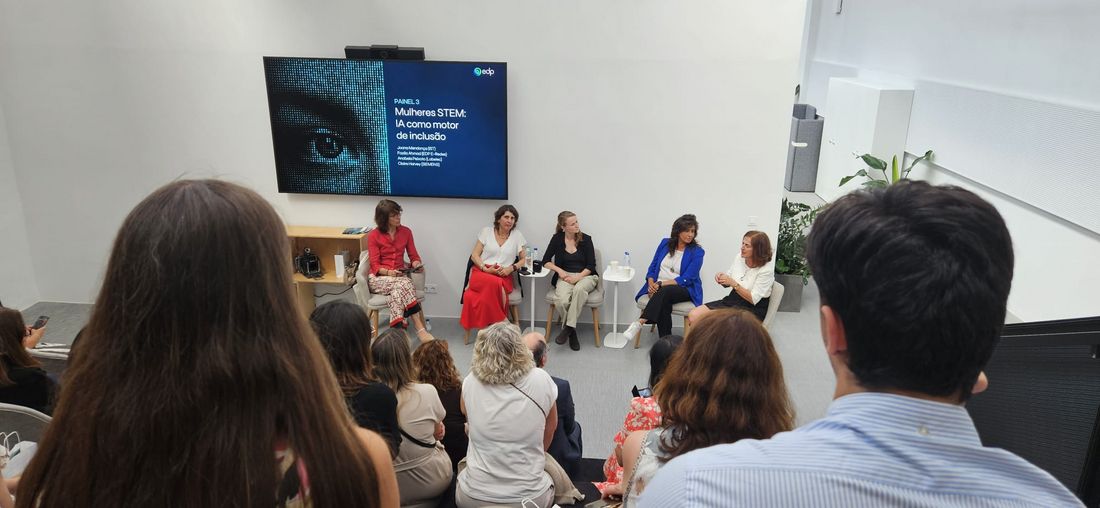
Panel 3: AI as a Driver of Inclusion
The way of working in engineering is always evolving, and the rapid advancement of artificial intelligence has significantly changed the workplace. While AI significantly reduces the time required to complete certain tasks, there are general risks associated with its overuse, such as a potential loss of creativity and communication skills. Critical thinking is crucial to navigate this new way of working.
Furthermore, it also aggravates inequality problems due to the reproduction of gender biases present in the databases, given that the programming field is male dominated. One example that demonstrates this disparity is that 90% of computer science students at University of Lisbon are male.
To mitigate these situations, it is essential to regulate AI by diversifying databases, creating laws against the spread of fake information, building plural development teams as well as expanding use of algorithms specifically designed to promote parity. In this way AI can work as a booster agent working towards inclusion and equality.
Conclusion
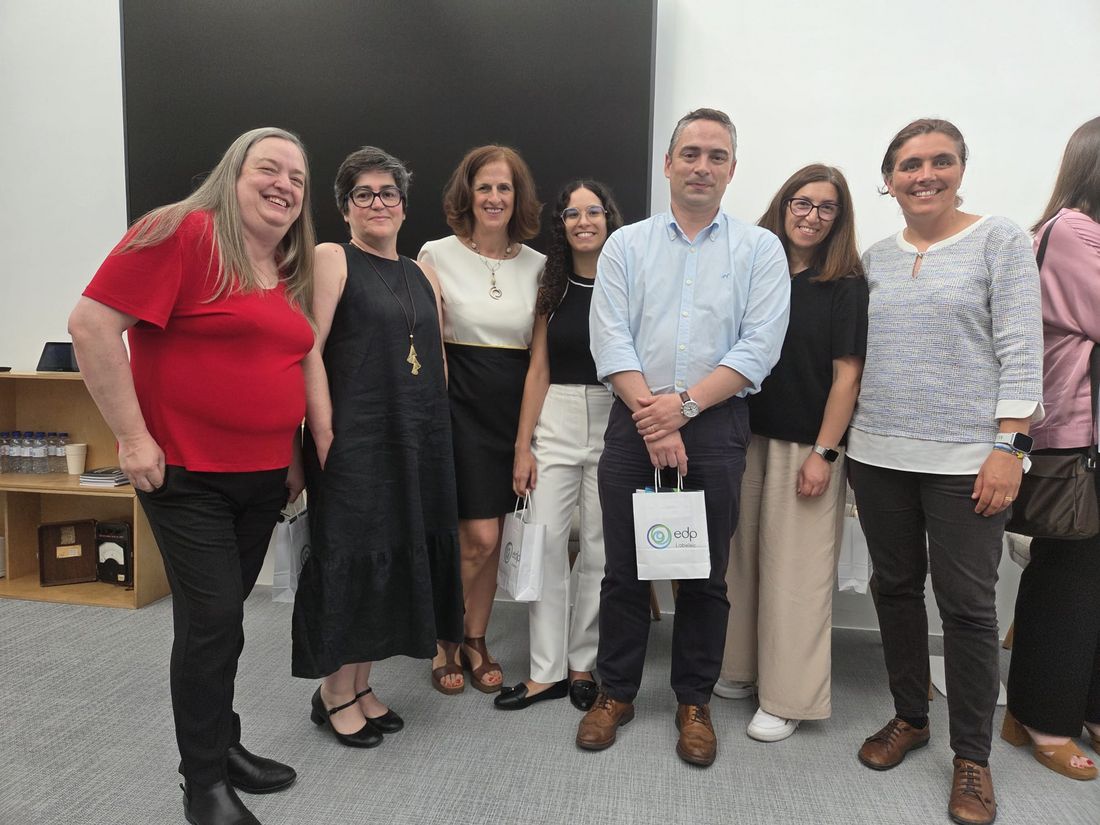
The event ended with a networking dinner bringing together academia and industry. It provided the ideal space to exchange contacts and extend debates in a more casual environment. The quality of insights and debates ensured the success of the conference, which yielded challenging conclusions: the future of Women in STEM, although challenging, will certainly be more inclusive. Achieving full equality in the energy sector requires a joint effort from corporate leaders, educational institutions, and policymakers to dismantle systemic barriers, ensure fair funding, and promote bias-free technology. With this conference, WiE Portugal created space to debate these issues, bringing them once more the attention they should receive and ultimately planting a seed for the more fare, fraternal, and equitable society we all desire.
Suggested content